

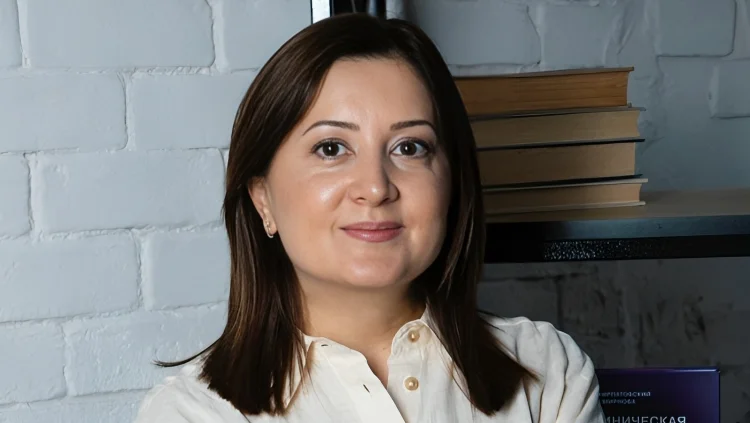
Heghine Khachatryan on The Blood Shortage The World Faces
Heghine Khachatryan, Editor-in-Chief of Hemostasis Today, Head of Hemophilia and Thrombosis Center at Yeolyan Hematology and Oncology Center, reposted from Tagreed Alkaltham on LinkedIn:
”The world is not facing a temporary blood shortage — this is a systemic and persistent challenge affecting healthcare every single day.
Blood saves lives, yet millions of patients face delays, rationing, or denial of care due to:
• weak blood systems,
• low regular donation rates,
• fragile infrastructure,
• poor planning and sustainability.
This is not a problem of geography.
It is a problem of systems, leadership, and commitment.
The solution is clear:
-regular voluntary donation
-public trust in blood services
-strong governance and data-driven planning
-investment in safe, resilient blood systems
Blood is not a resource you can manufacture — it depends on people and systems working together.”
Quorting Tagreed Alkaltham‘s post:
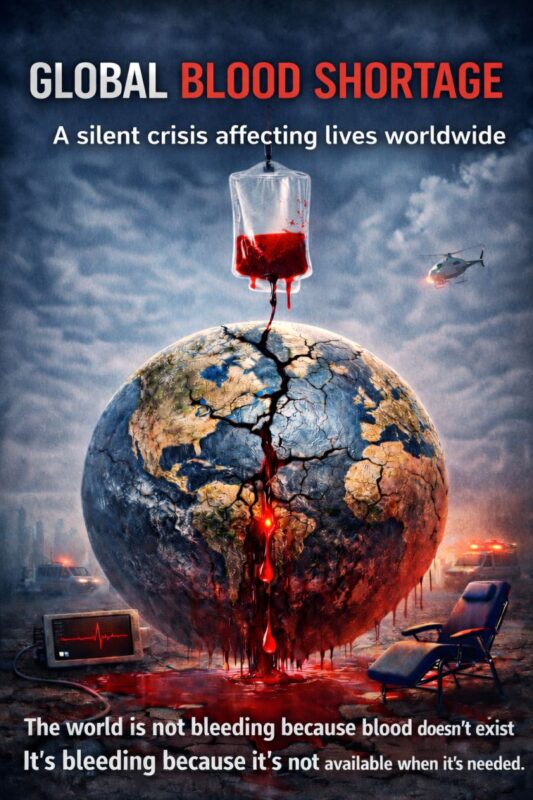
”The Global Blood Shortage: A Silent Crisis Affecting Healthcare Worldwide
The global blood shortage is not a temporary emergency.
It is a PERSISTENT worldwide challenge that affects healthcare systems every day often quietly, but with serious consequences.
What causes blood shortages
– It is poverty, limited funding.
– Weak Blood Banks leadership that fail to ensure its availability when lives depend on it.
– Reliance on voluntary non regular donors.
– Low public awareness and common misconceptions about blood donation.
– Crises such as pandemics, conflicts, and natural disasters.
– Increasing demand due to advanced medical care and more patients with cancer and chronic conditions require ongoing blood transfusions.
– Lack of proactive planning and effective inventory management.
– Weak infrastructure: Inadequate facilities for collecting, storing, and testing blood, especially in developing countries.
– Rare blood groups, certain blood types are very rare and depend on a limited group of donors from specific populations.
Which regions are most affected
– Low and middle income countries, where regular donation rates are low and blood bank infrastructure is limited.
– High income countries experience critical shortages during seasonal drops in donation, public health crises, periods of reduced community engagement and Inefficient blood bank management and suboptimal inventory planning.
Blood shortage is not a problem of geography, it is a problem of sustainability and systems.
Some suggested strategies needed to effectively reduce blood shortage
– Providing financial support and international aid to low income countries.
– Promoting regular, voluntary blood donation.
– Building public trust in blood banks by ensuring that the community believes blood donation is safe, meaningful, responsibly managed, and truly used to save patients’ lives.
– Investing in data driven inventory and demand forecasting systems.
– Strengthening governance and leadership in blood banks systems.
– Supporting and strengthening blood bank infrastructure, including collection, testing, and storage facilities.
– Regional and international collaboration for emergency blood sharing during crises.
– Capacity building and workforce training in low resource blood bank systems.
– Supporting research to extend blood shelf life and improve storage technologies.
– Integrating blood availability into global health security and emergency preparedness plans.
– Strengthening global governance, accountability, and sustainability of blood systems.
– Supporting and expanding Patient Blood Management (PBM) programs globally to reduce unnecessary transfusions and optimize blood use.
– Supporting research and innovation in artificial blood and blood substitutes to reduce long term dependence on donated blood.
Final thought:
When blood is not available on time, it is not a shortage of supply it is a loss of life.”
Stay updated with Hemostasis Today.
-
Sep 21, 2026, 04:06Allison Lewin: How Gender Shapes the Way We Receive Medical Care
-
Sep 21, 2026, 03:49Jessica Lee: Walking Together for a Stronger Bleeding Disorders Community
-
Sep 21, 2026, 03:36Syed Asif Ali Shah: From Pakistan to Australia – A Clinical Haematology Milestone
-
Sep 21, 2026, 03:22Katie Baca-Motes: Estradiol Fluctuations May Help Explain Menstrual Migraine
-
Sep 21, 2026, 03:00Family History Can Reveal Hidden Risk of Aortic Dissection – The Marfan Foundation
-
Sep 21, 2026, 02:47Transitioning from Paediatric to Adult Haemophilia Care – Haemophilia Foundation Australia
-
Sep 21, 2026, 02:29Diana Castro Paupério: A New Era for Patient Blood Management
-
Sep 21, 2026, 00:29Iheanyichukwu Ike: Childhood Anaemia in Nigeria Through an Analysis of the 2018 NDHS
-
Sep 21, 2026, 00:27Nicole De Vita: The Global Burden of Iron Deficiency and Anemia in Women at SABM