


Heghine Khachatryan: The Diagnostic Dilemma of Non-Criteria Obstetric APS
Heghine Khachatryan, Editor-in-Chief of Hemostasis Today, Head of Hemophilia and Thrombosis Center at Yeolyan Hematology and Oncology Center, shared a post on LinkedIn:
“ISTH 2026 | Women’s Health and Thrombosis
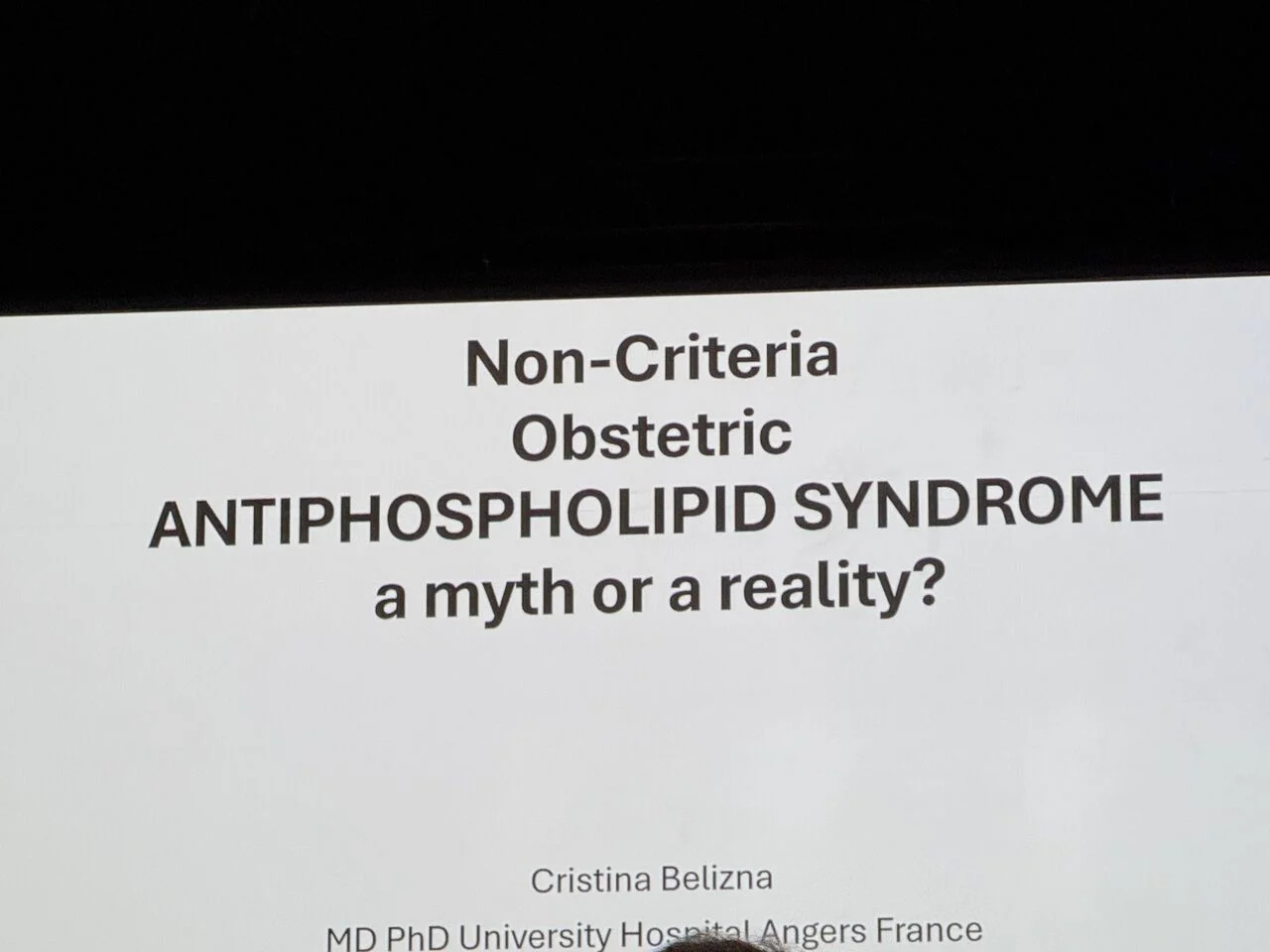
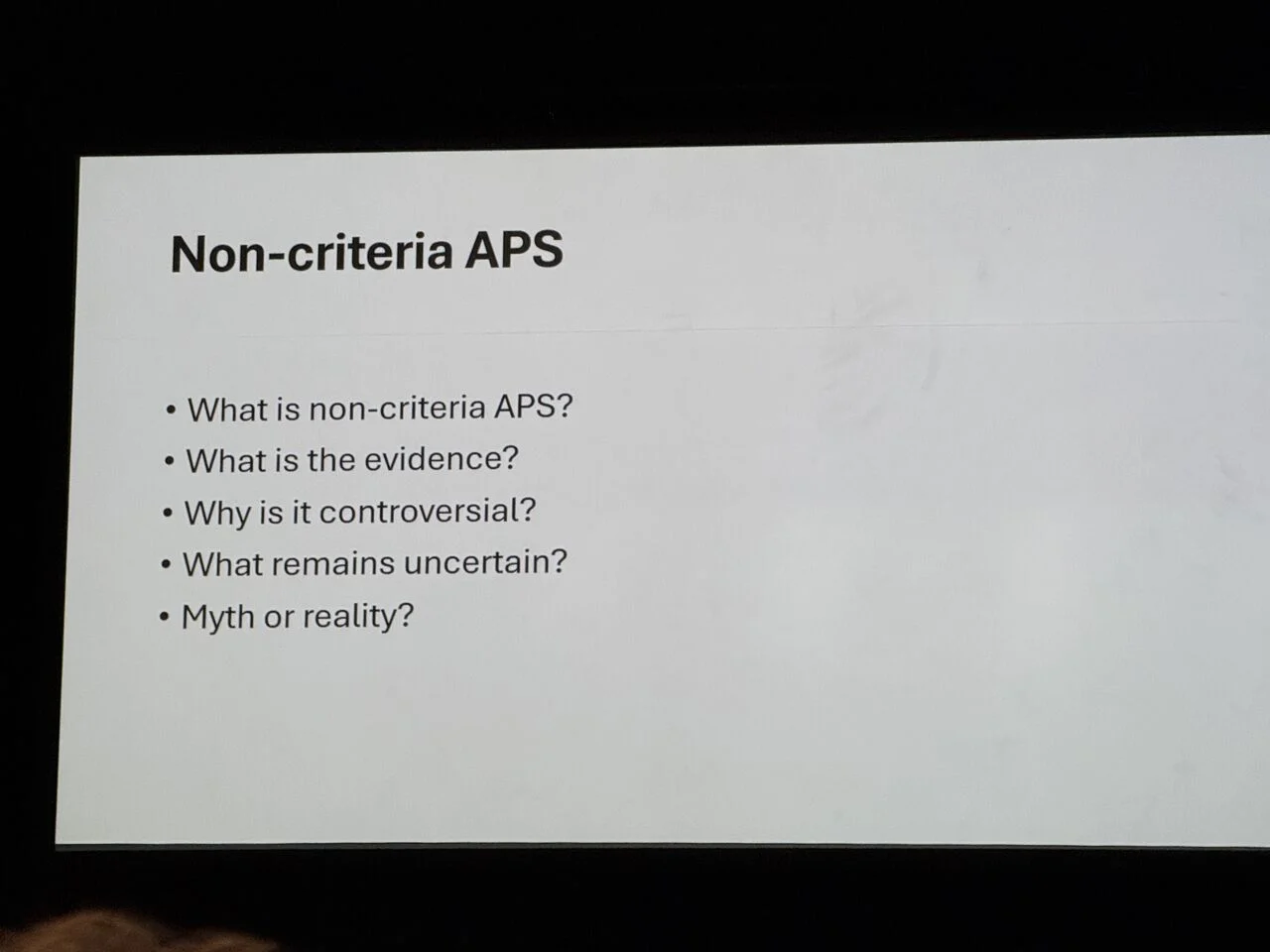
Beyond Classification: Is Non-Criteria Obstetric APS a Clinical Reality?
One of the most intellectually stimulating sessions at ISTH 2026 explored a question that continues to challenge clinicians worldwide: Does non-criteria obstetric antiphospholipid syndrome (NC-OAPS) truly exist, or is it simply a limitation of our current classification systems?
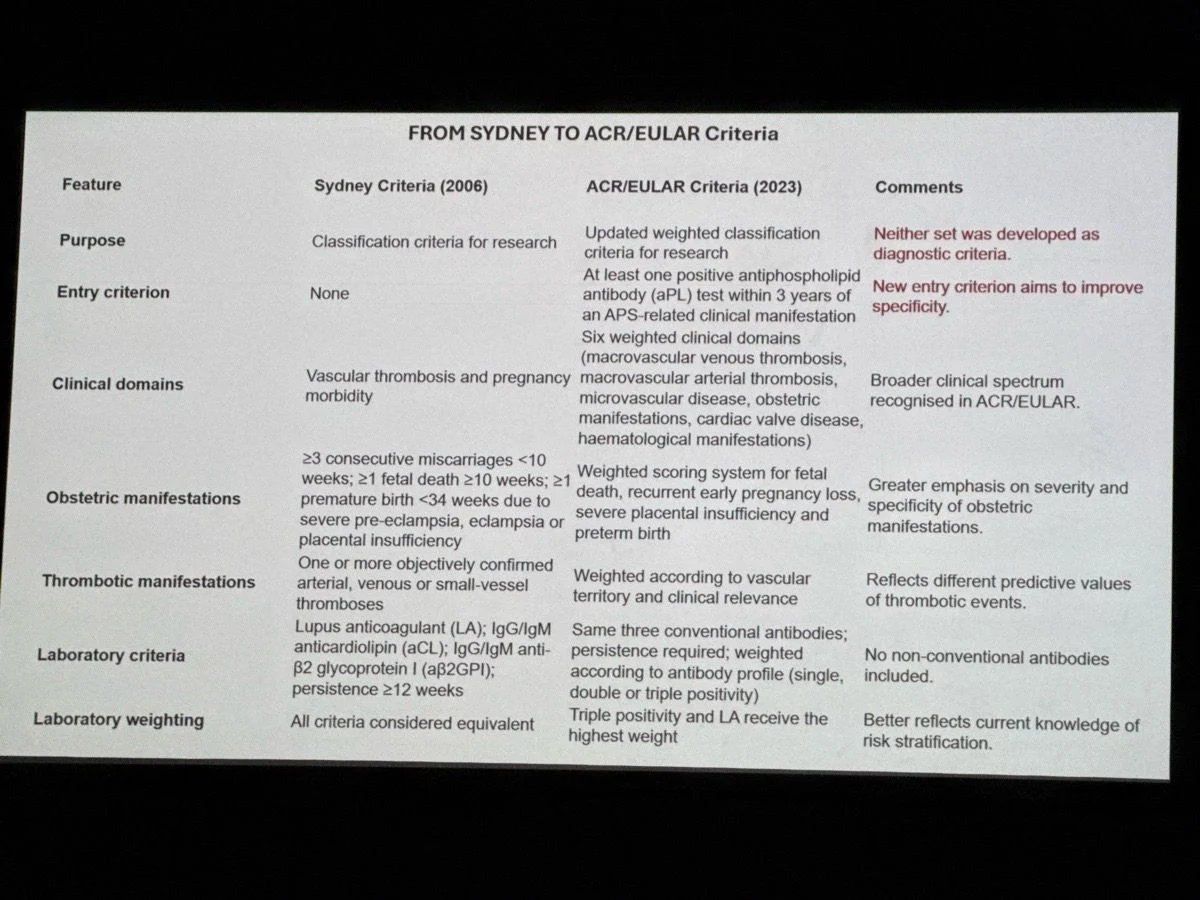
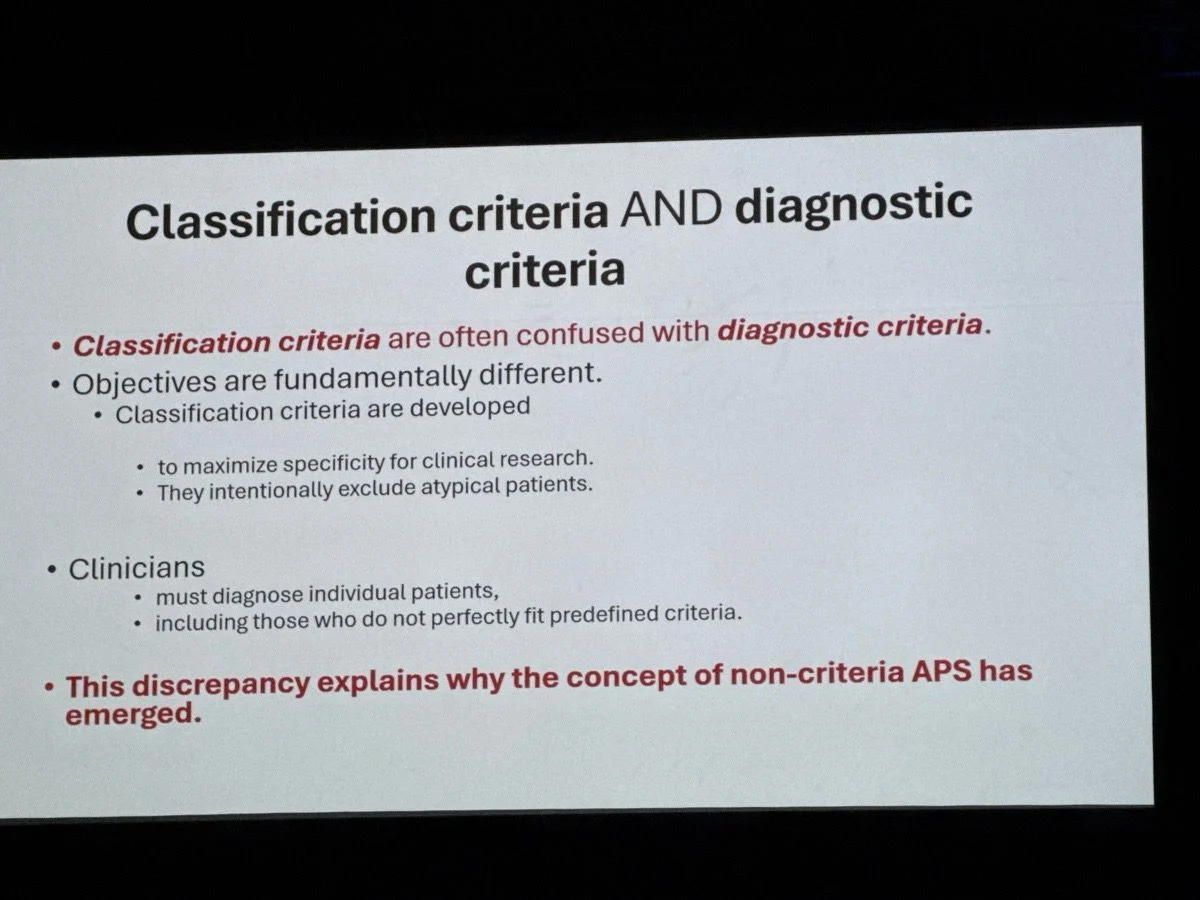
The presentation highlighted an essential distinction that every clinician should remember: classification criteria are not diagnostic criteria.
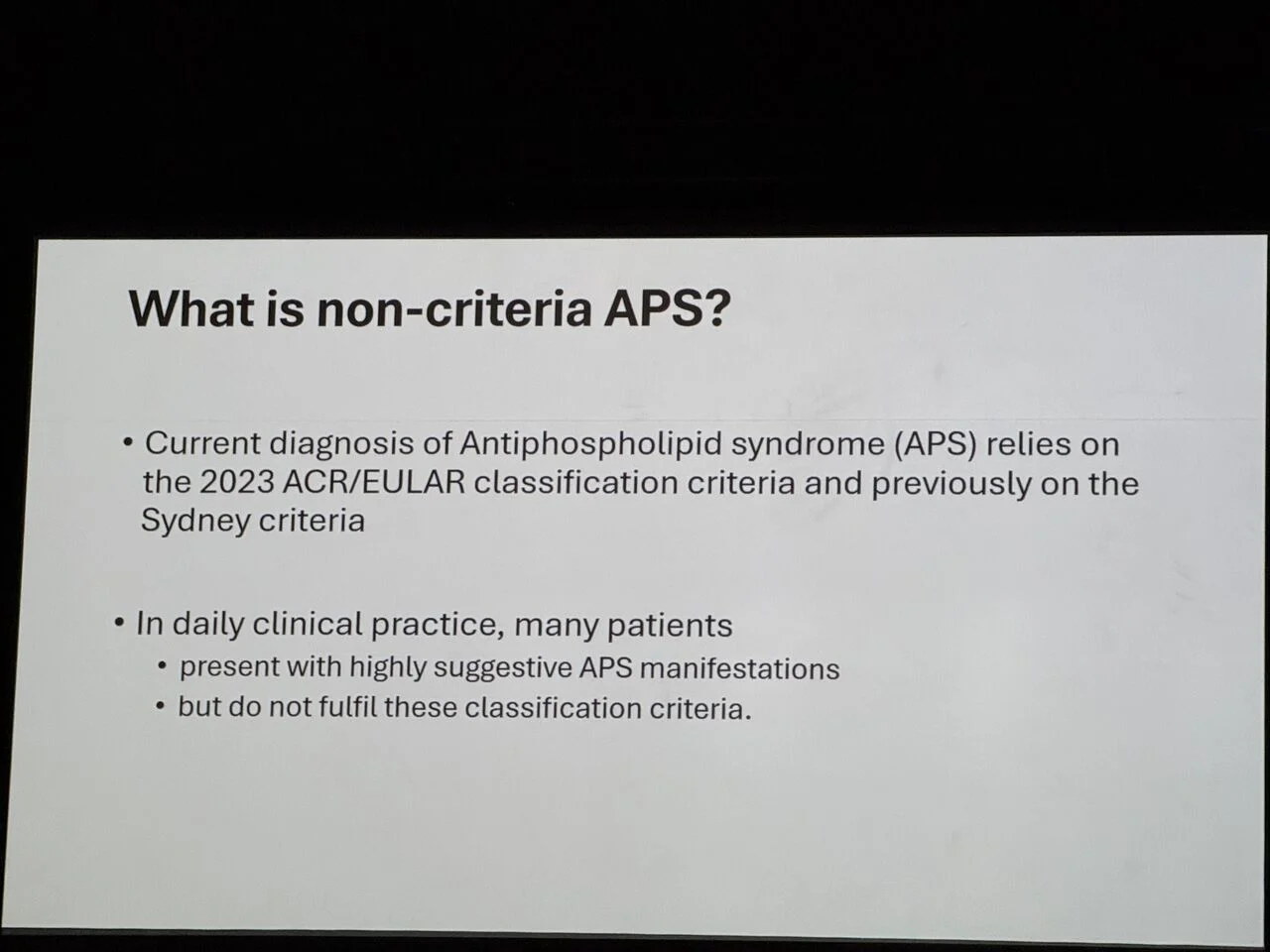
The current 2023 ACR/EULAR APS classification criteria were specifically designed to maximize specificity for clinical research—not to encompass every patient encountered in daily practice.
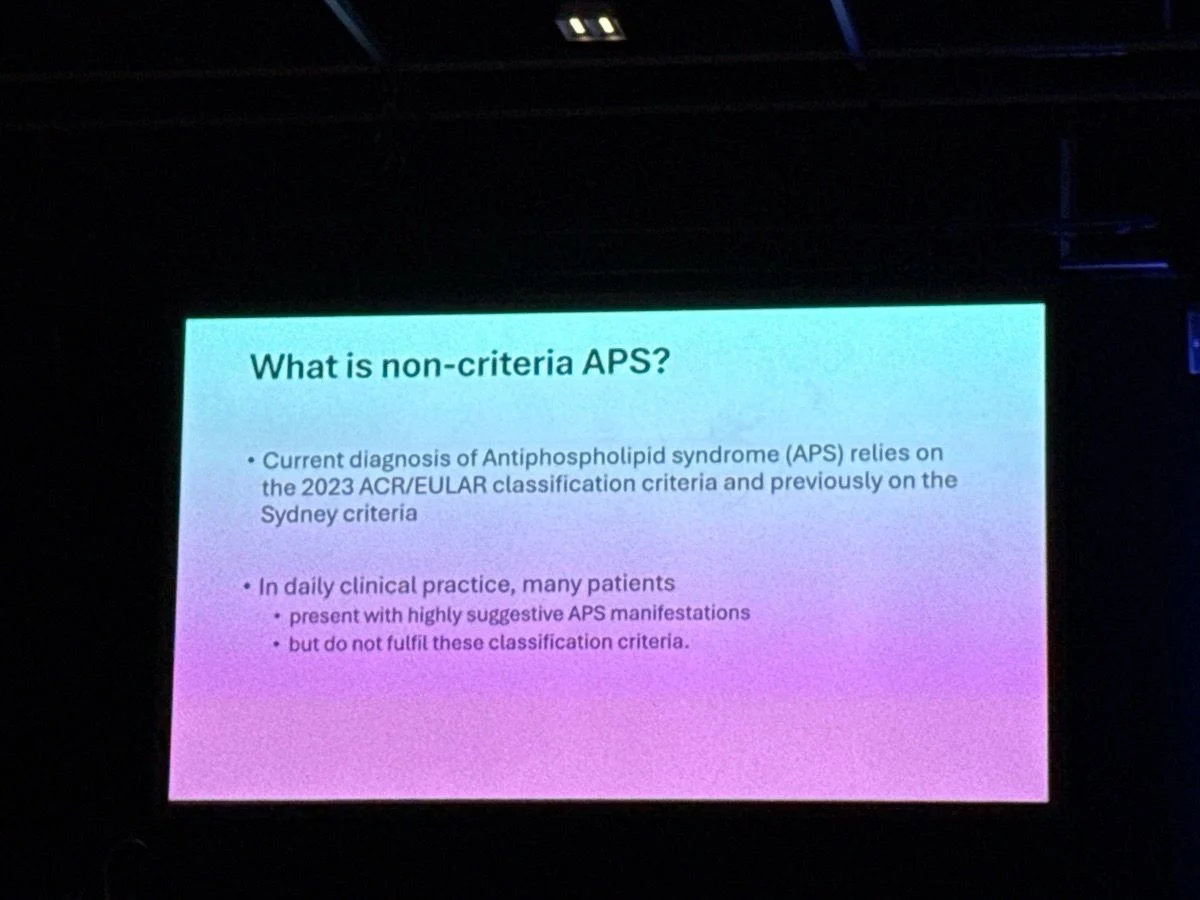
Consequently, some women present with highly suggestive obstetric manifestations of APS yet do not formally satisfy existing classification criteria.
Key messages from this session included:
- Classification and diagnosis serve different purposes. While research criteria aim to create homogeneous study populations, clinicians must diagnose and manage individual patients whose presentations may fall outside predefined definitions.
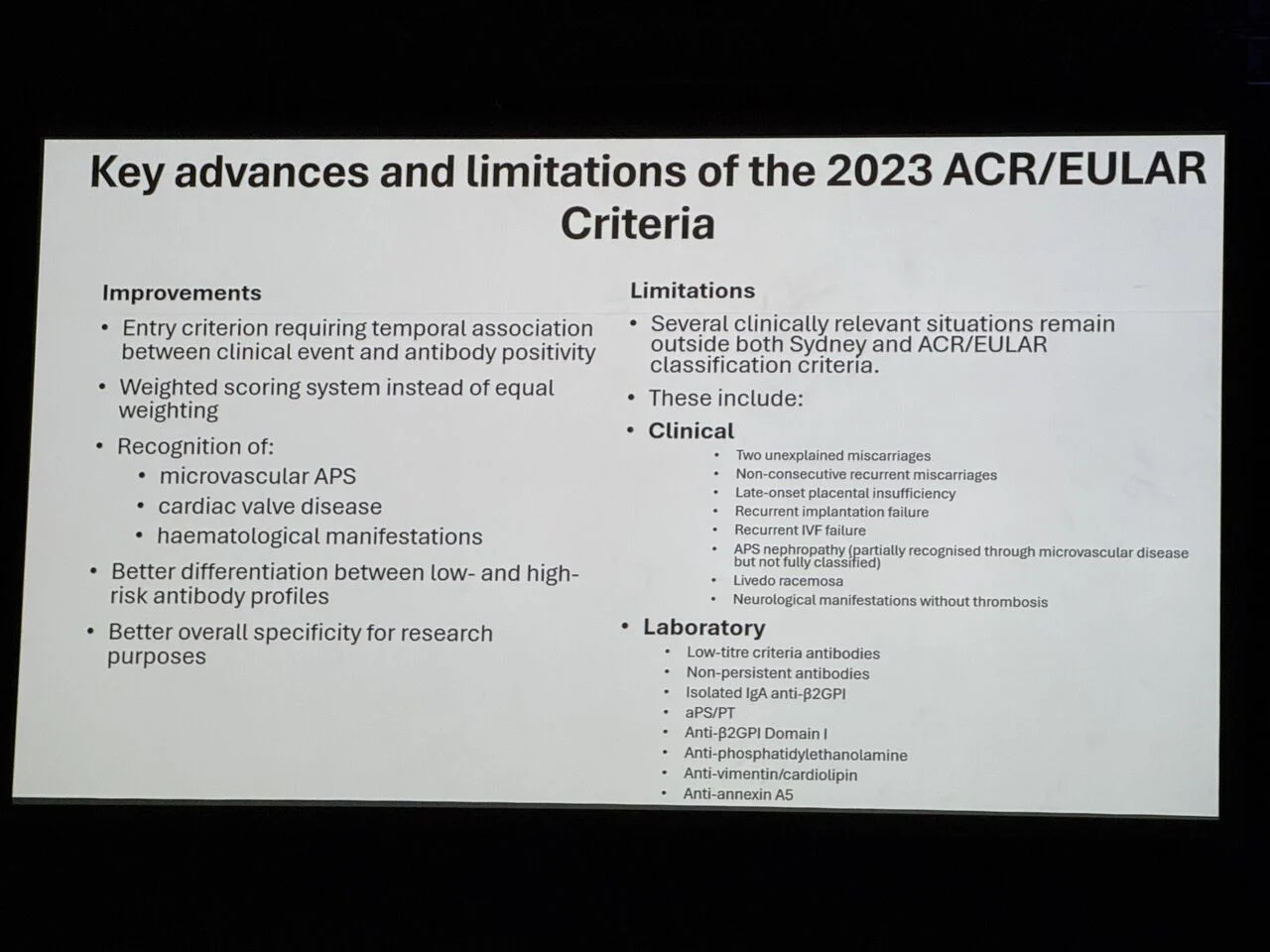
- The 2023 ACR/EULAR criteria represent an important advance, introducing weighted scoring, improved risk stratification, recognition of microvascular disease, hematologic manifestations, and cardiac valve involvement. Nevertheless, they remain classification tools rather than diagnostic algorithms.
- Several clinically relevant situations remain outside both the original Sydney and current ACR/EULAR criteria, including women with two unexplained miscarriages, non-consecutive recurrent pregnancy losses, recurrent implantation failure, recurrent IVF failure, late placental insufficiency, low-titer or non-persistent antiphospholipid antibodies, and selected non-criteria antibody profiles.
- At present, non-criteria APS has no universally accepted definition. Different studies apply different inclusion criteria, making direct comparison of outcomes and therapeutic strategies challenging.
Perhaps the most important conclusion from this lecture was that clinical judgment remains irreplaceable.
While standardized classification systems are indispensable for research, patient care must integrate clinical phenotype, laboratory findings, and individualized risk assessment rather than relying exclusively on classification scores.
As evidence continues to evolve, future refinements of APS definitions may better capture these patients who currently occupy the diagnostic ‘grey zone,’ ultimately leading to more personalized management strategies in obstetric medicine.”
Other posts featuring Heghine Khachatryan on Hemostasis Today.
-
Oct 16, 2026, 18:12Adil Nawaz: Extended Dual Antiplatelet Therapy After Coronary Stenting
-
Oct 16, 2026, 17:50Elad Asher։ STORM-PE Shows Functional Benefits of Thrombectomy
-
Oct 16, 2026, 17:32Shruthi Narayan: STORM-PE and STRIKE-PE Studies Advance Understanding of Recovery After Pulmonary Embolism
-
Oct 16, 2026, 17:22Wolfgang Miesbach։ What a Near-Perfect FISH Score Fails to See
-
Oct 16, 2026, 17:06Troels Wienecke: Connecting Myeloproliferative Disease and Ischemic Stroke
-
Oct 16, 2026, 17:03Only 5 Days Left to Submit Your Research for EAHAD 2027
-
Oct 16, 2026, 16:48Abdul Rahman: Reticulocyte Count and Bone Marrow Activity
-
Oct 16, 2026, 16:44DOAC Adherence in Stroke Patients With Atrial Fibrillation – International Journal of Stroke
-
Oct 16, 2026, 16:22Shannon Farmer: Driving Patient Blood Management Forward in Australia and New Zealand