

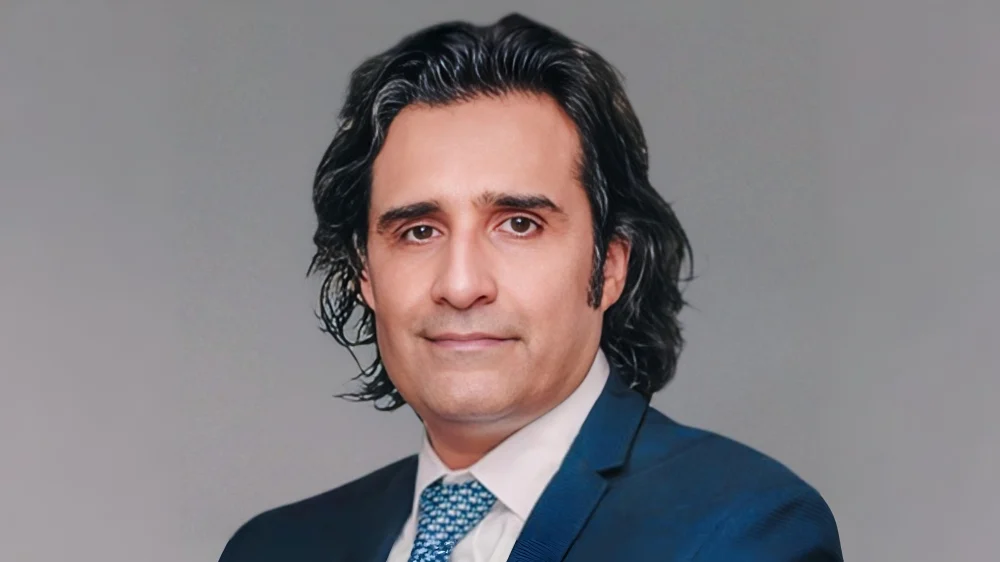
Hisam Siddiqi: A Helpful Clinical Framework for Understanding Eosinophilia
Hisam Siddiqi, Consultant Haematologist at LycaHealth, The Blackheath Hospital, Dartford and Gravesham NHS Trust, shared a post on LinkedIn:
“Understanding Eosinophilia: A Helpful Clinical Framework
Eosinophilia is a common yet often misunderstood finding in clinical practice.
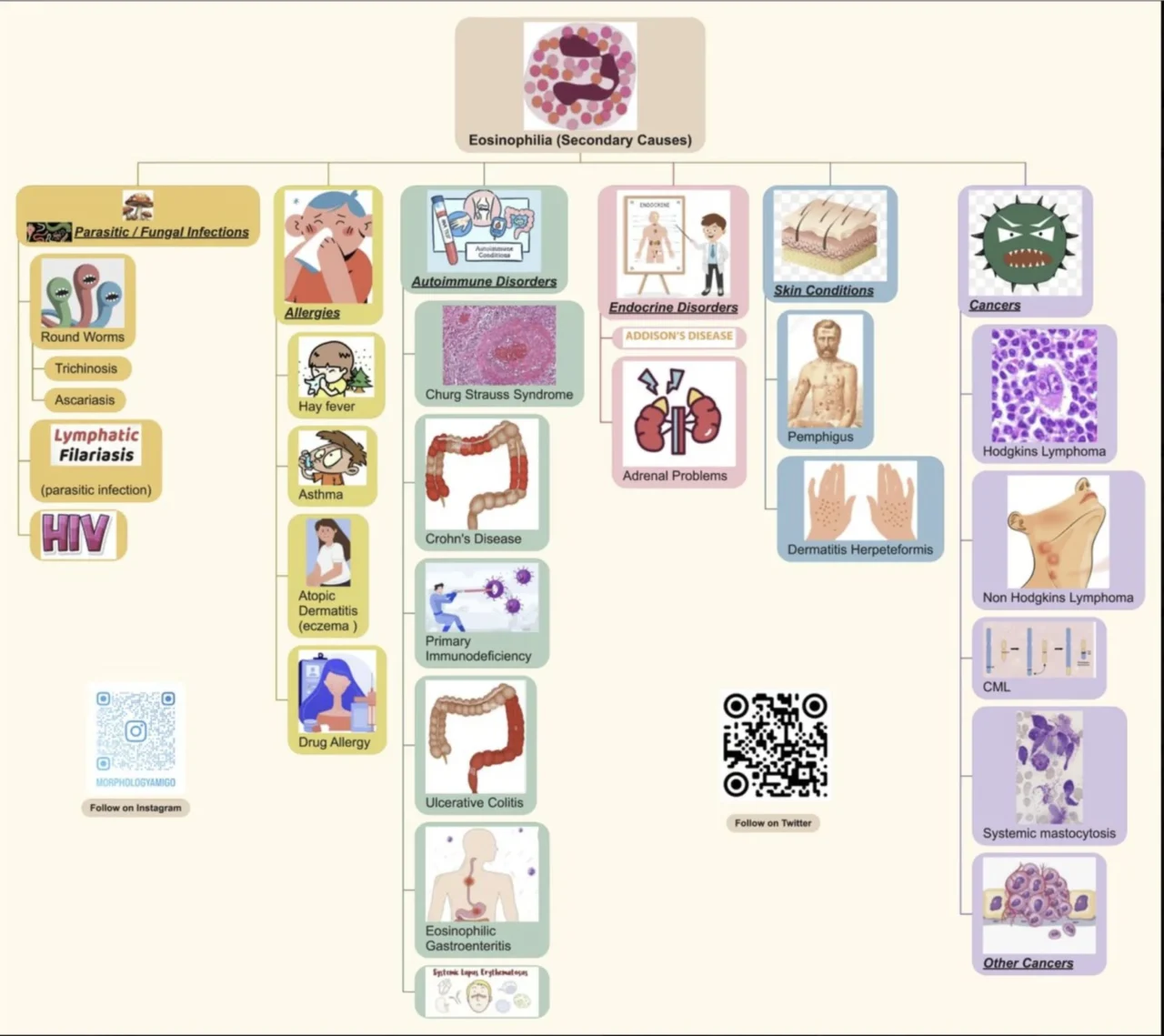
My infographic below beautifully summarises the secondary causes of eosinophilia, offering a clear way to organise our thinking when approaching patients with raised eosinophil counts.
From parasitic infections and allergic conditions, through to autoimmune disease, endocrine disorders, skin disease, and haematological malignancies, the differential is wide — and a structured approach is essential for timely diagnosis.
Key categories
- Parasitic and Fungal Infections
Examples include roundworm infections, trichinosis, ascariasis and other parasitic processes.
- Allergies
Hay fever, asthma, atopic dermatitis, and drug-related hypersensitivity reactions are frequent culprits.
- Autoimmune Disorders
Conditions such as eosinophilic gastrointestinal disorders, inflammatory bowel disease, and eosinophilic vasculitides appear in this group.
- Endocrine Disorders
Adrenal-related issues, including Addison’s disease, can also drive persistent eosinophilia.
- Skin Conditions
Several dermatological conditions are known associations and warrant consideration.
- Cancers
A reminder that eosinophilia may be associated with haematological disease such as Hodgkin and non-Hodgkin lymphoma, chronic myeloid processes, and systemic mast cell disorders.
Why it matters:
A systematic approach ensures we don’t miss reversible causes while also being vigilant for serious underlying disease.
This type of visual framework is a great tool for trainees and clinicians across specialties.
If you see eosinophilia — think broadly, investigate wisely, and always contextualize clinically.”
Stay updated with Hemostasis Today.
-
Sep 24, 2026, 18:43Hugh Nguyen: Honored to Accept the Friend of Singapore Red Cross Award
-
Sep 24, 2026, 18:42Titilope Fasipe: Proud to Support American Society of Hematology’s SCD Initiative
-
Sep 24, 2026, 18:34Ifeanyichukwu Ifechidere: Why Coagulation Samples Can Be “Too Valuable to Throw Away”?
-
Sep 24, 2026, 18:33Aswin K. Mohan: When a Superpower Hears the Call for Blood
-
Sep 24, 2026, 18:31Mercy Lung’aho: Anemia Is Not Only An Iron Problem
-
Sep 24, 2026, 18:29Nick Hanson: Before a Dementia Diagnosis Check Vitamin B12
-
Sep 24, 2026, 18:28Rachel McBryan: Nearly One in Five Older Canadians Has Low Vitamin B12
-
Sep 24, 2026, 18:27Kemal Karaagac: Early DOAC Initiation After Acute Ischaemic Stroke in Atrial Fibrillation
-
Sep 24, 2026, 18:26Mohammed A. AlOmar: What Characterizes Young Stroke in the UAE?