

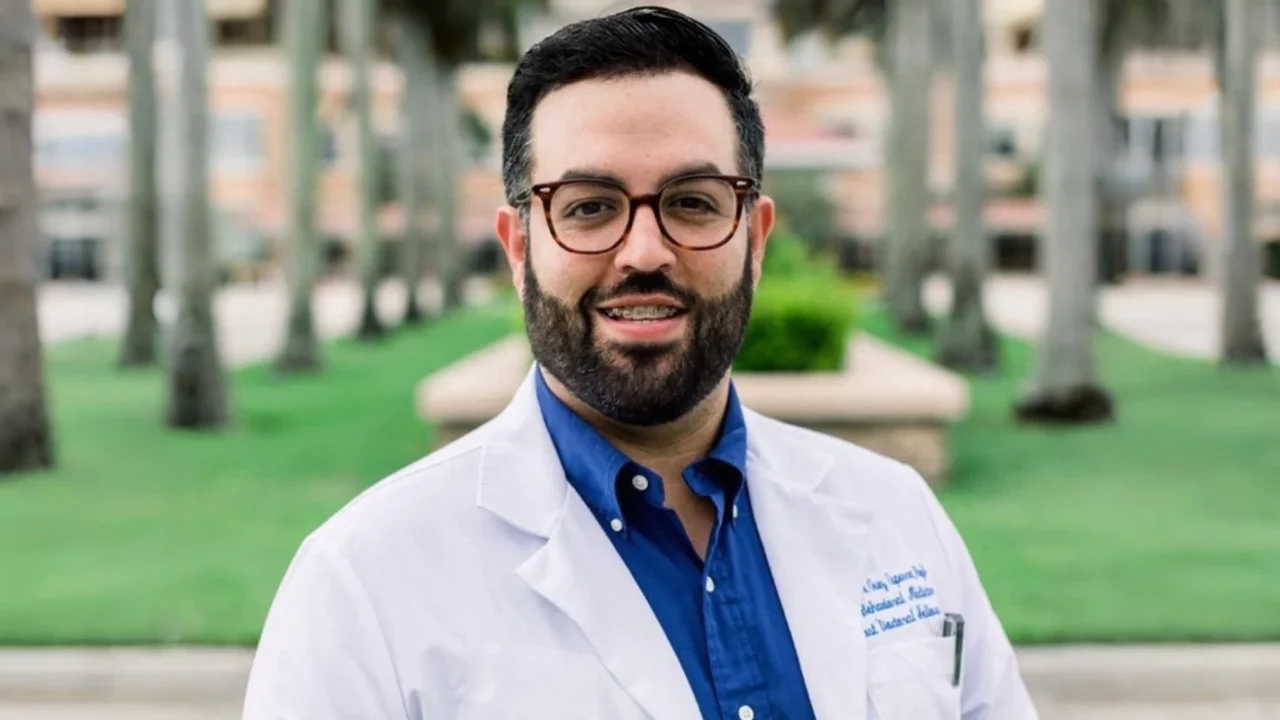
Humberto Cruz Esparra: Stroke Recovery Is More Than Regaining Function
Humberto Cruz Esparra, Behavioral Medicine Fellow at Medical University of South Carolina, shared on LinkedIn:
”A stroke does not only affect the brain it can profoundly impact a person’s emotions, identity, relationships, and hope for the future.
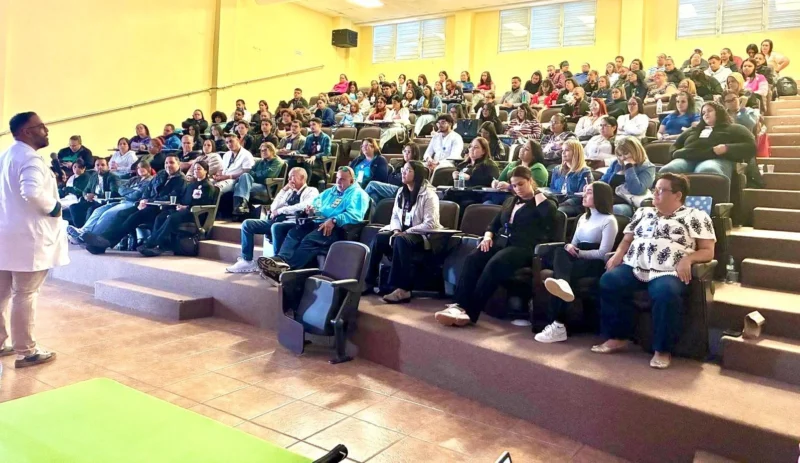
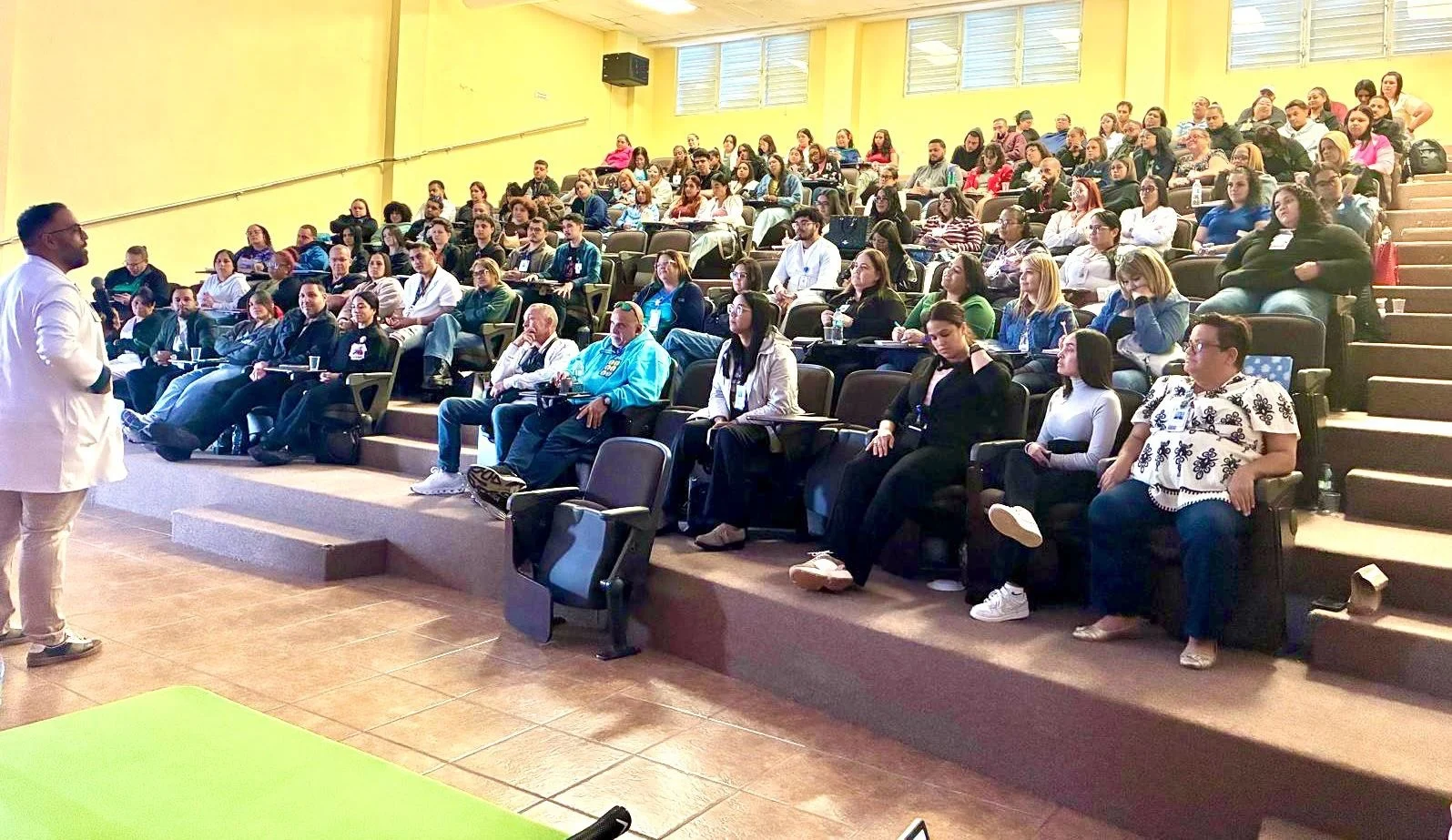
Today had the opportunity to discuss the emotional consequences of stroke with nursing professionals across the Mennonite Health System.
Depression, anxiety, grief and adjustment difficulties are common yet often underrecognized barriers to recovery.
Nurses play a critical role in this journey.
Through their daily interactions they are often the first to recognize emotional distress, provide support and help patients and families navigate the challenges that follow a life-changing diagnosis.
Because stroke recovery is about more than regaining function it’s about helping individuals rediscover confidence, purpose, and the belief that meaningful recovery is possible.”
Stay updated with Hemostasis Today.
-
Nov 16, 2026, 10:35Arisha Patel: Why a Normal Blood Count Can Miss Iron Deficiency
-
Nov 16, 2026, 10:29Maxime Dely: The Needle Behind Every Donation
-
Nov 16, 2026, 10:29Marilena Vrana: Building a Resilient Plasma Ecosystem in Europe
-
Nov 16, 2026, 10:24Hichem Selatna: Advancing Hematology Laboratory Automation
-
Nov 16, 2026, 10:20Erin Harris: CRISPR Gene Therapy in Children
-
Nov 16, 2026, 10:19Beverley Hunt: PE Knows No Age – Isaac’s Story
-
Nov 16, 2026, 10:08Abdul Mannan: When Normal Blood Counts Hide Iron Deficiency
-
Nov 16, 2026, 09:47Ankit Kumar: A Memorable Experience at Haematocon 2026
-
Nov 15, 2026, 23:44Pablo César Spada: Prevention of Venous Thromboembolism After Total Hip or Knee Replacement