

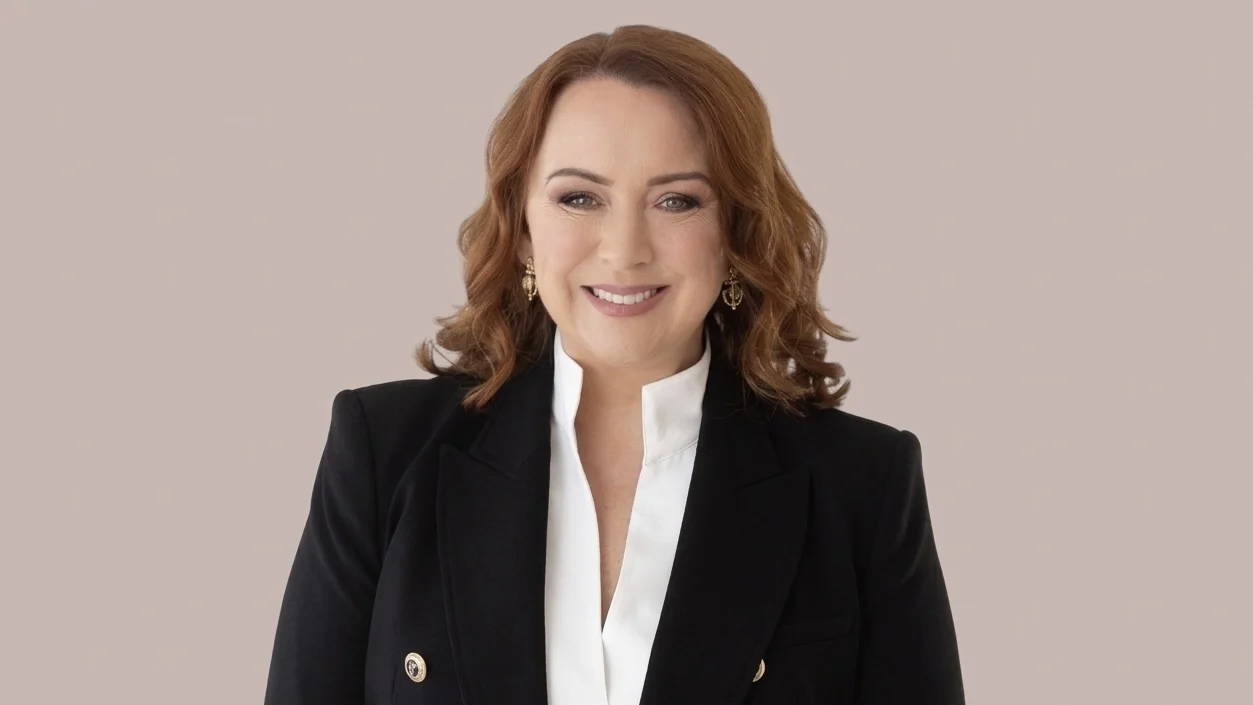
Jacqui McCallum: A Call to Action from the WSO 2025 Scientific Statement on Sex and Gender Differences in Stroke
Jacqui McCallum, Executive Director, Brand, Communications and Advocacy at the Stroke Foundation, shared on LinkedIn:
”Stroke is one of the biggest killers of Australian women. Yet it rarely features in conversations about women’s health.
Each year in Australia, more than 24,800 women experienced a stroke.
Today, almost 196,000 women are living with its long-term impacts.
And the inequities are real.
Women are more likely to be misdiagnosed or diagnosed later, delaying time-critical treatment.
They are under-represented in clinical trials, meaning evidence doesn’t always reflect women’s experience or needs.
And after stroke, women are more likely to experience poorer recovery, reduced independence and lower quality of life.
Some of this is driven by biology. Women face sex-specific risk factors linked to pregnancy, hormonal changes and menopause.
But many of the inequities are systemic.
For First Nations women, the inequities are even more pronounced.
The World Stroke Organization’s 2025 Scientific Statement calls for urgent action to address sex and gender differences in stroke risk, care and outcomes.
That means:
- Better recognition of women-specific stroke risk factors
- Gender-responsive prevention and treatment pathways
- Greater awareness among both the community and health professionals
- Stronger representation of women in stroke research
Stroke doesn’t treat men and women equally, and that difference could cost women their lives.
If we are serious about improving women’s health in Australia, stroke must be part of the national conversation and policy agenda.”
Stay updated with Hemostasis Today.
-
Sep 21, 2026, 15:56Anita Zaidi: Why Only 2% of Health Research and Development Goes to Women’s Conditions
-
Sep 21, 2026, 15:49Omid Khalafi: Gating Strategy and How Do We Decide Which Cells to Analyze
-
Sep 21, 2026, 15:44Levacetylleucine: A New Therapeutic Approach to Ataxia Telangiectasia
-
Sep 21, 2026, 15:40Andreas Tridimas: The Diagnostic Traps of Lipaemic Blood – Why a Normal Amylase Can Mislead You
-
Sep 21, 2026, 15:33Arsene Mekinian: Exploring Cardiac Involvement in Behçet’s Disease
-
Sep 21, 2026, 15:23Anis Mahjoubi: MRI Findings of Krukenberg Tumors
-
Sep 21, 2026, 15:08Fikreab Tesfaye Tefera: 10 Practical Take-Home Points for Diagnosing Iron Deficiency Anemia
-
Sep 21, 2026, 14:10Aswin K Mohan: Lessons from TRANSCON 2026 – Building Resilient Blood Supply Systems Before Crisis Hits
-
Sep 21, 2026, 14:00Vincent Lu: Beyond PT and aPTT – How Hemostasis Evolves Across a Lifetime