

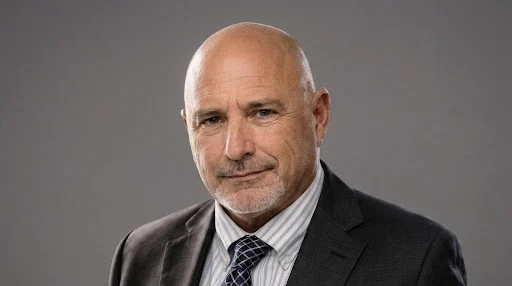
Jeff Parke: Why We Are Losing Viable Kidneys in Transit
Jeff Parke, Co-Founder of Cold Ischemia Foundation, shared a post on LinkedIn:
“There is a verse in Matthew that has never left me since my diagnosis. The axe is laid unto the root of the trees.
Not the branches. Not the leaves.
The root. Every tree that does not bring forth good fruit is cut down.
I think about that verse every time I watch another advocacy organization board a plane to Washington, plant a flag on Capitol Hill, snap a photo in front of a marble building, and call it a fight.
I have spent years reading the transplant literature nobody wants to read. I have studied cold ischemia until I understood it better than some of the clinicians managing it.
I have learned what happens to an organ in the minutes and hours between recovery and transplant, what oxygenated preservation can do that static cold storage cannot, what a BHOC – Biological Hemoglobin Oxygen Carrier actually means for a kidney sitting in a cooler on a tarmac somewhere over Ohio.
This is the root. This is where organs die before they ever reach the patient waiting for them. This is where the real war is being lost, in silence, without a hashtag.
And yet I watch National Kidney Foundation Dialysis Patient Citizens and NephCure make their pilgrimage to Washington year after year, waving banners about access and voice, and I ask myself: access to what, exactly, if the organ never arrives viable?
A voice that has never once said the words organ preservation technology, never once asked a congressional staffer why BHOC research remains underfunded, is not a voice.
It is an echo.
It is branch work.
It is leaf work.
It does not touch the root, and a tree that does not touch the root does not bear fruit, no matter how loud it rustles in the wind.
I do not say this from an ivory tower. I say it as a patient who nearly lost everything and refused to let ignorance be my legacy. I read the OPTN board minutes. I read the Centers for Medicare and Medicaid Services rule changes.
I read the studies on preservation solution chemistry that most advocates would not recognize if it was placed directly in front of them. Ninety percent of the advocacy world is content to repost, retweet, and rebrand.
They mistake visibility for depth and volume for value. Meanwhile, the organs keep degrading in transit, and nobody in the room asking for photo ops even knows the mechanism of the harm.
The only question left is whether the advocacy community wakes up and starts asking the hard questions about organ recovery, preservation, and oxygenated transport, or if it will keep admiring its own leaves while the root dies underneath – Michael / Christina Gilchrist Alexander Berrios Dawn P. Edwards”
Stay updated with Hemostasis Today.
-
Sep 18, 2026, 06:48Gopal Patidar: Honoured to Contribute to the ASFA 2026 Guidelines for Therapeutic Apheresis
-
Sep 18, 2026, 05:48Julie Taylor: Navigating Tech Glitches to Deliver Engaging BBTS Presentation
-
Sep 18, 2026, 05:42Emma Copperwaite: BBTS Conference Presentation Highlights Power of Peer Support and Pushing Past Fear
-
Sep 18, 2026, 05:34Suhasini Sil: RGSSH Joins Mega Blood Donation Camp at Thyagaraj Stadium
-
Sep 18, 2026, 05:25Lisa Laun: Spleen Clears Activated Platelets to Limit Thrombosis and Inflammation
-
Sep 18, 2026, 05:16Louise St. Germain Bannon: ISTH Advocates for Enhanced Patient Safety in Blood Disorder Care
-
Sep 18, 2026, 05:08Vikas Veer: Exploring Sickle Cell Anemia at the Molecular Level
-
Sep 18, 2026, 01:35Matthew Hazell: From Platelet Refractoriness to Protecting Transplanted Organs
-
Sep 18, 2026, 01:23Apple Joy A. Valenzuela: Exploring How Neutrophil Develops from the Myeloblast to the Mature Segmented Neutrophil