

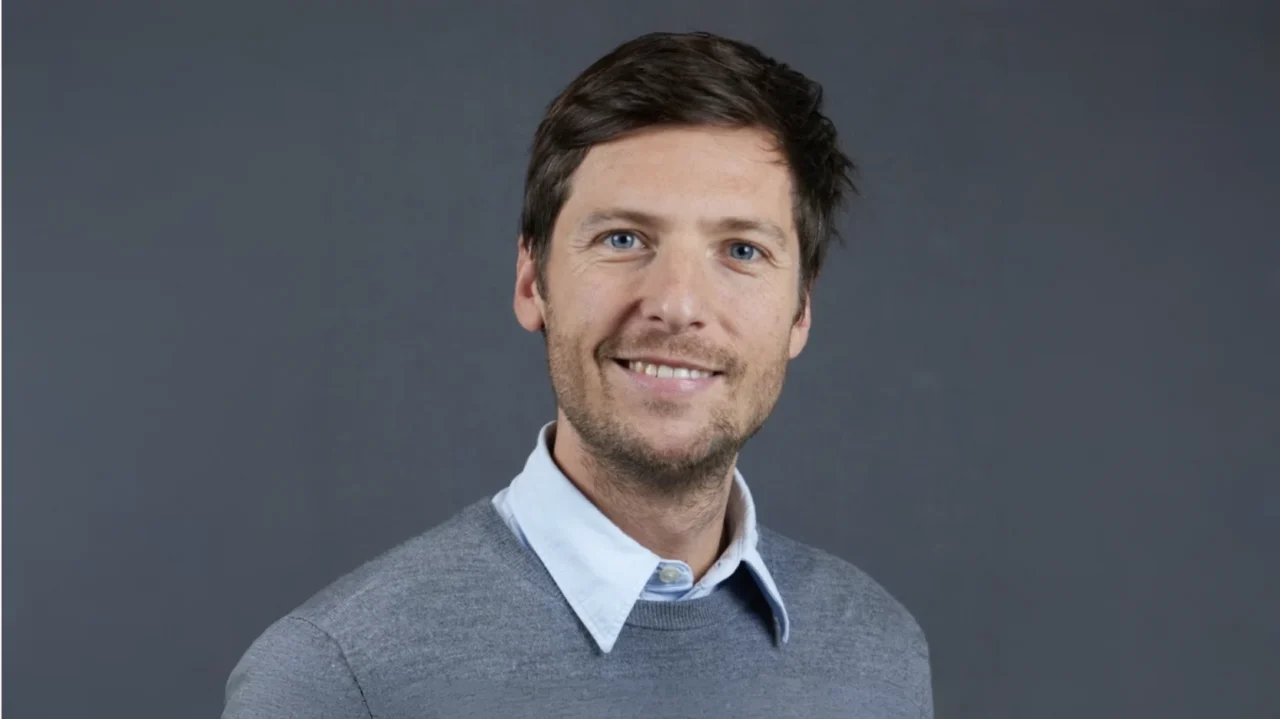
Marc Scherlinger: Uncovering the Immuno-Inflammatory Functions of Platelets at EULAR 2026
Marc Scherlinger, Head of Clinic – INSERM Bettencourt, Rheumatology, Strasbourg University Hospital, shared on LinkedIn:
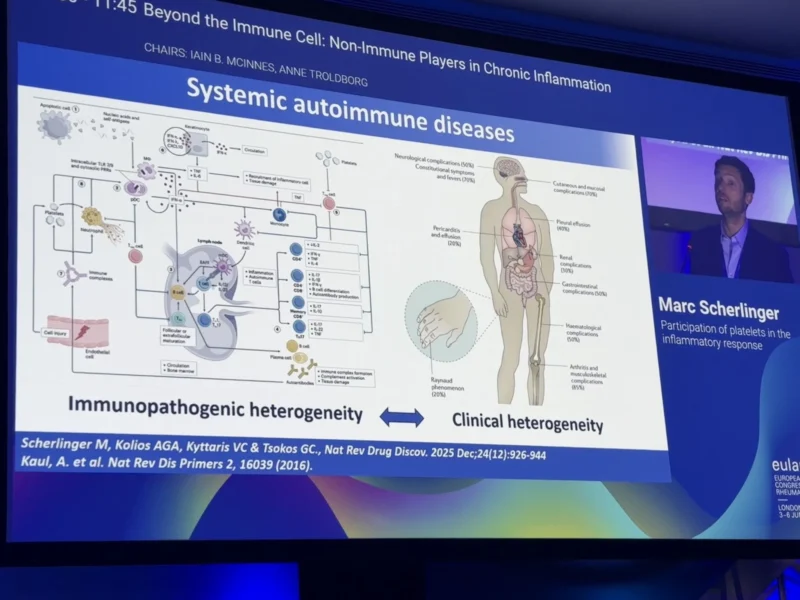
”Today, I had the honour of presenting an update on the role of blood platelets in autoimmune and inflammatory diseases at the European Congress of EULAR – European Alliance of Associations for Rheumatology.
For a long time, platelets were considered only as actors in hemostasis, but now appear to be major players in inflammation.
In these pathologies, they contribute in particular to the link between chronic inflammation and the increase in cardiovascular and thrombotic risk.
Our work, supported by FOREUM – Foundation for Research in Rheumatology and Inserm, sheds light on these immuno-inflammatory functions of platelets and paves the way for new therapeutic approaches to improve the management of patients with chronic inflammatory diseases, such as systemic lupus.
A big thank you to the organizers, including Professor Christophe Richez for this opportunity for scientific exchange around these clinical and translational issues.”
Stay updated with Hemostasis Today.
-
Sep 10, 2026, 16:53Flora Peyvandi: A New Approach to Coagulation with Bispecific Antibodies
-
Sep 10, 2026, 16:52Francisco Chacón-Lozsán: Perhaps We Are Treating ‘Sepsis’ When We Should Be Treating an Immune Phenotype
-
Sep 10, 2026, 16:46Aswin K Mohan: HLA Beyond Histocompatibility – Redefining Immune Recognition in Modern Medicine
-
Sep 10, 2026, 16:40Satyam Arora: Pediatric Apheresis – When Every Millilitre Matters
-
Sep 10, 2026, 16:39Marco Moscarelli: When CT Reveals Thrombosis After TAVI
-
Sep 10, 2026, 16:23Antonio Paul: When a Low Platelet Count Does Not Mean Weak Clotting
-
Sep 10, 2026, 16:12Balancing Thrombosis and Bleeding in Antiphospholipid Syndrome
-
Sep 10, 2026, 16:07Miguel Teran: Why ROTEM Will Redefine Major Bleeding Management
-
Sep 10, 2026, 16:04Isaac Okello: Where Skyline Meets Savannah – Quiet Moments at GASCDO in Nairobi