

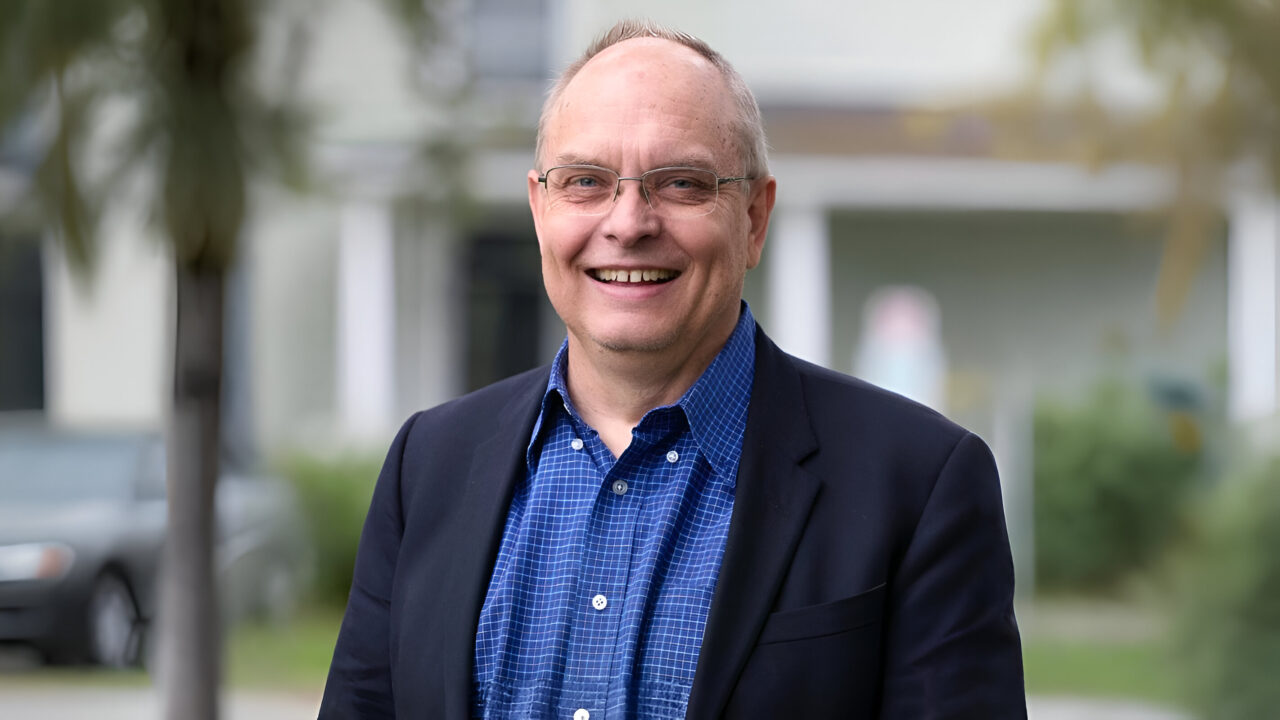
Mark Crowther: Why Leaders Must Model What They Expect
Mark Crowther, Distinguished University Professor and Chair, Department of Medicine at McMaster University, shared on LinkedIn:
”Excellence Is Contagious: Why Leaders Must Model What They Expect
In recent weeks, I’ve written about making difficult decisions and then intentionally rebuilding culture.
This week, I want to focus on a quieter but more powerful lever: leadership by example.
In academic and professional environments, formal levers only go so far. What sustains excellence over time is example.
People pay close attention to what leaders prioritize, how they allocate their time, and what behaviours they reinforce.
They also listen carefully—often more carefully than we realize—to every word leaders utter (An informative lesson I have learned a few times over my career).
Casual remarks can become cultural signals. Offhand comments can unintentionally lower standards. For that reason, leadership language must be deliberate and guarded.
Research on social learning theory demonstrates that behaviour spreads through observation and reinforcement.
Similarly, studies of high-performing teams show that recognition of desired behaviours strengthens norms far more effectively than criticism alone.
When leaders publicly acknowledge thoughtful teaching, meticulous scholarship, generous mentorship, or effective teamwork, those behaviours become visible markers of what the organization truly values.
Non-economic incentives matter deeply in professional settings.
Autonomy, visibility, opportunities for growth, meaningful roles, authorship, leadership opportunities, and simple public recognition all reinforce standards.
When aligned with mission, these incentives cultivate intrinsic motivation rather than compliance.
Excellence is rarely imposed. It is cultivated. Leaders shape it through what they model, what they celebrate, and what they say—carefully and consistently.
Over time, those signals become culture.”

Stay updated with Hemostasis Today.
-
Oct 9, 2026, 11:06Nobles Green: How siRNA Therapy Helps the Body Form Stronger Clots
-
Oct 9, 2026, 10:53Switching From Emicizumab to Denecimig in Hemophilia A – Rare Disease Advisor
-
Oct 9, 2026, 10:40What New U.S. Data Reveal About GT – Glanzmann’s Research Foundation
-
Oct 9, 2026, 10:32Anjali Pandey: The Morphologic Clues to MDS With del(5q)
-
Oct 9, 2026, 10:13Reza Shojaei: 5 Leadership Responsibilities for a Sustainable Plasma Ecosystem
-
Oct 9, 2026, 08:38Johannes Gratz: Perioperative Care in Factor VII Deficiency – Treating the Patient, Not the Number
-
Oct 9, 2026, 08:28Ghanim Fajish: Vascular Cells May Retain a Prothrombotic Memory of Oxidative Stress
-
Oct 9, 2026, 07:43Mehmet Cilingiroglu: The First Diagnosis of Coronary Thrombosis in a Living Patient
-
Oct 9, 2026, 07:21Federico Ravaioli: 40 kPa Spleen Stiffness May Help Avoid Endoscopy in Chronic PVT