


Maxime Dely: Better Collection, Better Blood – The Quality Starts Now
Maxime Dely, Therapeutic Solutions Sales Consultant at Terumo Blood and Cell Technologies, shared a post on LinkedIn:
“Better collection, Better blood – The quality starts now!
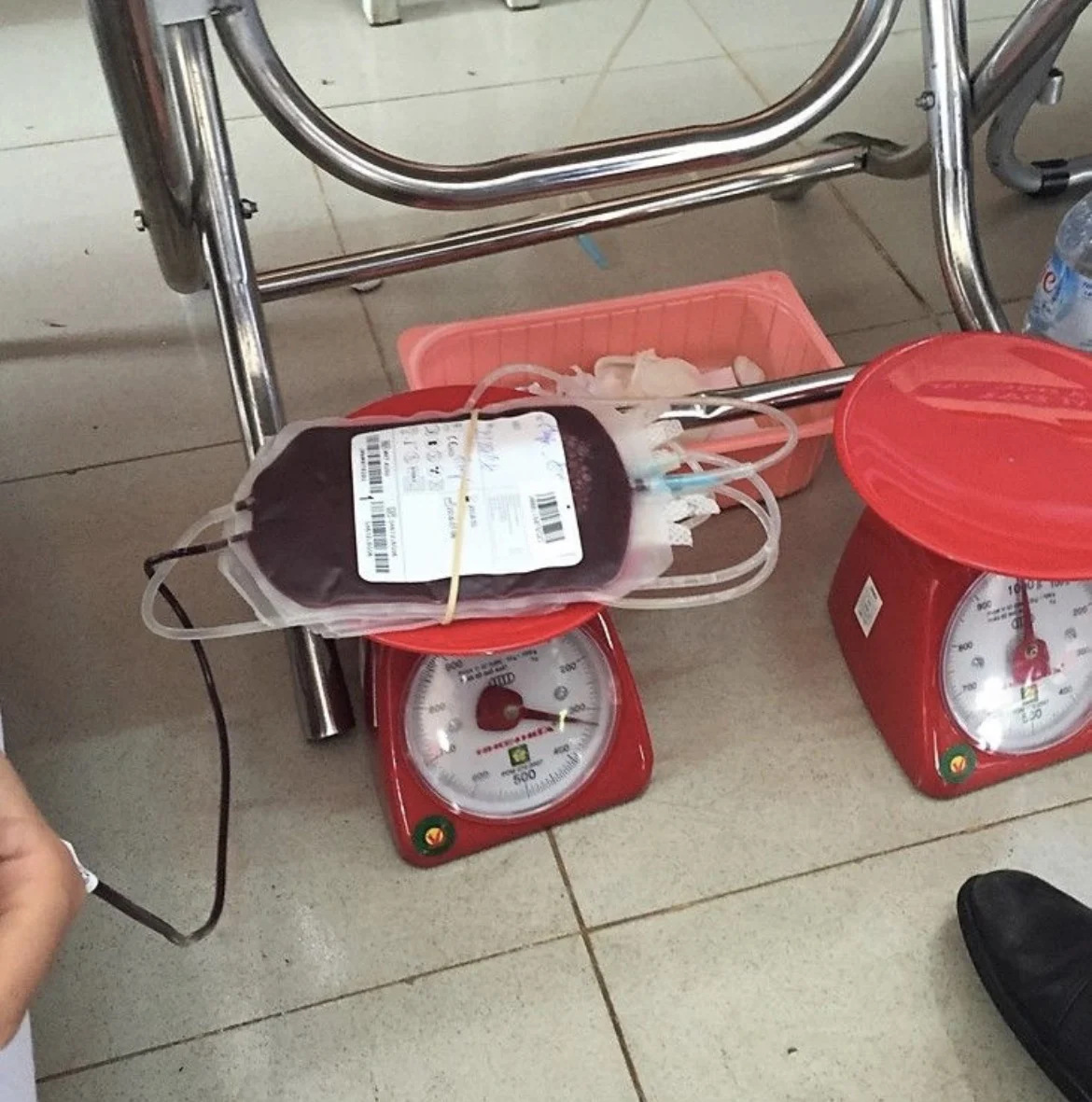
Blood collection is sometimes seen as simply ‘filling a bag.’ In reality, blood collection is a major technical procedure, and it plays a decisive role in the final quality of a whole blood unit — long before testing, processing, or distribution.
Of course, donor care, comfort, and loyalty are essential. But beyond the relational aspect, the collection process itself has a direct impact on the biological quality of the blood product.
Several critical parameters must be taken into account:
Blood-anticoagulant mixing
From the very first drops, blood must be properly mixed with the anticoagulant. Insufficient mixing can lead to microclot formation and compromise product quality.
Collection time
A prolonged collection (more than 12 minutes) increases the risk of coagulation factor activation. Respecting collection time is therefore essential to preserve whole blood integrity.
Height difference between the donor’s arm the collection bag
Improper positioning can affect blood flow, extend collection time, and impair mixing. A small detail, with very real consequences.
Temperature: a delicate balance
Thermal shock must be avoided, as it can lead to early red blood cell haemolysis. At the same time, a gradual decrease in temperature is required to reach the working range of 20–24 °C. Once again, this begins at collection.
Handling of the collection system
Improper breaking or handling of plastic components can cause mechanical stress and promote hemolysis. Precision and technique are essential.
All of these factors rest on the shoulders of the collection team.
Their expertise, rigor, and vigilance ensure that a whole blood unit is not only collected — but collected with quality.
In transfusion medicine, quality is not created in the laboratory.
It starts in the donor chair.”
Stay updated with Hemostasis Today.
-
Sep 30, 2026, 13:03Amira Mohy: Diagnostic Flow Cytometry Panels for Hematological Malignancies
-
Sep 30, 2026, 12:52Paul Watton: Could Repetitive Head Impacts Leave a Molecular Memory?
-
Sep 30, 2026, 12:41The Journey to ISTH 2027 Starts in Vancouver
-
Sep 30, 2026, 11:36Basit Ali: A Closer Look at CT Venography
-
Sep 30, 2026, 11:16Christina Pohlman: Could aPL Levels Help Predict Stroke Recurrence?
-
Sep 30, 2026, 10:55Rana Al Hrout: Diagnostic Approach to Hypochromic Microcytic Anemia
-
Sep 30, 2026, 01:52Javed Anees: DADA2 – When a Young Stroke Is More Than a Stroke
-
Sep 30, 2026, 01:51How a Venous Thrombus Becomes Revascularized – ISTH
-
Sep 29, 2026, 22:45Victor Agunyego: Paracetamol – The Most Common Drug We Underestimate