


Mili Jain: Understanding Microcytic Hypochromic Anemia
Mili Jain, Assistant Professor at Pacific Medical College and Hospital, shared a post on LinkedIn:
“Microcytic hypochromic anemia is an anemia characterized by:
- Microcytic: Red blood cells (RBCs) are smaller than normal (MCV less than 80 fL in adults).
- Hypochromic: RBCs have reduced hemoglobin, resulting in increased central pallor (MCH and MCHC are reduced).
Common causes (Mnemonic: TAILS)
- Thalassemia
- Anemia of chronic disease/inflammation (occasionally microcytic)
- Iron deficiency anemia (most common)
- Lead poisoning
- Sideroblastic anemia
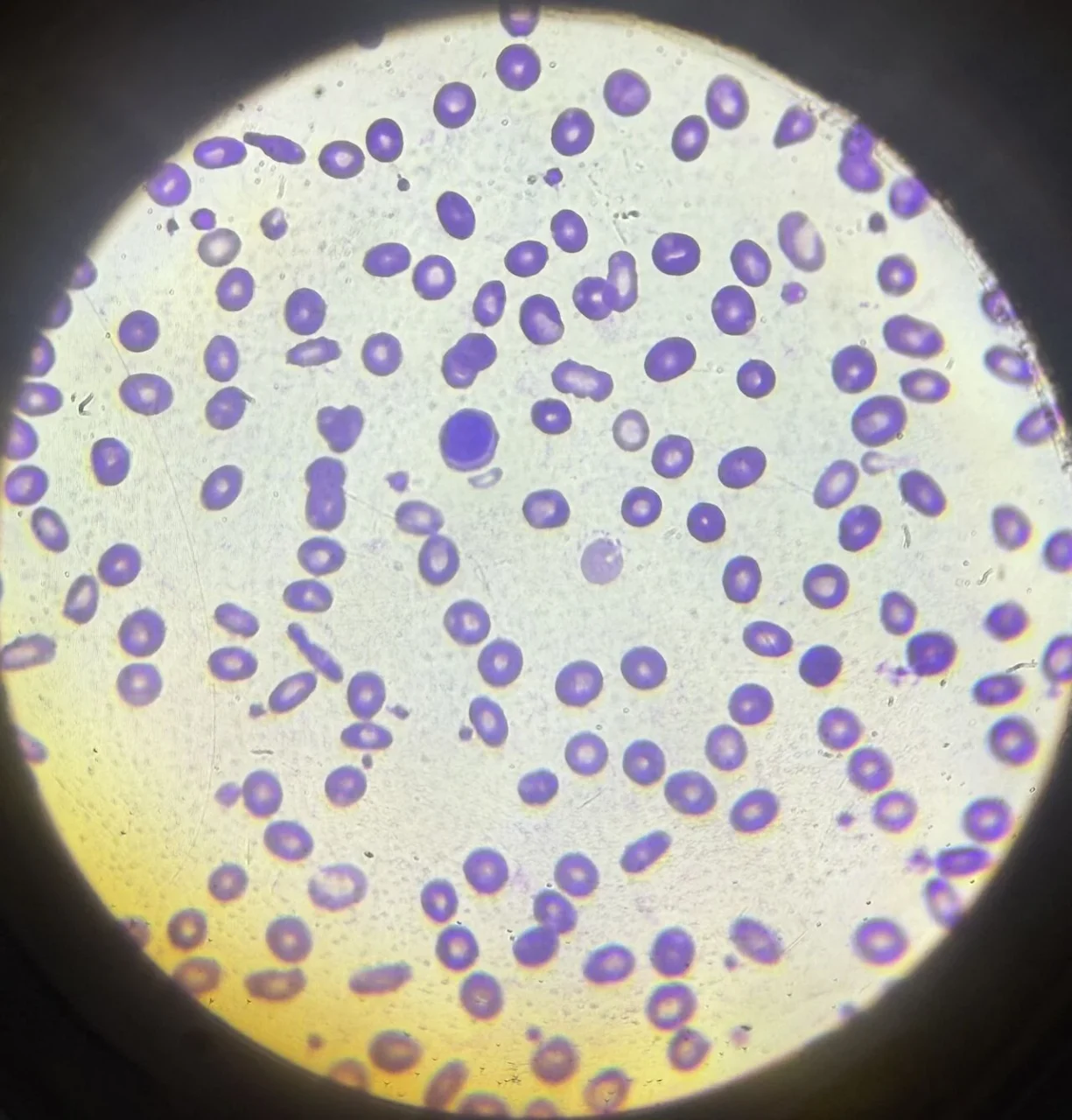
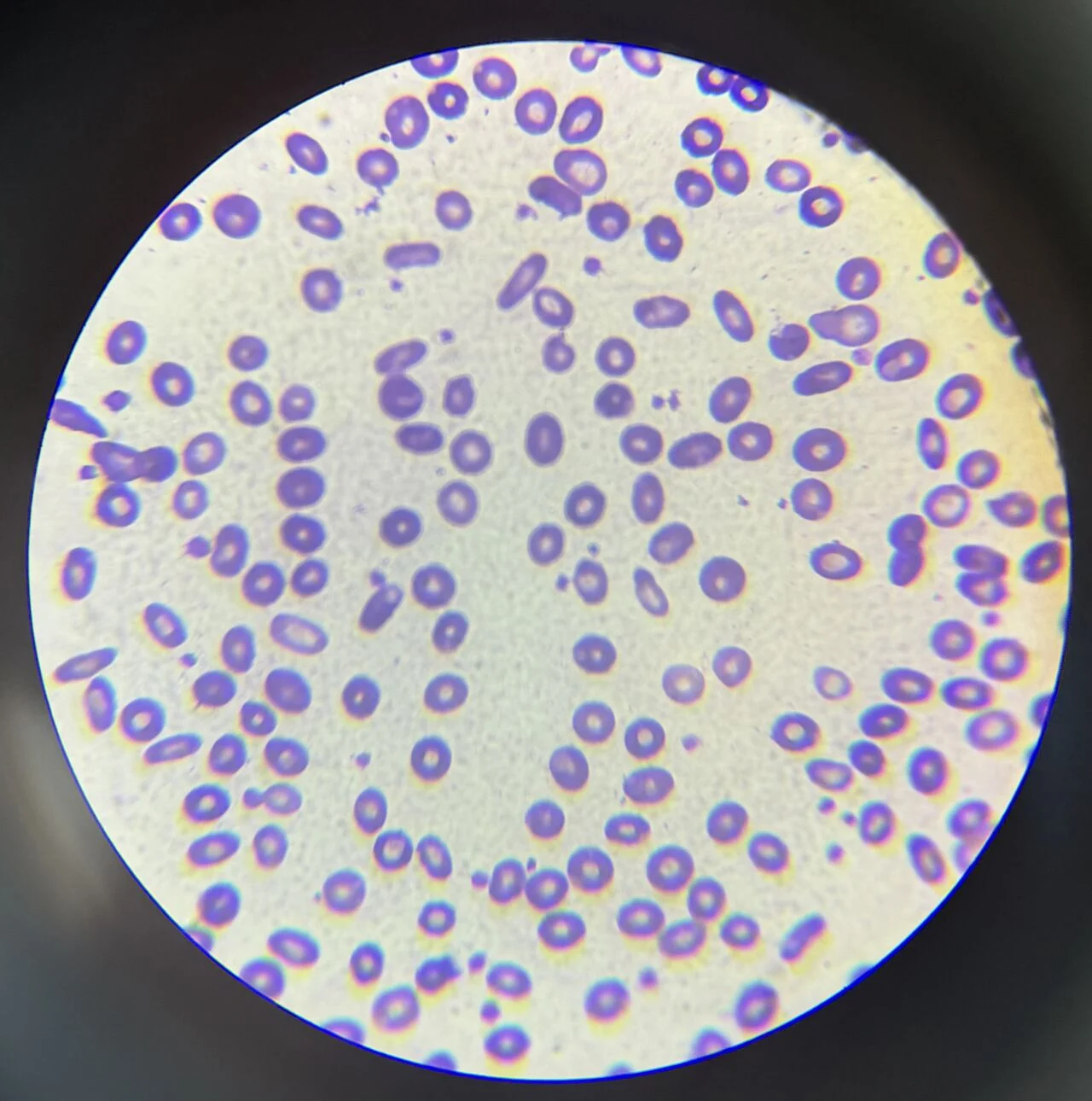
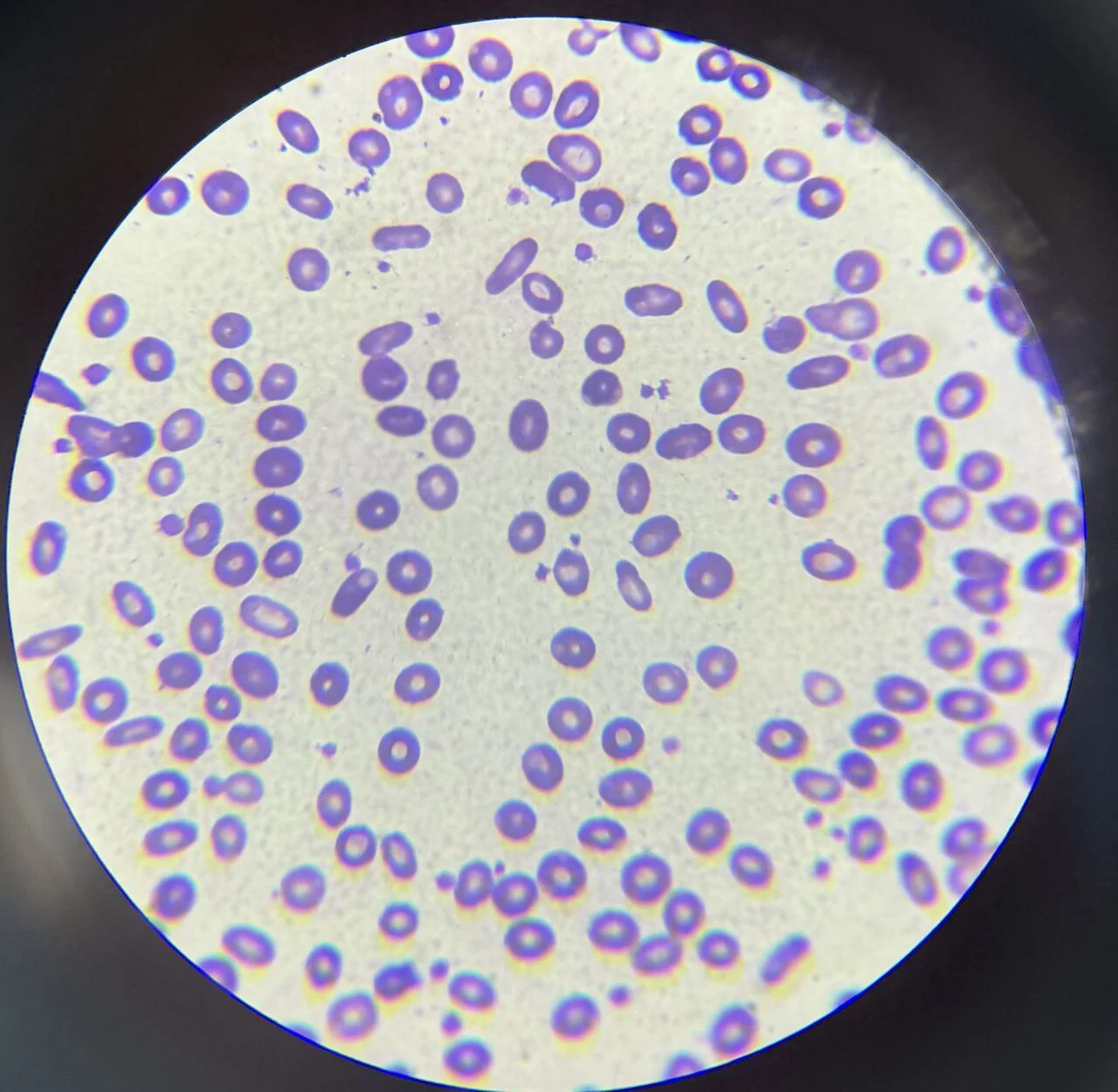
Peripheral blood smear findings
- Microcytosis
- Hypochromia
- Anisocytosis
- Poikilocytosis
- Pencil cells/elliptocytes (especially in iron deficiency)
- Target cells (common in thalassemia; may also be seen in iron deficiency)
- Basophilic stippling (lead poisoning, thalassemia, sideroblastic anemia)
Laboratory evaluation
- CBC: Low Hb, low MCV, low MCH
- RDW: Increased in iron deficiency; often normal in thalassemia trait
- Iron studies:
- Iron deficiency: Low Serum ferritin, Low serum iron, High TIBC, Low transferrin saturation
- Anemia of chronic disease: High/Normal ferritin, Low serum iron, Low/Normal TIBC
- Hemoglobin electrophoresis: For suspected thalassemia
- Bone marrow with Prussian blue stain: Ring sideroblasts in sideroblastic anemia (when indicated)
- Blood lead level: If lead poisoning is suspected
Reporting on peripheral blood smear A typical IDA report may read:
Peripheral blood smear shows microcytic hypochromic red cells with moderate to severe anisopoikilocytosis. Elliptocytes/ pencil cells are noted.
Leukocytes are unremarkable.
Platelets Normal or Raised.
This PBF findings are suggestive of microcytic hypochromic anemia, with iron deficiency anemia being the most likely etiology. Correlation with iron studies (especially serum ferritin) is recommended.
If target cells predominate with a relatively high RBC count, a comment suggesting thalassemia trait and recommending hemoglobin electrophoresis/HPLC would be appropriated.”
Stay updated with Hemostasis Today.
-
Sep 21, 2026, 04:06Allison Lewin: How Gender Shapes the Way We Receive Medical Care
-
Sep 21, 2026, 03:49Jessica Lee: Walking Together for a Stronger Bleeding Disorders Community
-
Sep 21, 2026, 03:36Syed Asif Ali Shah: From Pakistan to Australia – A Clinical Haematology Milestone
-
Sep 21, 2026, 03:22Katie Baca-Motes: Estradiol Fluctuations May Help Explain Menstrual Migraine
-
Sep 21, 2026, 03:00Family History Can Reveal Hidden Risk of Aortic Dissection – The Marfan Foundation
-
Sep 21, 2026, 02:47Transitioning from Paediatric to Adult Haemophilia Care – Haemophilia Foundation Australia
-
Sep 21, 2026, 02:29Diana Castro Paupério: A New Era for Patient Blood Management
-
Sep 21, 2026, 00:29Iheanyichukwu Ike: Childhood Anaemia in Nigeria Through an Analysis of the 2018 NDHS
-
Sep 21, 2026, 00:27Nicole De Vita: The Global Burden of Iron Deficiency and Anemia in Women at SABM