


Mohamed Sikkander Abdul Razak: A New Strategy to Reprogram Cancer Cells Instead of Killing Them
Mohamed Sikkander Abdul Razak, Professor at GKM College of Engineering Technology, shared a post on LinkedIn:
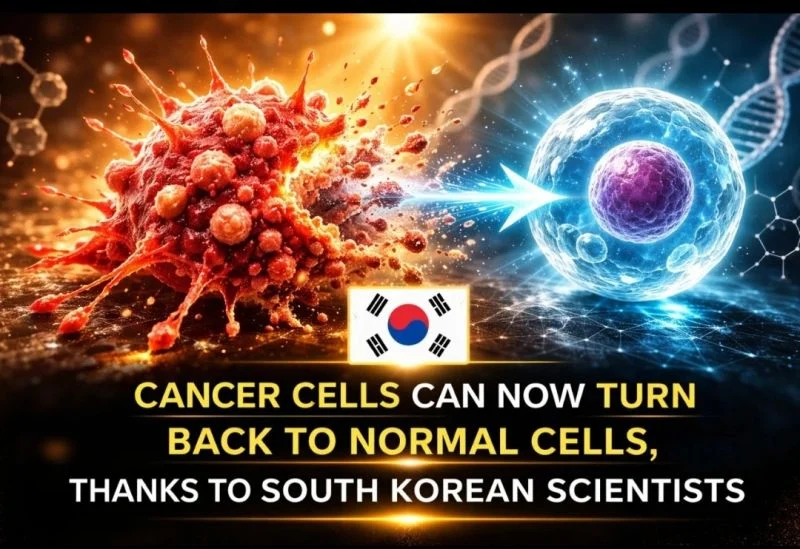
“Scientists at KAIST have identified three genetic switches – MYB, HDAC2, and FOXA2 – that keep cancer cells, specifically colon cancer cells, in a malignant state.
By inhibiting these genes, they’ve successfully reprogrammed cancer cells to behave like normal, healthy cells.
This breakthrough could lead to a new approach in cancer treatment, focusing on reprogramming rather than killing cancer cells.
Some key points about this research:
- MYB: Often overactive in colon and blood cancers, promoting growth and preventing cell maturation.
- HDAC2: Helps cancer cells survive by shutting down protective genes.
- FOXA2: Plays complex roles in cell development and cancer growth.
The researchers used a computational model called BENEIN to identify these genetic switches and achieved promising results in lab and animal studies.
This research could lead to:
- Targeted therapies: Developing treatments that reprogram cancer cells to behave normally, reducing harm to healthy cells.
- Personalized medicine: Identifying specific genetic switches in individual patients’ cancers to tailor treatments.
- Combination therapies: Using reprogramming approaches alongside existing treatments like chemotherapy.
- Cancer prevention: Potentially preventing cancer progression in high-risk individuals.
The BENEIN model could also be applied to other cancer types, making it a valuable tool.
Some challenges:
- Specificity: Ensuring treatments target cancer cells only, avoiding off-target effects.
- Delivery: Effectively delivering therapies to all cancer cells, especially in solid tumors.
- Resistance: Cancer cells might develop resistance to reprogramming.
- Long-term efficacy: Ensuring reprogrammed cells remain healthy long-term.
- Complexity: Cancer involves multiple pathways; targeting three switches might not be enough.
Translating lab findings to human treatments will require careful clinical trials.”
Stay updated with Hemostasis Today.
-
Sep 21, 2026, 15:56Anita Zaidi: Why Only 2% of Health Research and Development Goes to Women’s Conditions
-
Sep 21, 2026, 15:49Omid Khalafi: Gating Strategy and How Do We Decide Which Cells to Analyze
-
Sep 21, 2026, 15:44Levacetylleucine: A New Therapeutic Approach to Ataxia Telangiectasia
-
Sep 21, 2026, 15:40Andreas Tridimas: The Diagnostic Traps of Lipaemic Blood – Why a Normal Amylase Can Mislead You
-
Sep 21, 2026, 15:33Arsene Mekinian: Exploring Cardiac Involvement in Behçet’s Disease
-
Sep 21, 2026, 15:23Anis Mahjoubi: MRI Findings of Krukenberg Tumors
-
Sep 21, 2026, 15:08Fikreab Tesfaye Tefera: 10 Practical Take-Home Points for Diagnosing Iron Deficiency Anemia
-
Sep 21, 2026, 14:10Aswin K Mohan: Lessons from TRANSCON 2026 – Building Resilient Blood Supply Systems Before Crisis Hits
-
Sep 21, 2026, 14:00Vincent Lu: Beyond PT and aPTT – How Hemostasis Evolves Across a Lifetime