

Sarah Walbolt։ Have You Ever Wondered What Actually Happens to Your Donated Blood?
Sarah Walbolt, Program Manager at University of Utah Health, Chief Executive Officer Sanguine Health Holdings Inc, shared a post on LinkedIn:
“Have You Ever Wondered What Actually happens to Your Donated Blood?
Most people donate blood and never think twice about what happens next.
But behind the scenes, donated blood goes through a fascinating and carefully monitored journey.
Here is what is happening to those red blood cells from the moment they leave your body:
What Happens to Donated Blood Over Time:
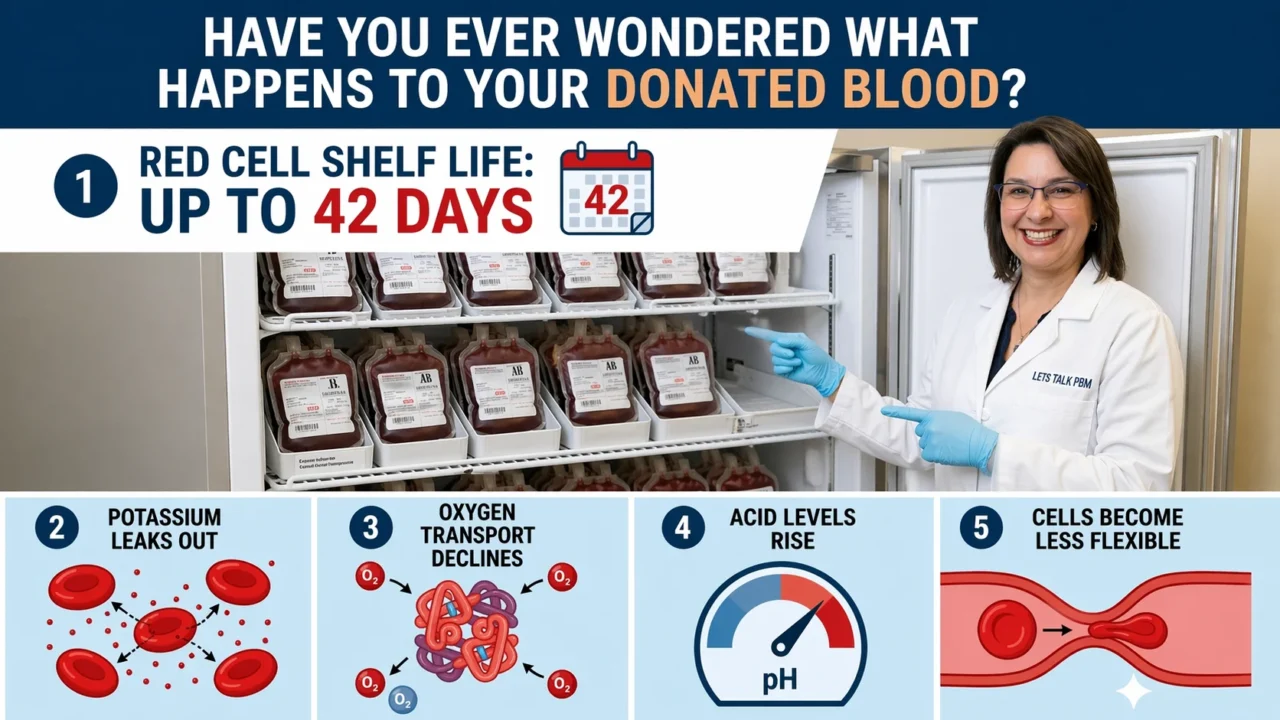
- Red blood cells can be stored for up to 42 days – but they are not just sitting still during that time
- Potassium leaks out of the cells gradually as they age in storage
- Oxygen transport declines- meaning older stored blood is less efficient at delivering oxygen to the body
- Acid levels rise – the pH of stored blood changes over time, making it more acidic Cells become less fresh red blood cells are soft and bendable, allowing them to squeeze through tiny blood vessels; older stored cells lose that ability.
- Cells become less flexible – fresh red blood cells are soft and bendable, allowing them to squeeze through tiny blood vessels; older stored cells lose that ability.
Why does this matter?
Understanding how blood ages in storage helps medical teams make smarter decisions about which blood to use, when, and for whom, especially for vulnerable patients like newborns, cancer patients, and those in critical care.
Did you know donated blood has a shelf life?
Share this with someone who would find this fascinating!
Follow our page for more blood health content, and subscribe to our YouTube channel for more in-depth health education.”
Stay updated with Hemostasis Today.
-
Sep 21, 2026, 11:03Shaurav Bhattacharyya: Honoring the 2026 Lasker Award Winners
-
Sep 21, 2026, 10:41Jamshid Ullah: Recognizing Blood Disorders Through Laboratory Findings
-
Sep 21, 2026, 10:18Mana Alshehri: A New Step Toward Hemophilia B Gene Therapy in Adolescents
-
Sep 21, 2026, 09:52Afreenish Tasadaq: Contributing to Awareness about Bleeding Disorders
-
Sep 21, 2026, 08:49Andrea Bridges: When Support Becomes a Commitment to Give Back
-
Sep 21, 2026, 08:21Managing Thrombotic Risk in Pregnancy
-
Sep 21, 2026, 04:06Allison Lewin: How Gender Shapes the Way We Receive Medical Care
-
Sep 21, 2026, 03:49Jessica Lee: Walking Together for a Stronger Bleeding Disorders Community
-
Sep 21, 2026, 03:36Syed Asif Ali Shah: From Pakistan to Australia – A Clinical Haematology Milestone