


Mohamud Abdullahi Mohamed: Essential Resource for Clinical Hematology Diagnostics
Mohamud Abdullahi Mohamed, GPE Monitoring Evaluation Accountability and Learning (MEAL) Manager at Save the Children International, shared a post on LinkedIn:
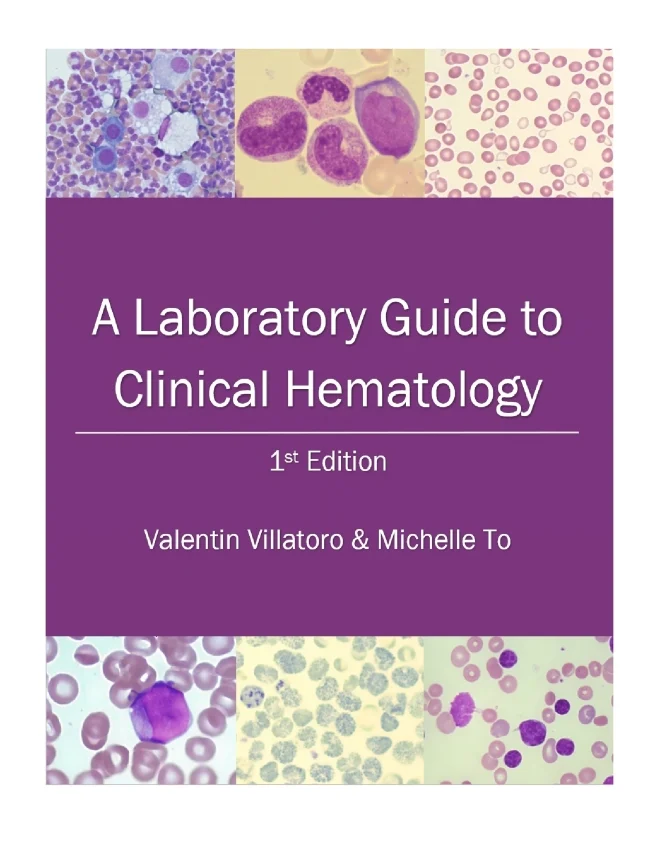
“A Laboratory Guide to Clinical Hematology (1st Edition)
The book A Laboratory Guide to Clinical Hematology by Valentin Villatoro and Michelle To is a comprehensive educational resource designed to support laboratory professionals, students, and clinicians in understanding hematologic morphology and disorders. With its structured approach, it provides clear guidance on the identification, classification, and interpretation of blood cell abnormalities.
Why This Book Matters
Hematology is at the core of diagnostic medicine. This book equips professionals with the ability to recognize normal and abnormal blood cell morphology, diagnose hematologic disorders, and apply laboratory findings to clinical practice, ensuring accuracy and confidence in patient care.
Key Content Covered
Red Blood Cells (RBCs) – Normal morphology, abnormal shapes, inclusions, and related anemias.
DNA Metabolism & Bone Marrow Failure – Insights into megaloblastic anemias and marrow disorders.
Hemolytic Anemias – Intrinsic and extrinsic causes, including hemoglobinopathies.
White Blood Cells (WBCs) and Platelets – Normal morphology and non‑malignant disorders.
Leukemias and Neoplasms – Acute leukemias, lymphoid neoplasms, myeloproliferative neoplasms (MPN), and myelodysplastic syndromes (MDS).
Laboratory Applications – Practical guidance for morphology recognition and diagnostic workflows.
Key Benefits
Diagnostic Precision: Strengthens ability to identify hematologic abnormalities.
Applied Utility: Practical laboratory guidance for real‑world cases.
Comprehensive Coverage: From RBCs and WBCs to advanced neoplasms.
Professional Relevance: Supports clinicians, laboratory scientists, and students in hematology.
Who Should Read It
Laboratory Scientists and Technologists: To refine diagnostic skills in hematology.
Clinicians and Pathologists: To integrate laboratory findings into patient care.
Students in Medical and Laboratory Sciences: To build strong foundations in hematology.
Researchers: To explore morphology and hematologic disease mechanisms.
The Professional Edge
This book is more than a laboratory manual — it is a strategic guide to mastering hematology diagnostics. By applying its content, professionals can ensure that laboratory results translate into accurate, timely, and life‑saving clinical decisions.”
Stay updated with Hemostasis Today.
-
Sep 27, 2026, 13:19Julie Makani: Advances and Challenges in Sickle Cell and Beta Thalassemia Treatment
-
Sep 27, 2026, 12:56Ana Lidia Flores-Mireles: Fibrin Suppresses Macrophage Defenses in Catheter-Associated UTIs
-
Sep 27, 2026, 12:30Francesco Onida: Maria Domenica Cappellini Receives 2026 Lettura Ferrata Award
-
Sep 27, 2026, 11:51Ashraf Dada: Smart Algorithm Enables Successful Single-Session Stem Cell Collection
-
Sep 27, 2026, 09:03Tareq Abadl: Hemoglobin Electrophoresis Patterns Across Thalassemia Syndromes
-
Sep 27, 2026, 08:33Vincent Serra: Beyond Oncology The Expanding Landscape of Immunotherapy
-
Sep 27, 2026, 08:18Tanmoy Debnath: Multiplexed Genetic Screening From a Single Newborn Blood Spot
-
Sep 27, 2026, 07:57Christopher D: Personalized CRISPR Therapy and the Future of Rare Disease Care
-
Sep 27, 2026, 07:27Alexander Misono: Chronic Deep Vein Thrombosis and the Impact of Delayed Treatment