

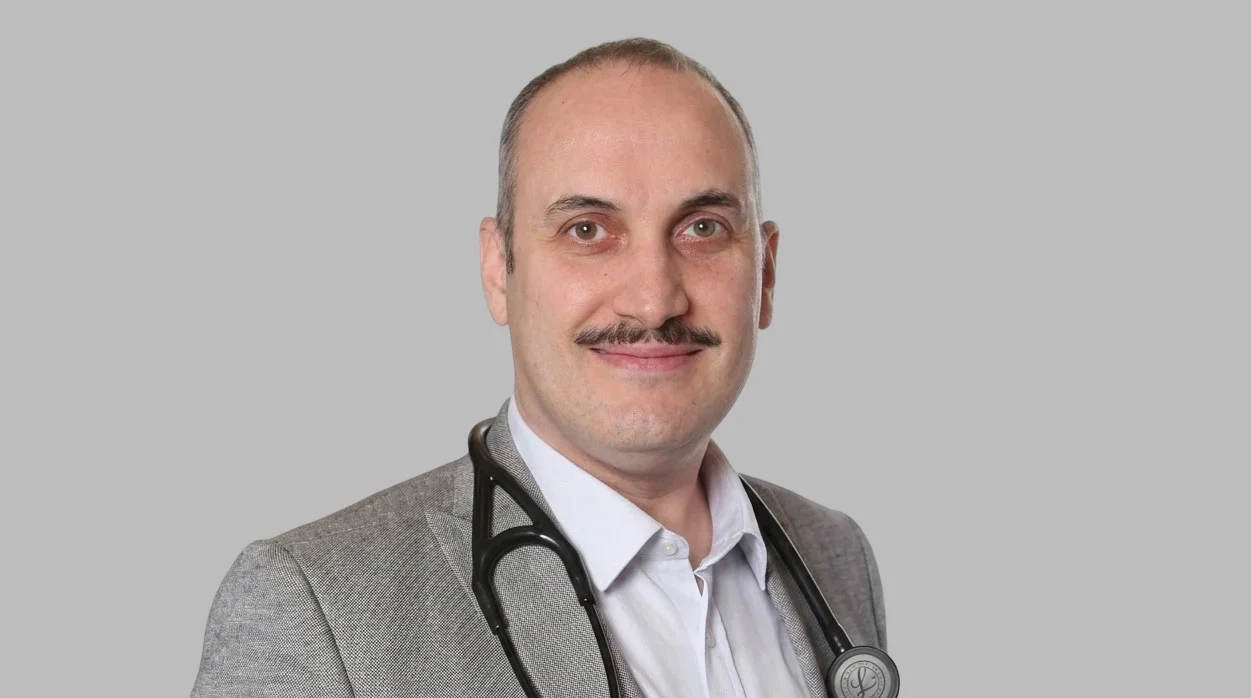
Muhammet Özbilen: The Hidden Burden of BDUC
Muhammet Özbilen, Associate Professor Doctor at Ordu University, shared a post on LinkedIn:
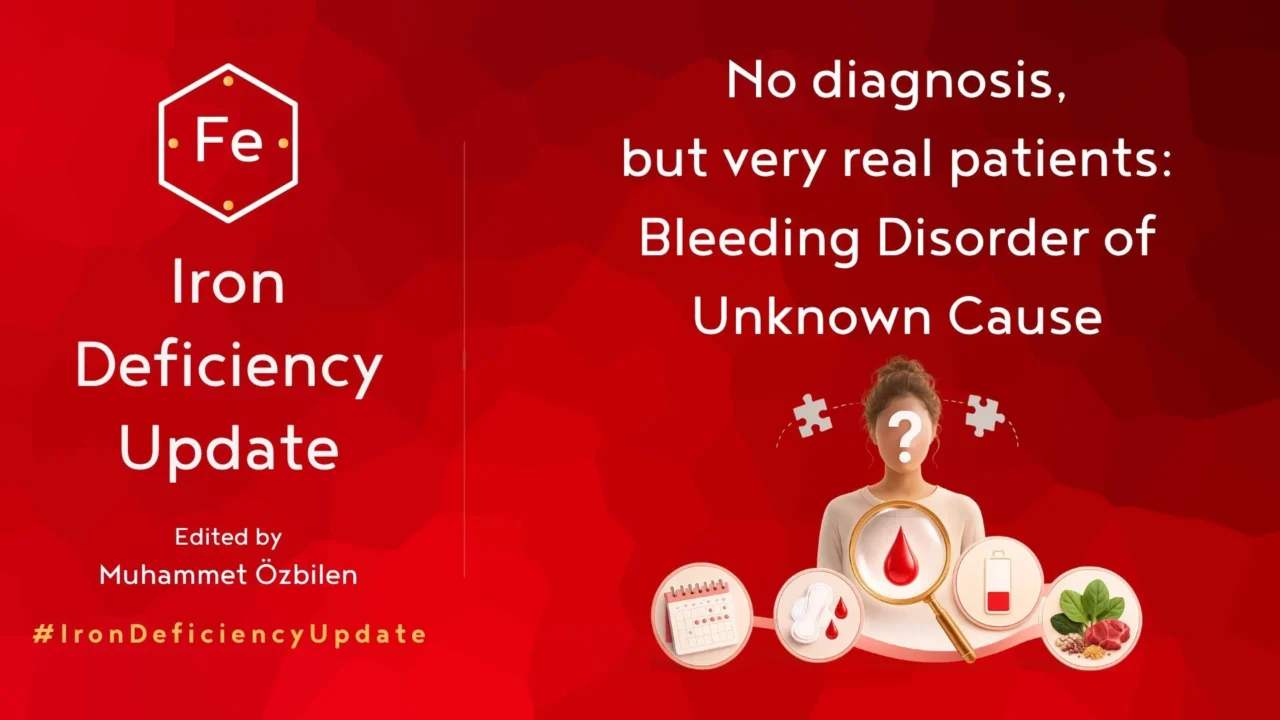
“Iron Deficiency Update – Issue N5 is out
‘No diagnosis, but very real patients: Bleeding Disorder of Unknown Cause’
A patient bruises easily, bleeds after surgery, struggles with heavy periods and iron deficiency — yet every lab test is normal.
This isn’t the exception; it’s the rule. In up to two-thirds of adults with a mild-to-moderate bleeding tendency, no specific hemostatic abnormality is found.
They’re diagnosed with a Bleeding Disorder of Unknown Cause (BDUC) — the focus of Mehic et al.’s review in the International Journal of Laboratory Hematology.
Why it matters: These patients face impaired quality of life, real bleeding risk (especially around surgery and childbirth), and frequent iron deficiency.
Notably, up to 80% are women – a reminder of how often heavy menstrual bleeding is overlooked.
BDUC is a diagnosis of exclusion.
CFD, von Willebrand disease (VWD), and platelet function disorders must all be ruled out first.
Critical thresholds:
- Hemophilia A/B (FVIII/FIX): ISTH cutoff less than 40%, though studies suggest 50% may be clinically more relevant.
- VWD:
- VWF less than 50 IU/dL with bleeding – diagnostic;
- less than 30 IU/dL – diagnostic regardless of symptoms.
- Type 2 VWD: VWF:Act/Ag ratio less than 0.7.
Blind spots:
- A normal aPTT doesn’t exclude mild FVIII, IX, or XI deficiency.
- Factor XIII deficiency affects neither PT nor aPTT — routine testing will never catch it.
- The PFA-100/-200 can’t reliably separate PFD from BDUC. LTA remains the gold standard.
One measurement can mislead. VWF levels fluctuate with estrogen, age, and inflammation.
In Vienna Biobank data, nearly a quarter of VWD diagnoses were only established at follow-up — so repeat testing is essential.
Despite no unifying diagnosis, these patients share a real phenotype and real risk.
Management must go beyond labeling – toward individualized care ahead of hemostatic challenges.
Sometimes bleeding has no name on a lab report. But the patient, and the risk, are very real.
What’s your biggest challenge with BDUC patients? ”
Stay updated with Hemostasis Today.
-
Oct 20, 2026, 06:45Grant Garcia: Why Does a Blood Clot Diagnosis Immediately End an Athlete’s Season?
-
Oct 20, 2026, 06:35Parag Tamhankar: Landmark Study Reveals Genetic Spectrum and Targeted Therapies for ALPS in the Indian Population
-
Oct 20, 2026, 06:26Nina Houben: Neonatal Blood Transfusion Symposium and PhD Defense
-
Oct 20, 2026, 05:46Jan T. Kielstein: DNP Poisoning and Hemoadsorption The Limits of Rescue Therapy
-
Oct 20, 2026, 05:33Giulia Di Paolo: Connecting Plasma Donation to the Patients Who Depend on It
-
Oct 20, 2026, 05:20James Knowles: Exploring Plasma Manufacturing and Strengthening Industry Collaboration
-
Oct 20, 2026, 05:11Giuseppe Lippi։ Understanding Liver Test Abnormalities After AAV Gene Therapy
-
Oct 20, 2026, 05:02Sanam Loghavi: Test Your Hematology Knowledge at ASH 2026!
-
Oct 20, 2026, 04:13Ifeanyichukwu Ifechidere: DOACs Are Not the Answer to Every Anticoagulation Question