


Samwel Mikaye: Pathophysiology, Clinical Features and Management of CAD
Samwel Mikaye, Medical Doctor at MSK, shared a post on LinkedIn:
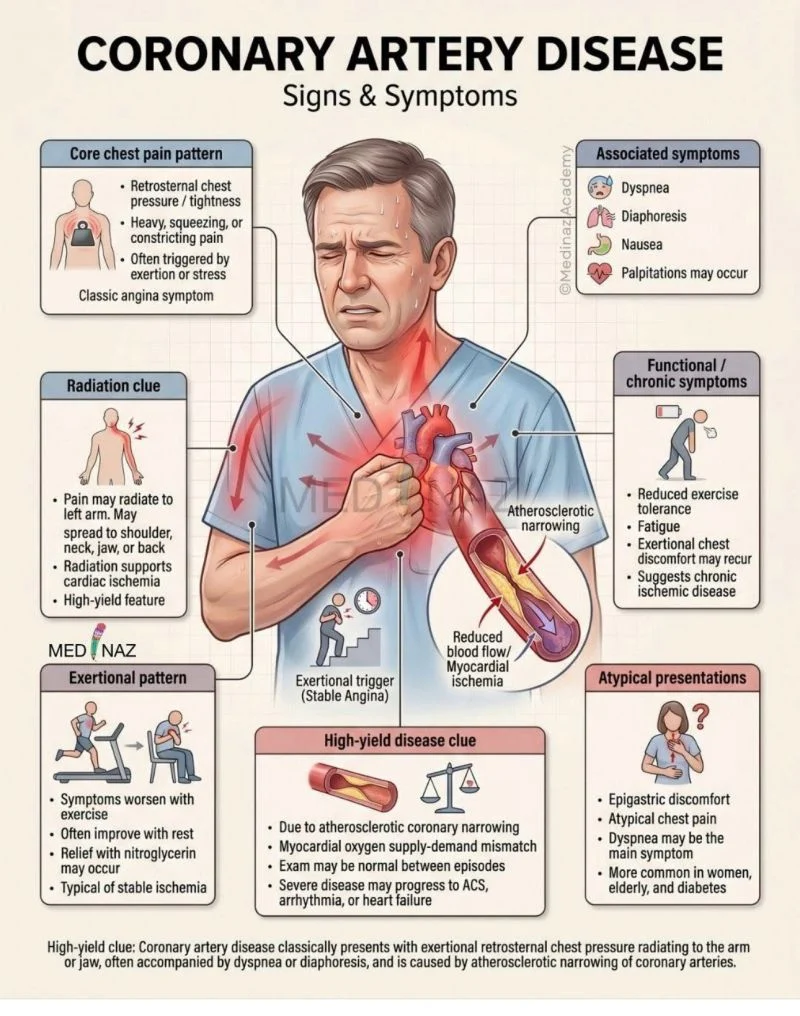
“Coronary Artery Disease (CAD)
Coronary artery disease is a condition in which the coronary arteries become narrowed or blocked, usually due to atherosclerosis, reducing blood flow to the heart muscle.
It is a major cause of:
- Angina Pectoris
- Myocardial Infarction
- Heart failure
- Sudden cardiac death
Pathophysiology
CAD is mainly caused by:
- Atherosclerotic plaque formation in coronary arteries
- Plaque rupture and thrombosis may cause acute coronary syndrome
Reduced blood flow leads to myocardial ischemia.
Risk Factors
Non-modifiable
- Increasing age
- Male sex
- Family history of heart disease
Modifiable
- Hypertension
- Diabetes mellitus
- Smoking
- Hyperlipidemia
- Obesity
- Sedentary lifestyle
- Excess alcohol intake
- Stress
Clinical Features
Stable angina
- Central chest pain or pressure
- Triggered by exertion or stress
- Relieved by rest or nitrates
May radiate to:
- Left arm
- Neck
- Jaw
- Shoulder
Acute coronary syndrome symptoms
- Severe prolonged chest pain
- Dyspnea
- Sweating
- Nausea and vomiting
- Palpitations
- Syncope
Associated symptoms
- Fatigue
- Reduced exercise tolerance
Signs
- May be normal in stable disease
- Hypertension
- Tachycardia
- Signs of heart failure in advanced disease
Diagnosis
Investigations
- ECG
- Cardiac enzymes (troponins)
- Echocardiography
- Exercise stress test
- Coronary angiography
- Lipid profile
- Blood glucose/HbA1c
Complications
- Myocardial Infarction
- Arrhythmias
- Heart failure
- Cardiogenic shock
- Sudden cardiac death
Management
Lifestyle modification
- Smoking cessation
- Weight reduction
- Regular exercise
- Healthy diet
- Control of diabetes and hypertension
Medications
- Aspirin
- Statins
- Nitrates
- Beta-blockers
- ACE inhibitors
- Antiplatelet agents
Revascularization
- Percutaneous coronary intervention (PCI/stenting)
- Coronary artery bypass grafting (CABG)
Prevention
- Control cardiovascular risk factors
- Healthy lifestyle
- Routine screening in high-risk patients
Coronary artery disease results from atherosclerotic narrowing of coronary arteries causing myocardial ischemia.
Classic presentation:
Exertional chest pain relieved by rest
Major complications:
- Myocardial infarction
- Heart failure
- Sudden cardiac death”
Other posts featuring Samwel Mikaye on Hemostasis Today.
-
Sep 30, 2026, 13:03Amira Mohy: Diagnostic Flow Cytometry Panels for Hematological Malignancies
-
Sep 30, 2026, 12:52Paul Watton: Could Repetitive Head Impacts Leave a Molecular Memory?
-
Sep 30, 2026, 12:41The Journey to ISTH 2027 Starts in Vancouver
-
Sep 30, 2026, 11:36Basit Ali: A Closer Look at CT Venography
-
Sep 30, 2026, 11:16Christina Pohlman: Could aPL Levels Help Predict Stroke Recurrence?
-
Sep 30, 2026, 10:55Rana Al Hrout: Diagnostic Approach to Hypochromic Microcytic Anemia
-
Sep 30, 2026, 01:52Javed Anees: DADA2 – When a Young Stroke Is More Than a Stroke
-
Sep 30, 2026, 01:51How a Venous Thrombus Becomes Revascularized – ISTH
-
Sep 29, 2026, 22:45Victor Agunyego: Paracetamol – The Most Common Drug We Underestimate