

Sawrav Kr Sanyal: PE Prevention Through Lifestyle and Awareness
Sawrav Kr Sanyal, Founder and CEO of HealthFitWealth, shared a post on LinkedIn:
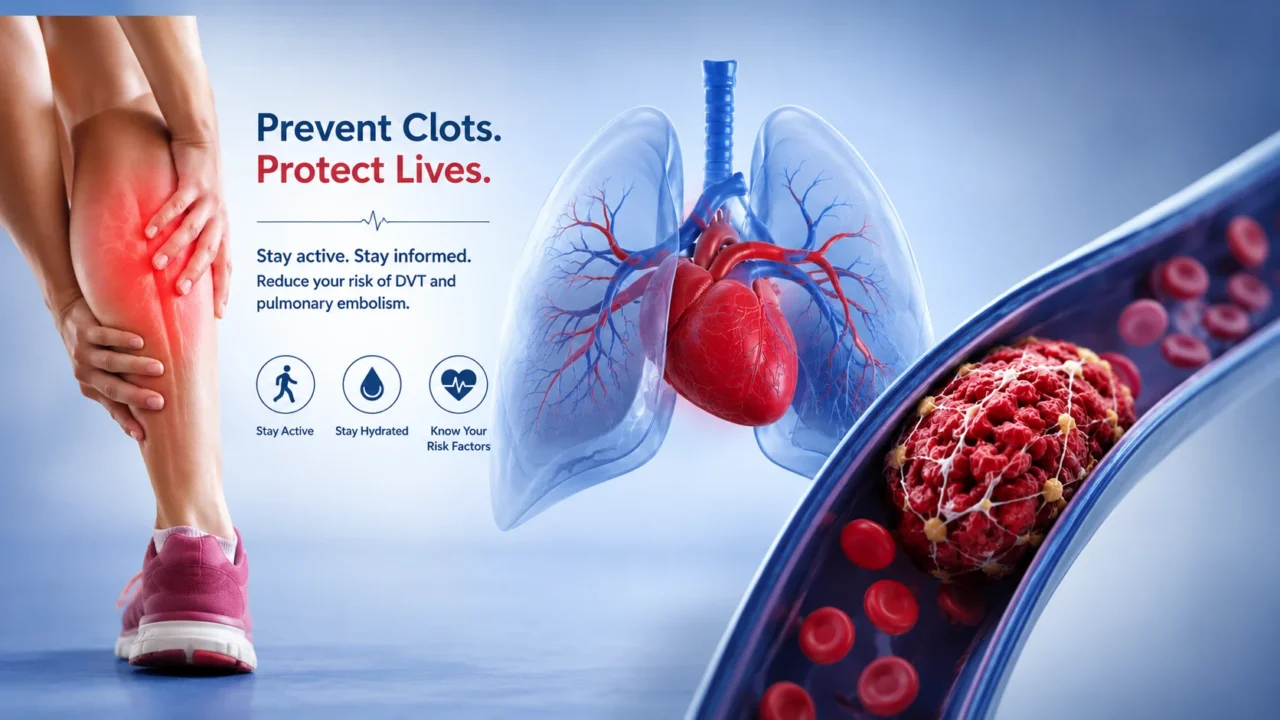
“Pulmonary thromboembolism (PE) is primarily caused by deep vein thrombosis (DVT), which occurs when a blood clot in a leg or pelvis vein breaks loose and travels to the lungs.
Preventive measures focus on avoiding these initial clots through staying active, managing risk factors, and using medications when necessary.
Most PEs originate from clots in the deep veins of the legs.
When these clots dislodge, they can travel through the bloodstream to the pulmonary arteries.
Key risk factors include:
- Immobility: Long periods of inactivity, such as bed rest after surgery or long-haul travel (plane or car rides over 4 hours), can cause blood to pool and clot.
- Surgery and Trauma: Major orthopedic surgeries (like hip or knee replacements) and fractures significantly increase risk due to vein damage and immobility.
- Medical Conditions: Conditions such as cancer (and chemotherapy), heart disease, and lung disease contribute to the risk.
- Hormonal Factors: The use of birth control pills, hormone replacement therapy, and pregnancy (up to 6 weeks postpartum) raises the risk of clotting.
- Genetic Factors: Inherited clotting disorders, such as Factor V Leiden or prothrombin gene mutations, play a role.
- Lifestyle: Smoking and obesity are significant modifiable risk factors.
Preventive Strategies
To target the root cause of DVT, consider the following strategies:
For Daily Life and Travel
1. Keep Moving:
Avoid sitting still for long periods.
Stand up, walk, or stretch every 30 minutes to 1 hour.
2. Exercise While Seated:
If you are stuck in a seat (on a plane or in a car), flex your ankles, lift your knees, and rotate your feet to promote blood circulation.
3. Hydration:
Drink plenty of water and limit excessive alcohol consumption to prevent .
In addition, do below to get maximum benefits on health parameters
4. VO2 Max:
A measure of Cardiorespiratory Fitness, it measures the maximum amount of oxygen your body can use during intense physical activity.
It is the gold standard for cardiovascular fitness.
5. Resting Heart Rate (RHR):
Your heart rate when completely at rest is a strong indicator of autonomic nervous system health and inflammation.
6. Adequate Sleep Parameters:
Sleep is the foundation that supports the other two metrics.
It is not just about ‘rest’ but about physiological repair.
Poor sleep duration and quality are associated with lower VO2 Max and higher heart rates.
Treating underlying sleep issues is often a hidden but necessary part of a comprehensive prevention plan.”
Stay updated with Hemostasis Today.
-
Oct 1, 2026, 07:52Marc Carrier: TRIM-Line Trial Evaluates VTE Prevention in Cancer
-
Oct 1, 2026, 07:29Ariela Marshall: New Guidelines Provide Updated Recommendations for Iron Deficiency Diagnosis
-
Sep 30, 2026, 22:28Recent Mechanical Risk Factors and Young-Onset Cryptogenic Ischemic Stroke – American Heart Association International
-
Sep 30, 2026, 22:22Expert Consensus on Inferior Vena Cava Thrombosis – Thrombosis and Haemostasis Journal
-
Sep 30, 2026, 22:21Markus Abeln: How Platelets and Complement Shape Placental Blood Flow
-
Sep 30, 2026, 22:19Fatma Al Arbawi: Studying Blood Clot Mechanics to Understand Aspirin Resistance and Thrombosis
-
Sep 30, 2026, 22:17Sudhir Kumar: Stroke is a Medical Emergency – and Every Minute Matters
-
Sep 30, 2026, 22:15Luisa Medeiros Visentini: Our Research on Cognitive Impairment After CVT Cited in the International Journal of Stroke
-
Sep 30, 2026, 21:50Jagat Narula: Connecting Cardiovascular Health and Sickle Cell Disease on World Heart Day 2026