


Seema Dawood: Microscopic Findings, Pathophysiology and Associated Conditions of Thrombophagocytosis
Seema Dawood, Medical Laboratory Technologist at The Aga Khan University Hospital, shared a post on LinkedIn:
“Thrombophagocytosis
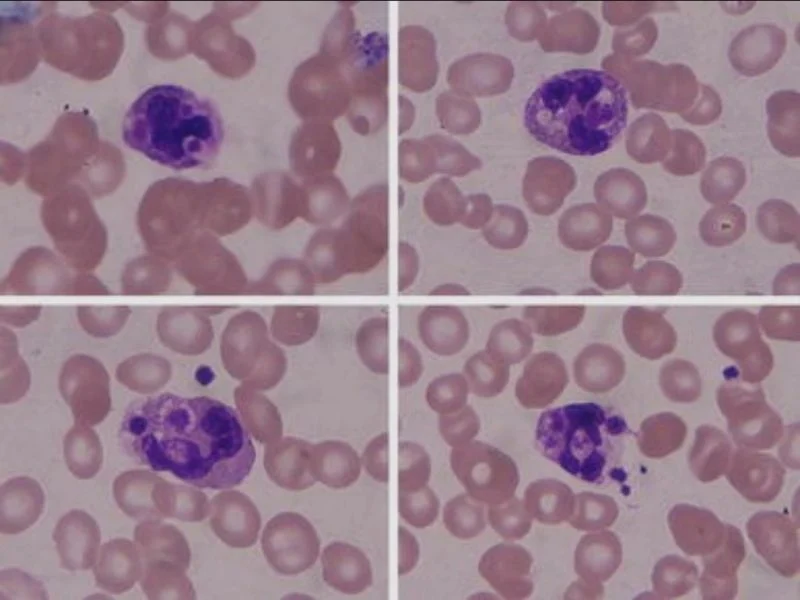
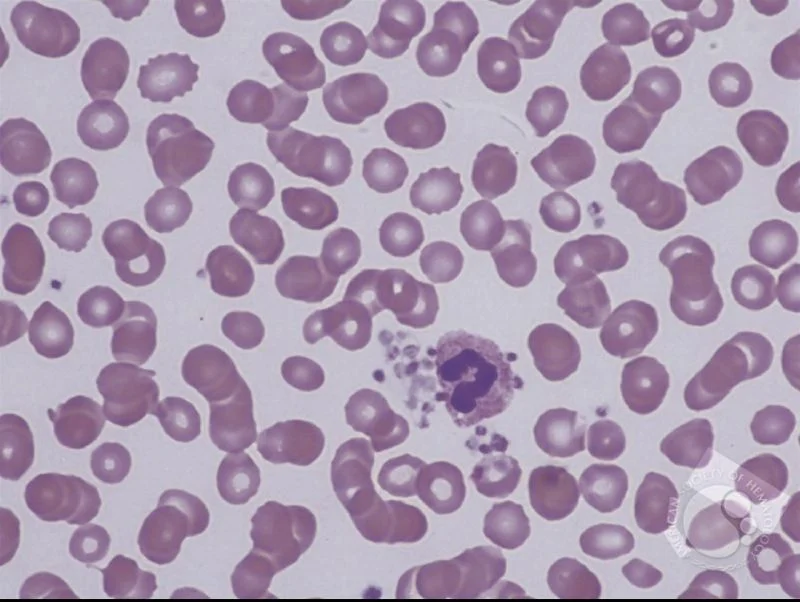
Thrombophagocytosis is a phenomenon in which white blood cells – most commonly Monocytes or Macrophages (histiocytes) – engulf platelets within their cytoplasm.
Microscopic Findings
- Platelets are observed inside the cytoplasm of macrophages or histiocytes
- Commonly associated with thrombocytopenia (low platelet count)
Pathophysiology:
Thrombophagocytosis results from severe immune system activation, leading to excessive macrophage activation.
Activated macrophages abnormally phagocytose blood cells, including platelets.
Associated Conditions
- Hemophagocytic lymphohistiocytosis (HLH) – most common and clinically significant
- Severe infections (e.g., Dengue fever, EBV, CMV, sepsis)
- Autoimmune diseases (e.g., systemic lupus erythematosus; SLE)
- Certain Hematologic malignancies
Represents a marker of severe immune activation
When found together with:
- Thrombocytopenia
- Multilineage cytopenia
- Persistent fever and hepatosplenomegaly
HLH should be strongly suspected, and further evaluation is urgently required.
HLH and Thrombophagocytosis
Hemophagocytic lymphohistiocytosis (HLH) is a disorder characterized by uncontrolled and severe immune activation.
It results from impaired function of NK cells and cytotoxic T lymphocytes, leading to:
- Failure to regulate immune responses
- Persistent activation of macrophages
- In HLH, macrophage activation is excessive and sustained
Activated macrophages perform hemophagocytosis, engulfing various blood cells:
- Platelets – Thrombophagocytosis
- Red blood cells – Erythrophagocytosis
- White blood cells – Leukophagocytosis
Therefore, thrombophagocytosis is one of the characteristic morphologic findings in HLH and supports the diagnosis when correlated with clinical and laboratory features.”
Other posts featuring Seema Dawood on Hemostasis Today.
-
Sep 23, 2026, 12:16Apurva Popat: When Heparin Triggers Thrombosis
-
Sep 23, 2026, 12:14Zahra Ghasemi: The Power of Voluntary Blood Donation
-
Sep 23, 2026, 12:04Leo Nicolai: Activated Platelets Get Trapped in the Spleen During Thrombosis
-
Sep 23, 2026, 12:01Francisco Chacón-Lozsán: Rethinking PE Risk in 2026
-
Sep 23, 2026, 11:58Ifeanyichukwu Ifechidere: Factor V Leiden Requires Context Beyond the Genetic Result
-
Sep 23, 2026, 11:35Martina Wolff: How Platelet Membrane Protrusions Shape Hemostasis and Thrombosis
-
Sep 23, 2026, 11:28Alejandro González Veliz: Ultrashort DAPT After PCI May Reduce Bleeding Without Increasing Overall Ischemic Events
-
Sep 23, 2026, 11:17High DOAC Adherence After Stroke – International Journal of Stroke
-
Sep 23, 2026, 11:08John Cush: Do JAK Inhibitors Increase VTE Risk After Joint Replacement?