


Shorna B.: How Cell Jump Changes Blood Donation Education
Shorna B., Founding Director of Sickle Synced CIC, shared a post on LinkedIn:
“Ever thought that you can play and learn about blood donation all at once?
Cell Jump is the game for that.
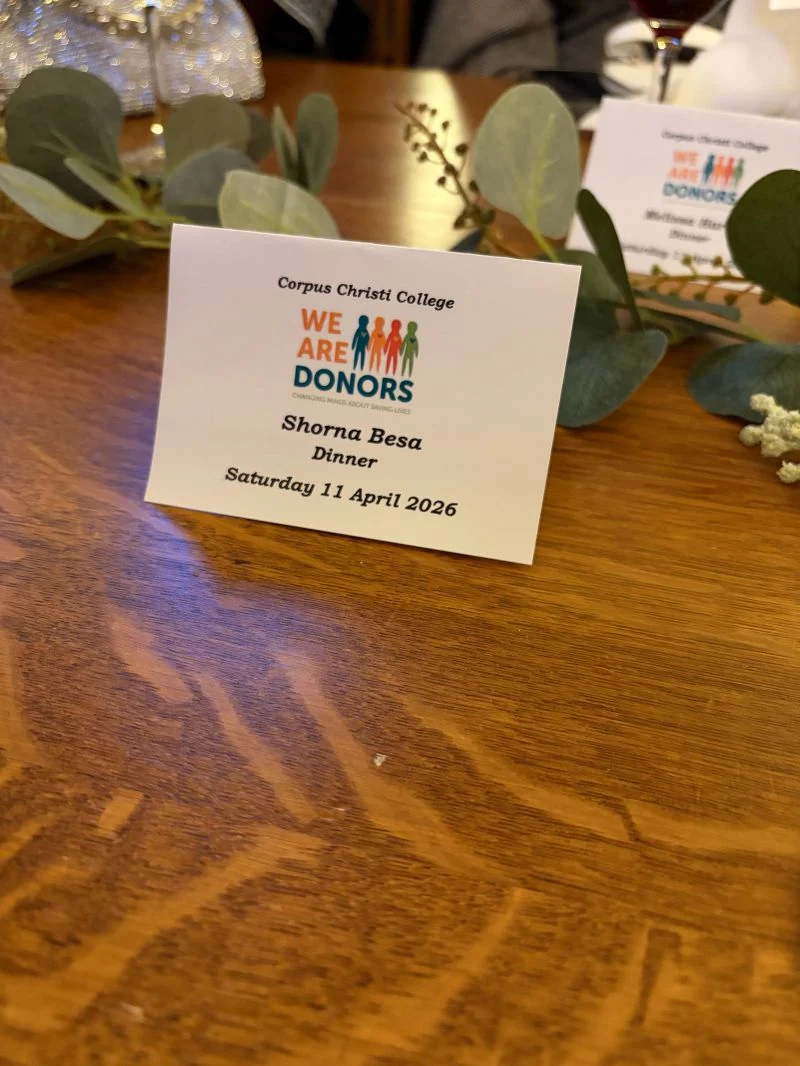
I attended We Are Donors game launch Gala to be one of the first to try it out.
Cell jump tells a story that engages players, whilst you literally play to save a patients’ life.
Gamifying blood donation makes it universally easier to understand, which is important for blood donors.
Playing the game could encourage you to donate blood more than words otherwise could.
Many individuals need blood transfusions, but these groups were highlighted that evening:
- Some individuals with Sickle Cell need blood transfusions regularly to remain as well as possible.
- Some cancer patients need blood transfusions alongside their treatment.
You can be a part of saving their lives if you decide to donate your blood.
But before you do, you can now play Cell Jump to start the blood donation journey before you really donate!
Cell Jump is now available on the app store and google play.
Share this with your network so they can download the game too!”

Stay updated with Hemostasis Today.


-
Oct 2, 2026, 12:50Ravi C Dara: ADHAR 2026 – Red Cell Exchange in Sickle Cell Disease
-
Oct 2, 2026, 12:37David McIntosh: WeDonate Partners with Dr. Martens to Reward UK Blood Donors
-
Oct 2, 2026, 12:31Ahmed Salah El-Deen: HELLP Syndrome – An Obstetric Emergency
-
Oct 2, 2026, 12:28Swapnil Hiremath: Transitioning from Idiopathic Thrombocytopenia to Antiphospholipid Syndrome in Recurrent Severe Preeclampsia
-
Oct 2, 2026, 12:08Austin Camp: Learn How to Treat HIT from an ICU Pharmacist in 60 Seconds!
-
Oct 2, 2026, 12:02Fahad Laghari: Flow Diversion for a Cavernous Internal Carotid Artery Aneurysm
-
Oct 2, 2026, 12:02Archil Jaliashvili: Exploring BHOC as a Complementary Oxygen-Delivery Strategy
-
Oct 2, 2026, 11:57Cornelia Elena Predoi: Peri-Interventional Prophylactic Plasma Transfusion in Anaesthesia and Critical Care
-
Oct 2, 2026, 11:41Daniel Pereira Monteiro: Why HbA1c Fails in Hemoglobinopathies – Modern Glycemic Monitoring and Therapeutic Approaches