

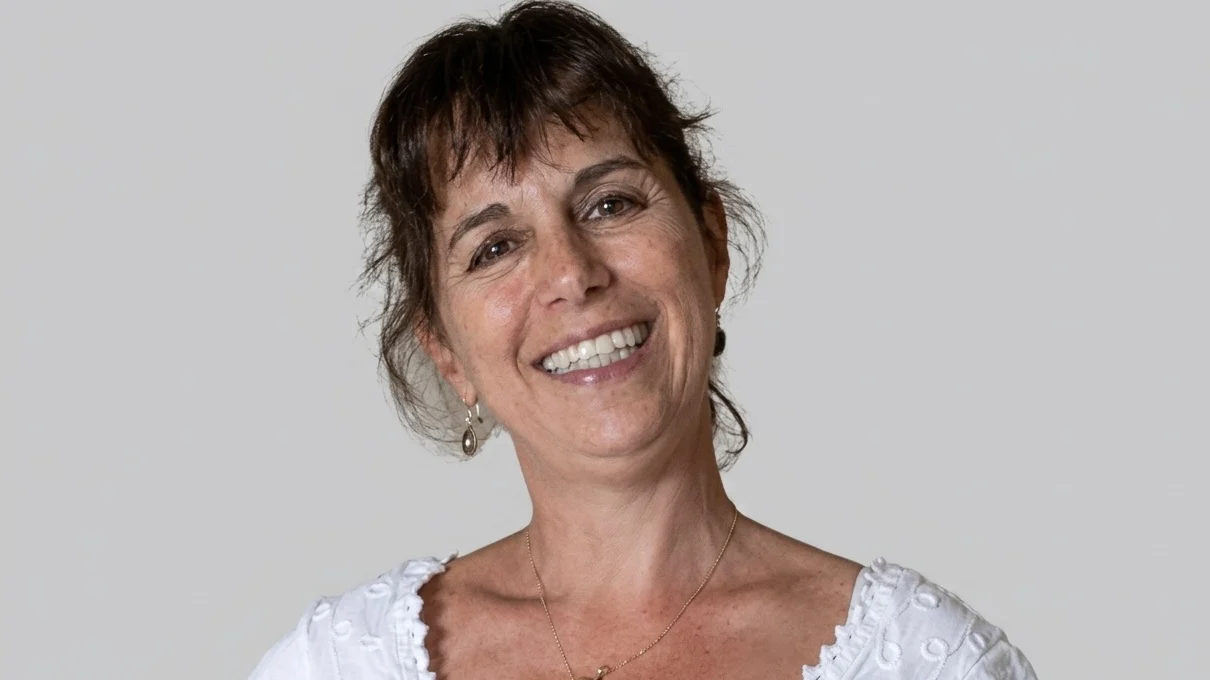
Silvina Graña: Helping Families Better Understand Hemophilia and Daily Life With Bleeding Disorders
Silvina Graña, Clinical Psychologist and Psychoanalyst at Fundación de la Hemofilia de la Argentina, shared World Federation of Hemophilia‘s a post on LinkedIn:
“For families and children living with a bleeding disorder, understanding the condition, treatments, and daily life with hemophilia is crucial.
For years, I’ve used Frederica‘s wonderful material in my practice and in psychoeducational workshops with both families and healthcare professionals.
I’m delighted to have this updated version.
I encourage everyone to take a look at this resource—it’s well worth it!”
World Federation of Hemophilia (WFH) shared a post on LinkedIn:
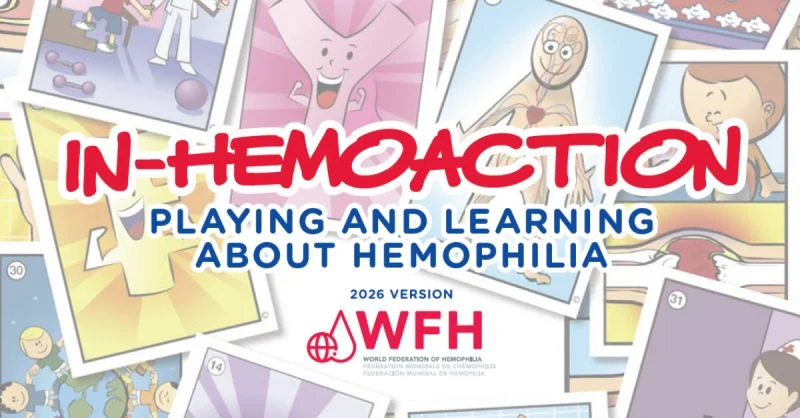
“Learn about hemophilia through play, now with an updated version!
The In-HemoAction card game helps children and families learn about bleeding disorders in a fun, easy-to-understand way. Through interactive cards, players explore topics like bleed prevention, treatment, and daily care.
What’s new:
The updated version is now available for download and printing in select languages on the WFH eLearning platform.”
Stay updated with Hemostasis Today.
-
Oct 8, 2026, 11:06Houman Khosravani: Stroke and Thrombosis – Bridging Neurology and Hemostasis
-
Oct 8, 2026, 04:28Jeff Molter: Electrophysiological PIEZO1 Analysis Advances Diagnosis in Hereditary Xerocytosis
-
Oct 8, 2026, 04:23Barbara Adams Krolak: Women and Blood Clots Are We Missing the Warning Signs
-
Oct 8, 2026, 04:10Rutendo Muzambi: Hospital Admission Patterns and Care Disparities in Sickle Cell Disease
-
Oct 8, 2026, 03:50Olfat Berro: Redefining the Future of Haemophilia A
-
Oct 8, 2026, 03:35Tasnia Tarana: Heavy Menstrual Bleeding When the Cause Is Not in the Uterus
-
Oct 8, 2026, 03:28Kian Haseli: Electrophysiological PIEZO1 Analysis Advances Diagnosis in Hereditary Xerocytosis
-
Oct 8, 2026, 03:20Sthanu Subramanian: Leukopenia in Sepsis A Marker of Severe Disease
-
Oct 7, 2026, 16:44Amor Salah: 2026 NCS/SCCM Guidelines for Managing Antithrombotic-Associated ICH