


Tejas Ahire: Rh Incompatibility – A Small Blood Group Difference with Big Clinical Impact
Tejas Ahire, Junior Officer in Downstream Process at Hetero Biopharma, shared a post on LinkedIn:
“Rh Incompatibility: A Small Blood Group Difference with Big Clinical Impact
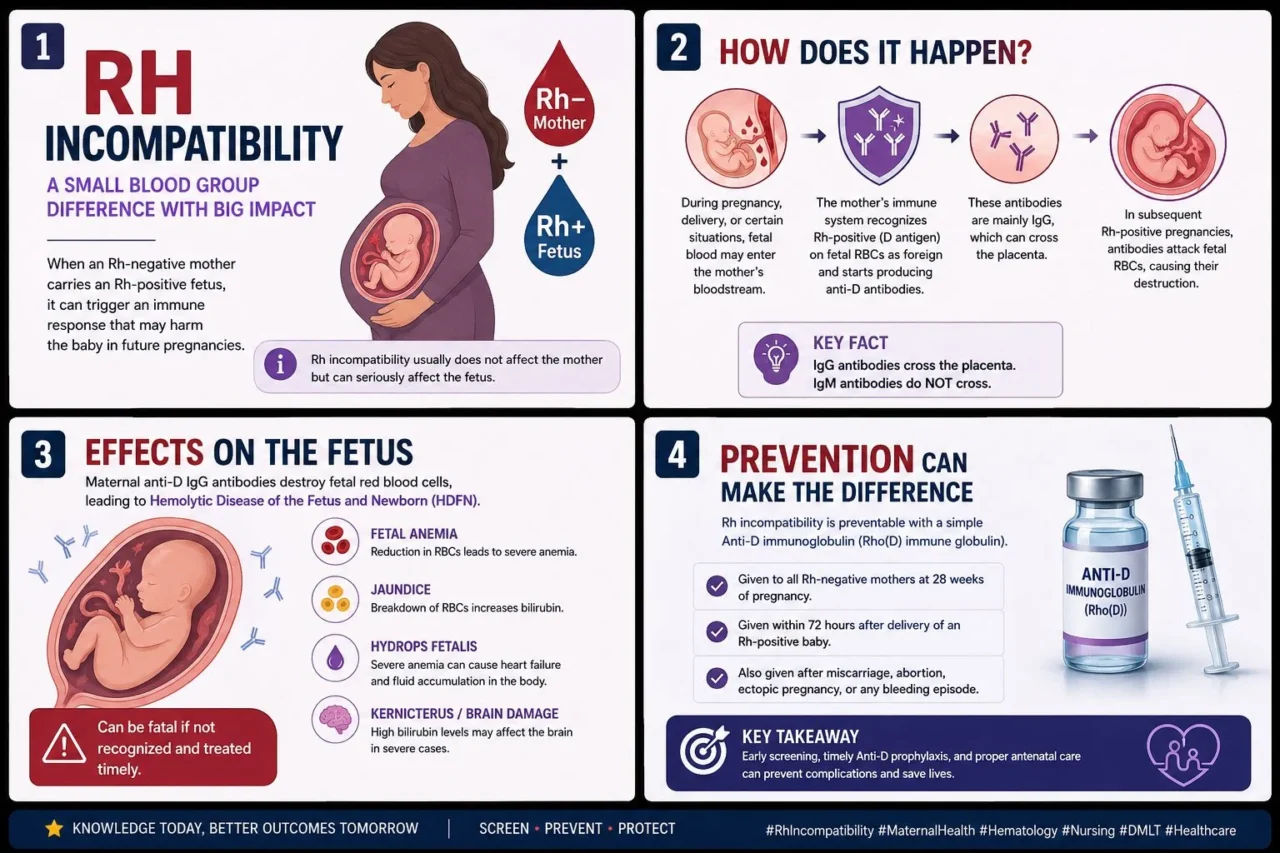
Rh incompatibility occurs when an Rh-negative mother carries an Rh-positive fetus.
During pregnancy, the mother’s immune system may develop antibodies against fetal red blood cells, which can affect future Rh-positive pregnancies.
Key points:
- First pregnancy is usually unaffected
- IgG antibodies can cross the placenta
- May cause fetal anemia, jaundice, and severe complications
- Anti-D immunoglobulin is highly effective in prevention
Understanding this mechanism highlights the importance of antenatal screening and timely preventive care.
As healthcare professionals and students, knowing the science behind Rh incompatibility helps us appreciate how early intervention can save lives.
Did you know that a simple Anti-D injection can prevent most cases of Rh incompatibility?”
Stay updated with Hemostasis Today.
-
Oct 26, 2026, 16:16Wendy Jean Schell: How Genetics and Supplements May Influence Bleeding Risk
-
Oct 26, 2026, 15:37Sally Mandour: Lupus Anticoagulant-The Tree Key Diagnostic Criteria
-
Oct 26, 2026, 15:37Aryabhatta Sadhu: Intrauterine Red-Cell and Platelet Transfusion in Fetal Medicine
-
Oct 26, 2026, 15:25Christine Tunkl: Telestroke – Expanding Access to Evidence-Based Stroke Care
-
Oct 26, 2026, 15:13Heghine Khachatryan: Approaching Thrombocytopenia Through Mechanism and Clinical Context
-
Oct 26, 2026, 15:03Quentin Eichbaum։ AABB 2026 Annual Meeting Personal Highlights
-
Oct 26, 2026, 14:57A Father’s Marathon Journey Inspired by His Son – National Bleeding Disorders Foundation
-
Oct 26, 2026, 14:48Fran Huelsmeyer: The Clinical Importance of Blood Donation in Maternal Care
-
Oct 26, 2026, 14:45Maria Elisa Mancuso: Shaping the Future of Hemophilia Care with Patients