


Feb 2, 2026, 17:14
Vivek Mahto: Understanding Deep Vein Thrombosis – Causes, Symptoms, and Prevention
Vivek Mahto, OT Nurse at People’s Hospital and University, shared a post on LinkedIn:
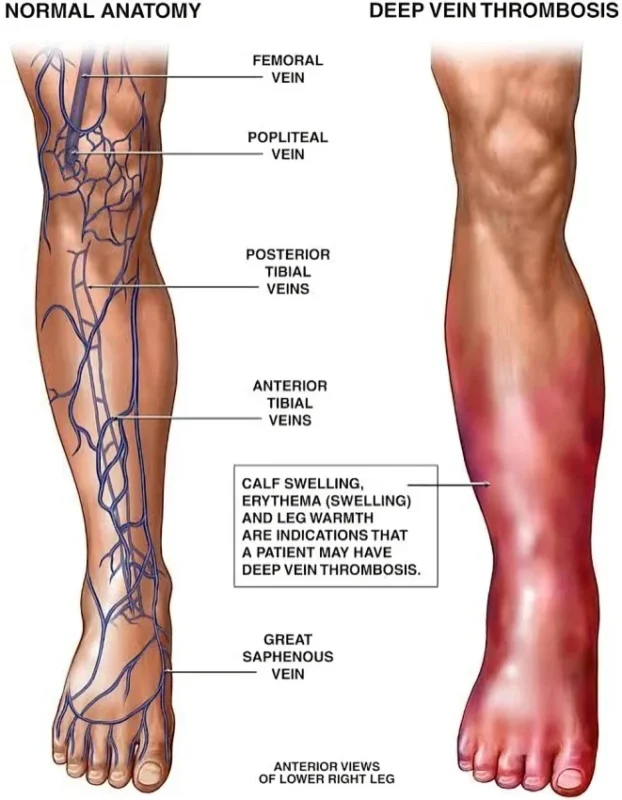
“Deep Vein Thrombosis (DVT) is the formation of a blood clot (thrombus) in a deep vein, most commonly occurring in the legs (calf or thigh).
Causes (Risk Factors);
- Prolonged immobility (bed rest, long travel)
- Surgery or trauma (especially orthopedic surgery)
- Pregnancy and postpartum period
- Obesity
- Smoking
- Oral contraceptives / hormone therapy
- Cancer
- Previous history of DVT
Signs and Symptoms:
- Swelling of the affected leg
- Pain or tenderness (often in calf)
- Warmth over the area
- Redness or discoloration
- A heavy feeling in the leg
Note: DVT can sometimes be asymptomatic.
Complication: Pulmonary Embolism (PE):
If the clot breaks and travels to the lungs, it can be life-threatening. Symptoms of PE include:
- Sudden shortness of breath
- Chest pain
- Cough (may have blood)
- Rapid heart rate
Diagnosis:
- D-dimer blood test
- Doppler ultrasound (most common)
- Venography (rare)
- CT / MRI (in special cases)
Treatment:
- Anticoagulants (Heparin, Warfarin, DOACs)
- Thrombolytic therapy (for severe cases)
- Compression stockings
- Inferior vena cava (IVC) filter (if anticoagulants are contraindicated)
Prevention:
- Early ambulation after surgery
- Leg exercises
- Compression stockings
- Adequate hydration
- Prophylactic anticoagulants for high-risk patients
Nursing Care (Important):
- Do NOT massage the affected limb
- Monitor for signs of PE
- Administer anticoagulants as prescribed
- Encourage mobility (as advised)
- Educate patients about medication compliance.”
Stay updated with Hemostasis Today.
-
Sep 23, 2026, 06:07Hoori Shahwar: Cerebral Venous Sinus Thrombosis Diagnosis and Management
-
Sep 23, 2026, 06:06Advancing Hemophilia Care and Patient Advocacy in Bangladesh – World Federation of Hemophilia
-
Sep 23, 2026, 05:54Bringing the Global Thrombosis and Haemostasis Community Together in 2027 – ISTH
-
Sep 23, 2026, 04:34David Akande: When Sickle Cell Crises Have No Clear Trigger
-
Sep 23, 2026, 04:13Jean Connors: Safety of Heparin Re-Exposure in Patients with Remote HIT
-
Sep 23, 2026, 04:09Beth Psaila: Applications Now Open for the Gordon Research Conference on Megakaryocytes and Platelets
-
Sep 23, 2026, 03:27Abbie Newton: How Better Data Can Reduce Platelet Wastage
-
Sep 23, 2026, 03:01Suvro Sankha Datta: Rapid Blood Group Genotyping Using Gold Oligo Nanonet Assembly
-
Sep 23, 2026, 02:55Asghar Muhammad: Exploring New Ways to Expand Blood Transfusion Compatibility