

W. Alberto Sifuentes Giraldo: An Overview of Thrombotic Risk and Diagnostic Criteria in Antiphospholipid Syndrome
W. Alberto Sifuentes Giraldo, Rheumatologist at Hospital Nuestra Señora de Sonsoles (Sacyl), shared a post on X:
“Antiphospholipid Syndrome
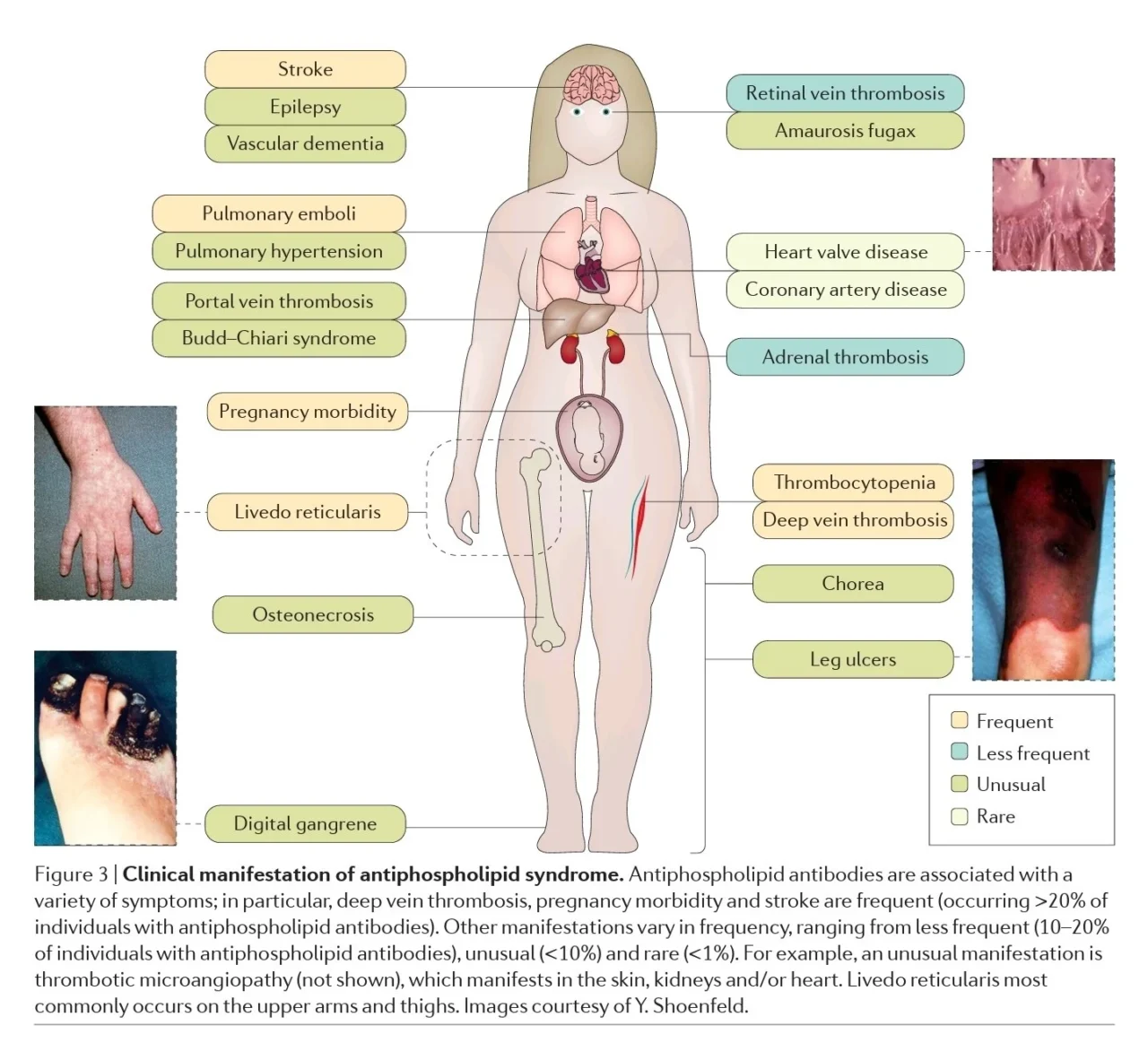
Rare systemic autoimmune disease (prevalence: 50 per 100,000 in females and 9.8 per 100,000 in males) responsible for thrombotic events and obstetric morbidity in individuals with persistent antiphospholipid autoantibodies:
- anticardiolipin antibodies IgG or IgM
- anti-β2-glycoprotein-I antibodies IgG or IgM
- lupus anticoagulants
It is a leading cause of acquired thrombophilia, accounting for 10 percent of arterial or venous thrombosis.
These thrombotic events can lead to acute organ dysfunction or failure, sometimes requiring intensive care unit admission, or can even escalate into a ‘thrombotic storm’ called the catastrophic antiphospholipid syndrome.
Classification criteria for antiphospholipid syndrome have very been updated in 2023 by the American College of Rheumatology (ACR) and the European League Against Rheumatism (EULAR).
These criteria are applicable to patients with at least one positive laboratory test within 3 years of a clinical manifestation.
Clinical manifestation of antiphospholipid syndrome.”
Stay updated with Hemostasis Today.
-
Sep 21, 2026, 11:03Shaurav Bhattacharyya: Honoring the 2026 Lasker Award Winners
-
Sep 21, 2026, 10:41Jamshid Ullah: Recognizing Blood Disorders Through Laboratory Findings
-
Sep 21, 2026, 10:18Mana Alshehri: A New Step Toward Hemophilia B Gene Therapy in Adolescents
-
Sep 21, 2026, 09:52Afreenish Tasadaq: Contributing to Awareness about Bleeding Disorders
-
Sep 21, 2026, 08:49Andrea Bridges: When Support Becomes a Commitment to Give Back
-
Sep 21, 2026, 08:21Managing Thrombotic Risk in Pregnancy
-
Sep 21, 2026, 04:06Allison Lewin: How Gender Shapes the Way We Receive Medical Care
-
Sep 21, 2026, 03:49Jessica Lee: Walking Together for a Stronger Bleeding Disorders Community
-
Sep 21, 2026, 03:36Syed Asif Ali Shah: From Pakistan to Australia – A Clinical Haematology Milestone