


Yousma Khan: Hematology Series – Beyond RBCs, WBCs and Platelets
Yousma Khan, Content Writer, Bachelor at Minhaj University Lahore, shared a post on LinkedIn:
“Hematology Series – Day 4: Beyond RBCs, WBCs and Platelets
The part most students skip, but examiners never do.
After covering RBCs, WBCs and Platelets in 3 days, Day 4 is all about the clinical application that saves lives in the ward.
Here is my complete breakdown for Day 4:
1. Coagulation Cascade – The Core Concept
- PT – Extrinsic Pathway (Factor 7) | Monitors Warfarin
- aPTT – Intrinsic Pathway (Factor 8, 9, 11, 12) | Monitors Heparin
Hemophilia A: Factor VIII deficiency – Prolonged aPTT
Hemophilia B: Factor IX deficiency – Prolonged aPTT
Von Willebrand Disease: Most common inherited bleeding disorder – Defective platelet adhesion.
Quick differential:
- ITP: Isolated low platelets
- TTP: Low platelets, Fever, Renal failure, Neurological changes, Hemolytic anemia
- DIC: Low platelets, Prolonged PT/aPTT, Low fibrinogen
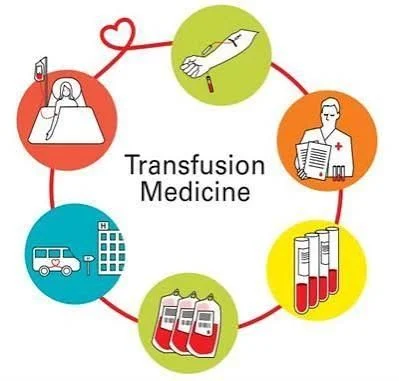
2. Blood Transfusion Medicine
When to transfuse what?
- PRBCs: Hb < 7 g/dL (or <8 with cardiac disease)
- Platelets: <10k prophylactically, <50k with bleeding/surgery
- FFP: Prolonged PT/aPTT with bleeding
- Cryoprecipitate: Low fibrinogen (<100 mg/dL)
Know your reactions: Febrile, Allergic, Acute Hemolytic, TRALI (Transfusion-Related Acute Lung Injury), TACO (Circulatory Overload).
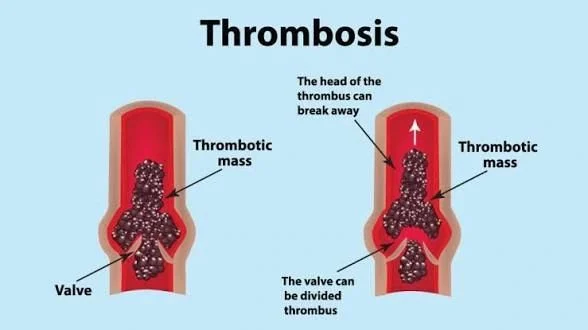
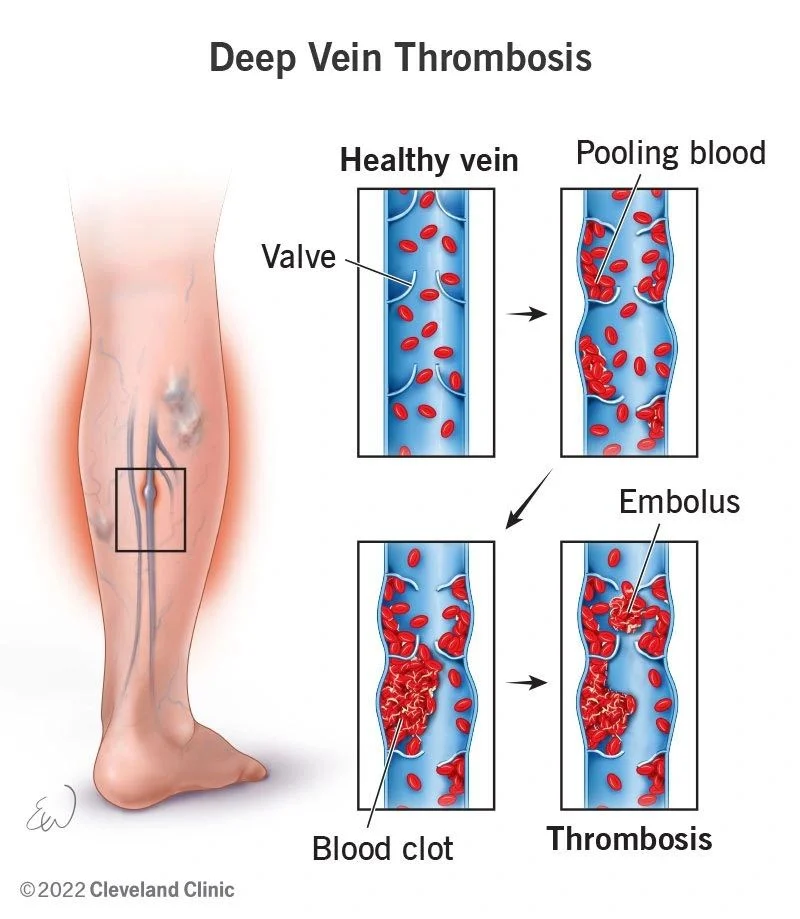
3. Thrombosis and Hypercoagualable States
Virchow’s Triad: Stasis, Endothelial injury, Hypercoagulability.
Major thrombophilias: Factor V Leiden (most common inherited), Protein C/S deficiency, Antithrombin III deficiency, Antiphospholipid Syndrome (Recurrent abortions and arterial/venous clots).
4. 5 Hematologic Emergencies You Must Know
- Febrile Neutropenia: Fever and ANC <500 – Immediate broad-spectrum antibiotics
- Sickle Cell Crisis: Hydration, Oxygen, Analgesia, Transfusion if needed
- Tumor Lysis Syndrome: Post-chemo – Hyperkalemia, Hyperuricemia, Hyperphosphatemia, Hypocalcemia
- Hyperviscosity Syndrome (Multiple Myeloma)
- Heparin-Induced Thrombocytopenia (HIT): Platelet drop >50% after heparin – Stop heparin
My takeaway: Hematology is not just about lab values, it’s about clinical decision making.”
Stay updated with Hemostasis Today.
-
Oct 9, 2026, 14:13Jesus Ardila Novoa: Why the WHO’s Historic Essential Medicines List Decision Is Just the Beginning
-
Oct 9, 2026, 14:07Chokri Ben Lamine: Pain After Allogeneic Stem Cell Transplantation in Sickle Cell Disease
-
Oct 9, 2026, 13:55Chandler Purser: AABB 2026 Focuses on Transfusion Safety and Audit-Driven Practice Improvement
-
Oct 9, 2026, 13:48Maxime Dely: Raising Awareness for Blood Donation
-
Oct 9, 2026, 13:48Vera Ghali: Anemia in Myelofibrosis and Its Impact on Treatment Outcomes and Overall Survival
-
Oct 9, 2026, 13:32W David Freeman։ The Mechanical Penumbra in Intracerebral Hemorrhage and Its Potential for Tissue Recovery
-
Oct 9, 2026, 13:11Ayshathul Noora։ Carbetocin vs Oxytocin in Preventing Postpartum Hemorrhage
-
Oct 9, 2026, 13:07The Rebalanced Patient: New Therapies and New Thrombotic Risks in Hemophilia
-
Oct 9, 2026, 12:48Santiago Cepeda Chafla: CereBleed Simplifies Brain Hemorrhage Assessment