

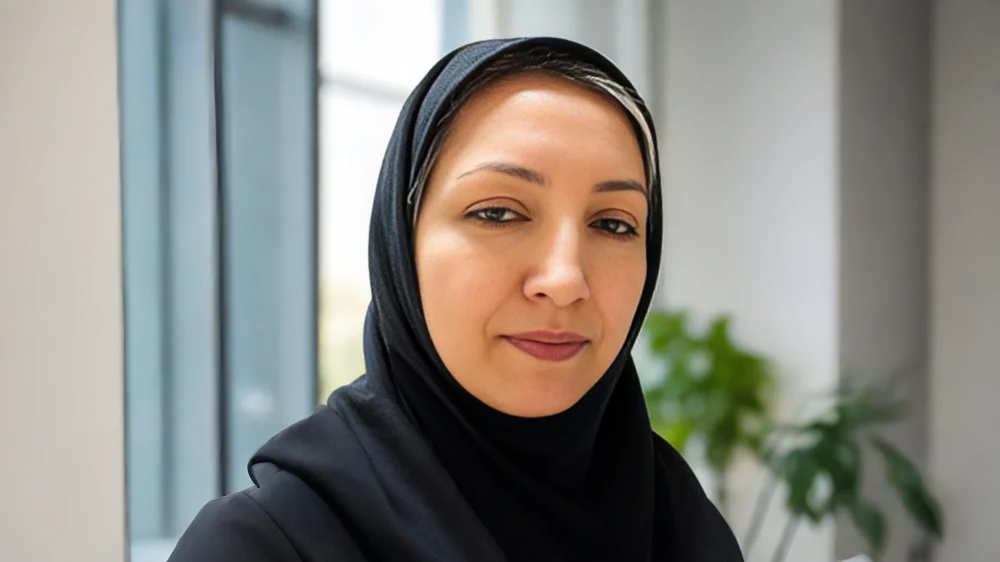
Zahra Safarzadeh: The Critical Role of the Laboratory in Hemophilia Care
Zahra Safarzadeh, Clinical Laboratory Scientist at Shahid Dastgheib Hospital, Shiraz University of Medical Sciences, shared a post on LinkedIn:
”You’re not just looking at a bleeding disorder.
You’re looking at a laboratory challenge.
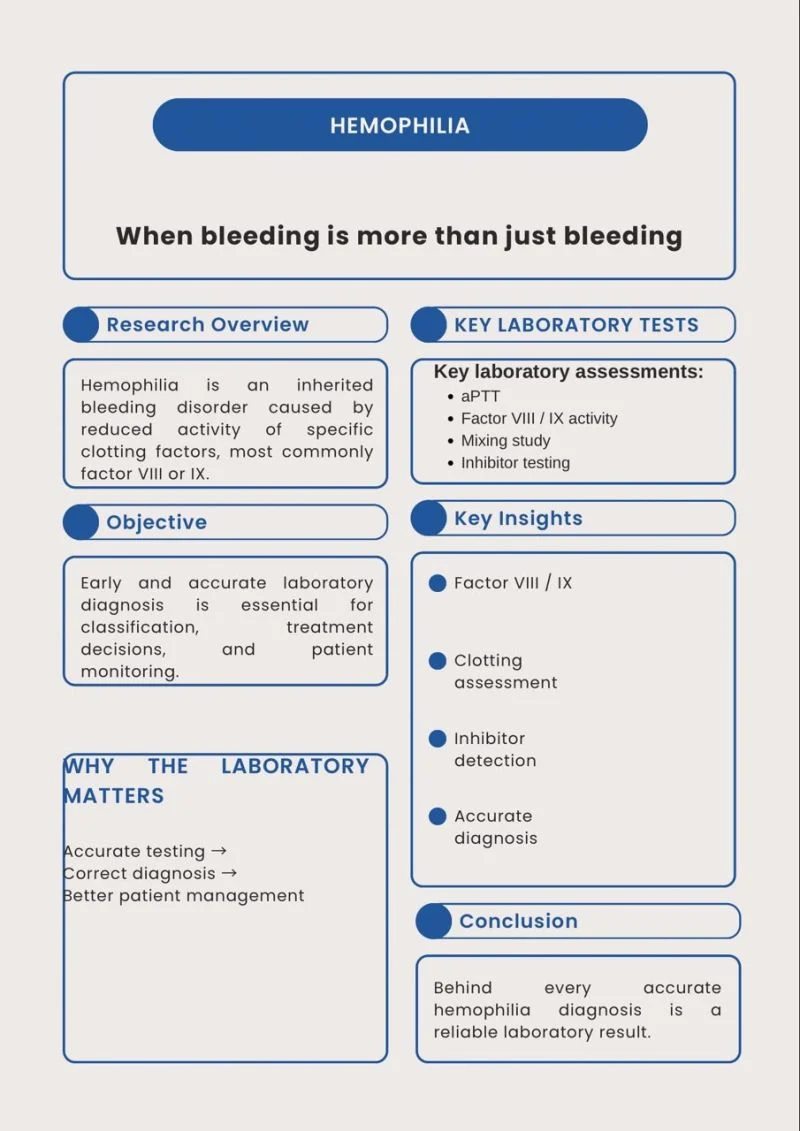
Hemophilia is more than prolonged bleeding.
For laboratory professionals, accurate testing can make a critical difference in diagnosis, classification, and patient management.
Key laboratory assessments include:
- aPTT
- Factor VIII / IX activity
- Mixing studies
- Inhibitor testing
One important lesson from the laboratory:
Accurate testing leads to correct diagnosis, which enables better patient management.
As a Clinical Laboratory Scientist, I believe the laboratory is not simply a place where results are generated.
It is an essential part of the clinical decision-making process.
For laboratory professionals:
Which laboratory aspect of hemophilia do you find most challenging — factor assays, mixing studies, or inhibitor testing?”
Stay updated with Hemostasis Today.
-
Sep 29, 2026, 11:21Richard Davis: Rapid Rescue in Massive Pulmonary Embolism
-
Sep 29, 2026, 11:14Nissan Brown: Every Step Counts for the Hemophilia Community
-
Sep 29, 2026, 11:03Zain Khalpey: SINGLE AF Adds New Evidence to the Anticoagulation Debate
-
Sep 29, 2026, 10:54How Does Haemophilia Affect Motor Development in Infants? – EAHAD
-
Sep 29, 2026, 10:49Alison Davey: The Vital Role of Community Support in Bleeding Disorders
-
Sep 29, 2026, 10:36Abdul Muqtadir Abbasi: 5 Questions to Ask When the CBC Is Abnormal
-
Sep 29, 2026, 10:28Manu Morales Sánchez: DOACs in Intermediate Risk Atrial Fibrillation
-
Sep 29, 2026, 09:59William Sauer: Ablation in Patients With LAAO Devices
-
Sep 29, 2026, 03:53Nahrwan Masaoodi: Iron Deficiency Can Exist Without Anemia