

Asmaa A/LinkedIn
Oct 25, 2025, 07:41
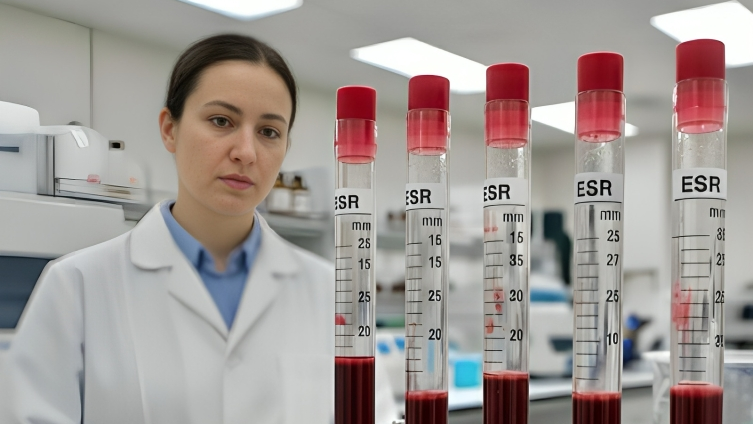
Asmaa A: Common Sources of Error in ESR Testing
Asmaa A, DHA Medical Laboratory Technologis at Al-Ahrar International Hospital, shared a post on LinkedIn:
”ESR (Erythrocyte Sedimentation Rate): Sources of Errors — Increased and Decreased
Even a simple test like ESR can give misleading results if technical or sample-related factors aren’t right.
Here’s what can falsely decrease or increase ESR.
Falsely Decreased ESR
- Abnormal RBC morphology (sickle cells, spherocytes, anisocytosis) → prevents rouleaux formation.
- Polycythemia / Increased blood viscosity → RBCs settle slower.
- Clotted or partially clotted sample → false low ESR.
- Underfilled tube (excess anticoagulant ratio) → alters plasma/RBC balance, lowering ESR.
- Old blood sample → shape changes (spherocytes) reduce sedimentation.
- Low storage temperature → slows down the sedimentation rate.
- Vibration or shaking of the tube (e.g. near centrifuge) → may falsely decrease ESR by disturbing RBC settling.
Falsely Increased ESR
- Hemolyzed sample → may cause unreliable or falsely high results.
- Anemia (low RBC count) → less crowding, faster fall.
- Tube not vertical or tilted → increases ESR.
- High room temperature → increases sedimentation rate.
- Delay in testing (>2 hrs after collection) → RBC shape changes increase rouleaux formation.
- Overfilled tube (insufficient anticoagulant) → ↑ Falsely high ESR
Sometimes the issue isn’t the patient it’s the sample handling!
Always check pre-analytical factors before trusting the numbers.”
Stay updated with Hemostasis Today.
-
Sep 25, 2026, 14:54James Fildes: Modeling Device Related Thrombosis in Multi Organ Systems
-
Sep 25, 2026, 14:51Platelet Metabolic Reprogramming: How Cellular Energy Drives Thrombosis
-
Sep 25, 2026, 14:46Thomas Maxwell: From Hemophilia Shame to Strength – Walking for Bleeding Disorders
-
Sep 25, 2026, 14:35Sarita Rani Jaiswal: Sharing Basic Science Insights at EBMT HWP 2026
-
Sep 25, 2026, 14:12Managing Breakthrough Bleeds in Hemophilia – National Bleeding Disorders Foundation
-
Sep 25, 2026, 13:50Alejandro González Veliz: Beyond the Golden Hour in Stroke Care
-
Sep 25, 2026, 13:32Gevorg Yaghjyan: Low Drug Levels, Higher Cardiovascular Risk in Lupus
-
Sep 25, 2026, 12:53Bastu Odoka: What Happened to Blood Donation?
-
Sep 25, 2026, 12:43Thomas Dayspring: Reshaping the Biology of Atherosclerotic Plaques with New Therapies