

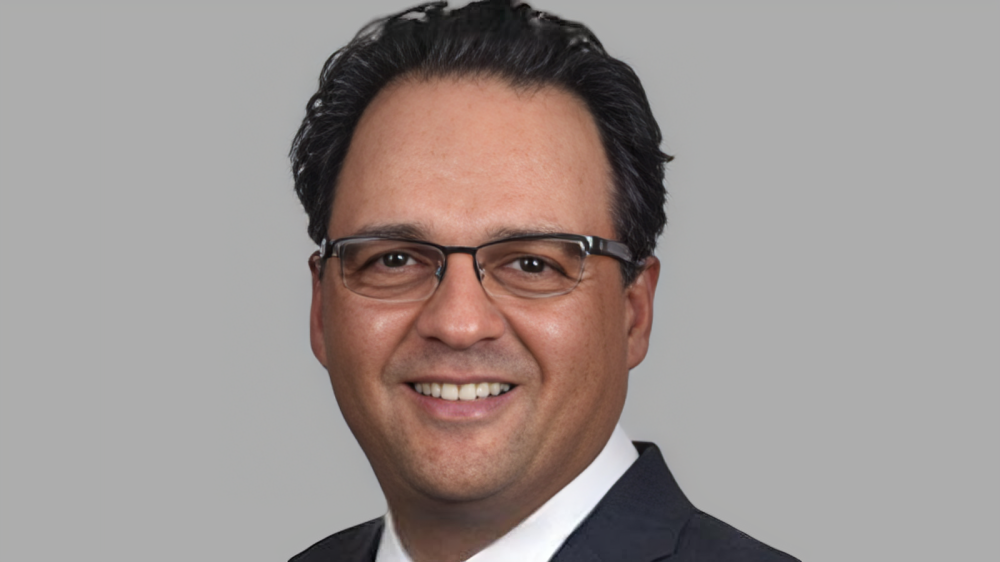
Babak Alex Vakili: Net Clinical Benefit Favors OAC Alone, According to the AQUATIC Trial
Babak Alex Vakili, President and CEO at Heart Vein and Vascular Clinic, shared on LinkedIn:
”For Atrial Fibrillation patients with CAD, who are > 6 months post PCI and who are on OAC (Eliquis, Xarelto) and Aspirin combination, stop aspirin unless strongly indicated (eg recent ACS or stent thrombosis). Net clinical benefit favors OAC alone, according the Aquatic Trial.
NEJM AQUATIC Trial (Oct 23 2025)
- Published in The New England Journal of Medicine
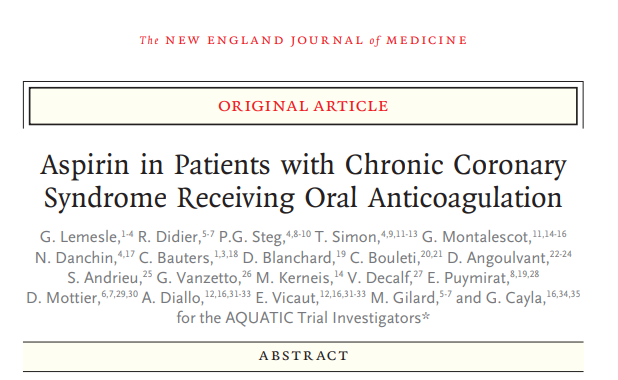
- Title: Aspirin in Patients with Chronic Coronary Syndrome Receiving Oral Anticoagulation
In this double-blind, multicenter French RCT (N = 872), patients with prior PCI and high atherothrombotic risk—all on long-term oral anticoagulation (OAC)—were randomized to OAC + aspirin 100 mg daily vs OAC + placebo.
After a median 2.2 years, the trial was stopped early due to excess deaths in the aspirin arm.
Results:
- Primary composite (CV death, MI, stroke, embolism, revasc, acute limb ischemia): 16.9 % with aspirin vs 12.1 % placebo → HR 1.53 (P = 0.02)
- All-cause death: 13.4 % vs 8.4 % → HR 1.72 (P = 0.01)
- Major bleeding (ISTH): 10.2 % vs 3.4 % → HR 3.35 (P < 0.001)
Oral anticoagulants used:
Apixaban ~60–62 %, Rivaroxaban ~25 %, Dabigatran ~3–5 %, Warfarin ~10 % (≈ 90 % DOACs overall).
Top 5 Takeaways:
- In CCS patients >6–12 mo post-PCI on OAC, adding aspirin increases ischemic events and bleeding without benefit.
- All-cause mortality was significantly higher with OAC + ASA.
- Major bleeding tripled with dual therapy.
- Apixaban was the most common OAC, mirroring real-world practice.
- OAC monotherapy should be the default after the initial post-PCI period unless clear indication for ASA exists.”
Article: Aspirin in Patients with Chronic Coronary Syndrome Receiving Oral Anticoagulation
Authors: Gilles Lemesle, Romain Didier, Philippe Gabriel Steg, Tabassome Simon, Gilles Montalescot, Nicolas Danchin, Christophe Bauters, Didier Blanchard, Claire Bouleti, Denis Angoulvant, Stéphane Andrieu, Gérald Vanzetto, Mathieu Kerneis, Véronique Decalf, Etienne Puymirat, Dominique Mottier, Abdourahmane Diallo, Eric Vicaut, Martine Gilard, Guillaume Cayla
Read full articcle here.
Stay updated on all scientific advances with Hemostasis Today.
-
Oct 4, 2026, 15:06Vasiliki Gkalea: Journal of Clinical Medicine Launches Special Issue on Hematologic Thrombosis and Bleeding
-
Oct 4, 2026, 14:55Quentin Brebant: What Defines a High-Quality Red Blood Cell Concentrate?
-
Oct 4, 2026, 14:47Rana Al-Hrout: Recognizing Non-Anemic Iron Deficiency – Why Iron Matters Beyond Hemoglobin
-
Oct 4, 2026, 14:41David McIntosh: International Plasma Awareness Week 2026 – Closing the Global Plasma Gap
-
Oct 4, 2026, 14:33Pete Stibbs: CleanerVac Real-World Study Presented at VIVA and The VEINS 2026
-
Oct 4, 2026, 13:56Maria Elisa Mancuso: EHC 2026 Highlights the Unmet Needs of Women with Bleeding Disorders
-
Oct 4, 2026, 13:53Nirmal Shaji George: Individualizing Anticoagulation in Complex APS and Thrombocytopenia
-
Oct 4, 2026, 13:5210 Posts Not to Miss This Week
-
Oct 4, 2026, 13:45Suswapna Singh Rawat: The Clinical Significance of Coronary Plaque Stability