


Tomaz Crochemore on Clot-Phenotyping’s Role in Prevention of Irreversible Organ Damage from Fibrinolysis Shutdown
Tomaz Crochemore, Fellow at the University of Zurich, shared on LinkedIn:
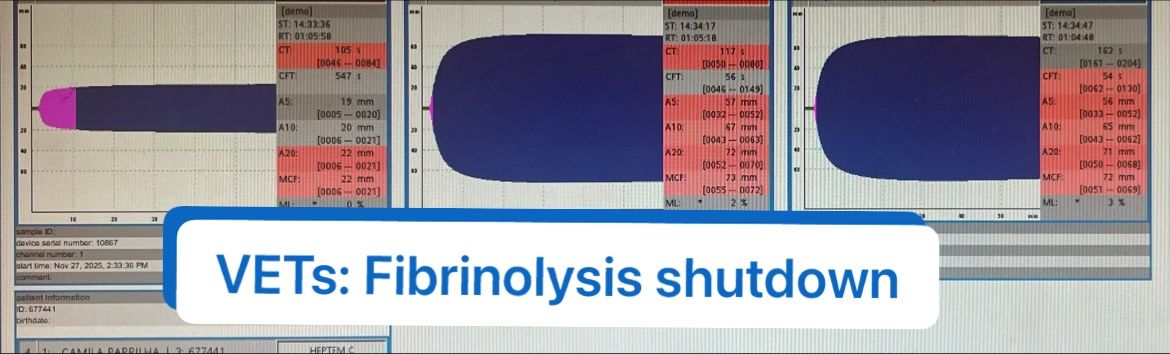
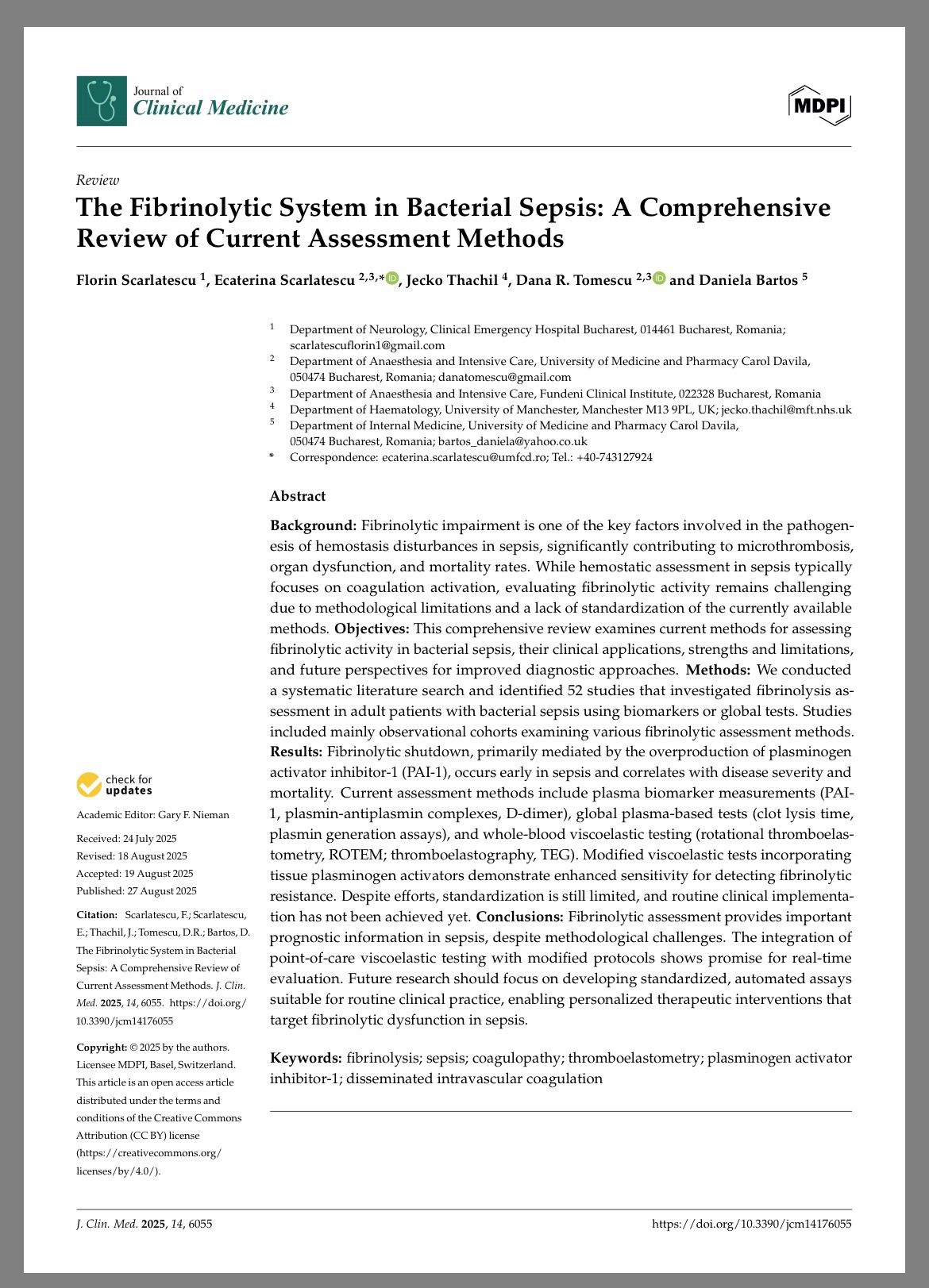
”Fibrinolysis shutdown is one of the most dangerous, and still under-recognized , phenotypes of thrombotic coagulopathy in critical care.
Seen in sepsis with organ dysfunction and in a significant subset of severely injured trauma patients, this hypofibrinolytic state locks the coagulation system in a pro-thrombotic overdrive, promoting microvascular clotting, tissue hypoperfusion, and progressive organ failure.
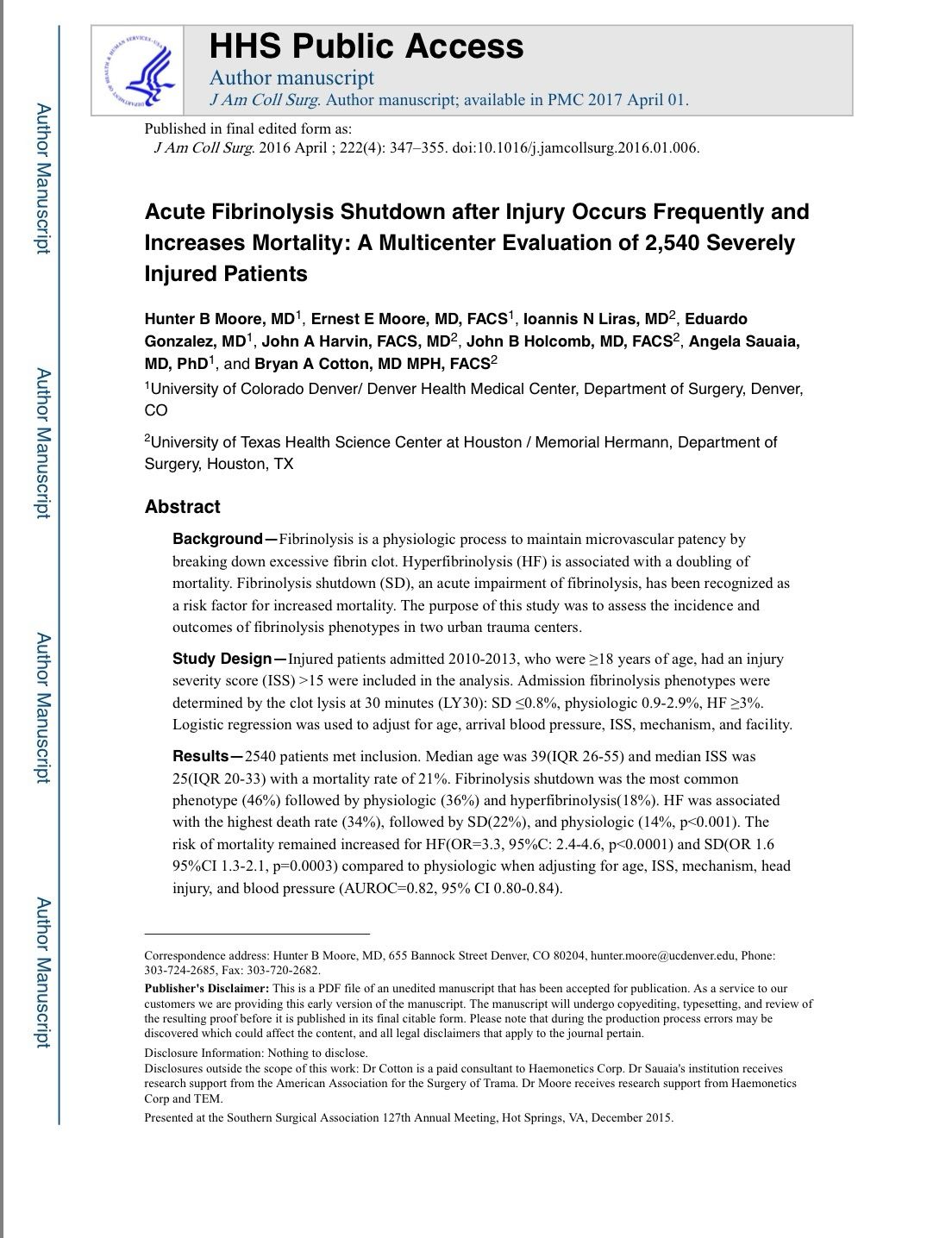
In trauma, patients who develop persistent fibrinolysis shutdown show a dramatically increased risk of death , with some cohorts reporting up to a five-fold rise in mortality compared with those who maintain physiologic fibrinolytic activity.
These data highlight a simple truth:
“we cannot manage what we do not measure”.
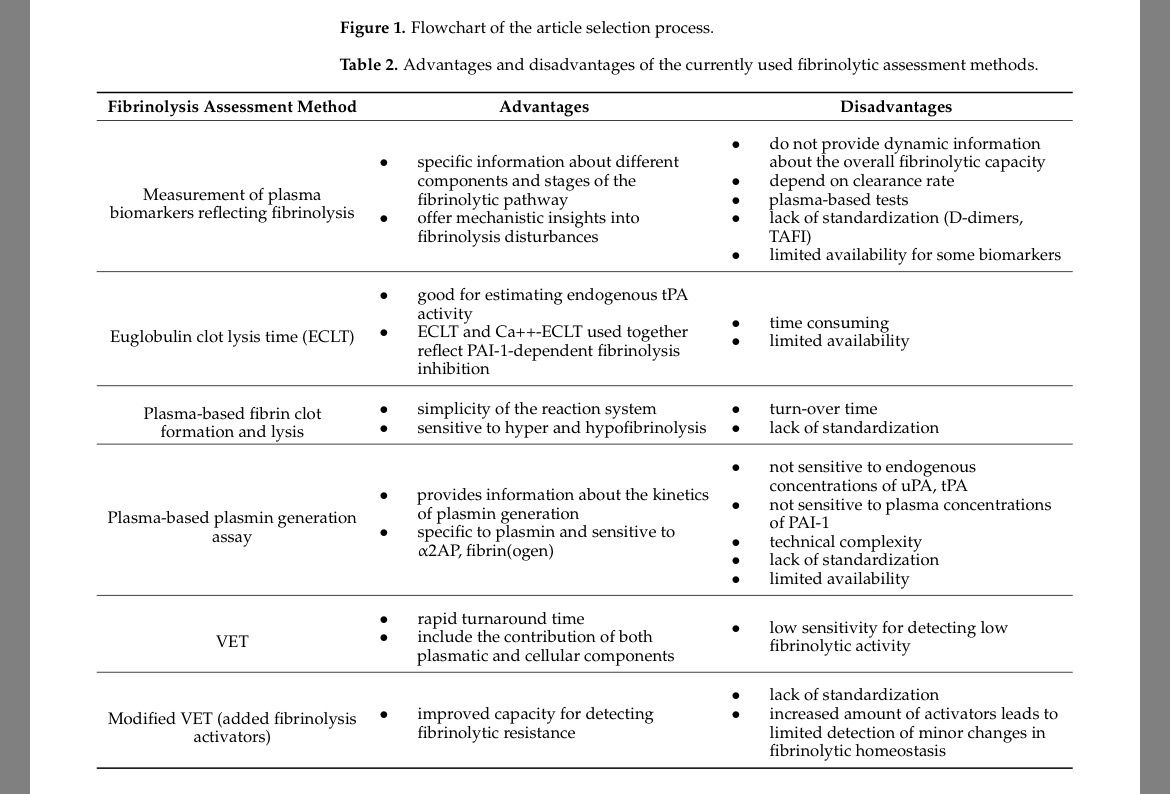
Early recognition through viscoelastic clot-phenotyping is essential to identify patients trapped in this thrombotic, hypofibrinolytic phenotype and to guide precision hemostatic interventions before irreversible organ damage occurs.”

Stay updated with Hemostasis Today.
-
Sep 30, 2026, 15:58Bernhard Merget: New Frontiers in Thrombosis and Stroke Research
-
Sep 30, 2026, 15:39Ifeanyichukwu Ifechidere: The Molecular Orchestra of Primary Hemostasis
-
Sep 30, 2026, 15:28Reassessing the Benefit–Risk Balance of Extended Anticoagulation in Cancer Patients – ESC Working Group on Cardiovascular Pharmacotherapy
-
Sep 30, 2026, 15:07Chiranjeev Sharma: Targeting Factor XIa with the Synthetic Inhibitor SB-01
-
Sep 30, 2026, 14:41Bruna Gigante: Balancing Thrombosis and Bleeding in Cardiovascular Care
-
Sep 30, 2026, 14:13Ashok Choudhury: Portal Vein Thrombosis and Outcomes in Cirrhosis
-
Sep 30, 2026, 13:57Leslye Conde Bazán: When Conventional Imaging Is Not Enough – The Role of IVUS
-
Sep 30, 2026, 13:41Huda Salah Eldin: The Challenge of Balancing Antithrombotic Therapy After PCI
-
Sep 30, 2026, 13:29Abdus Salam: What Can CT Venography Reveal About the Veins?