


Toni Lassila/Loop
Feb 1, 2026, 09:56
Toni Lassila on Computational Models for Predicting Thrombus Formation
Toni Lassila, Lecturer in Computer Science at University of Leeds, shared on LinkedIn:
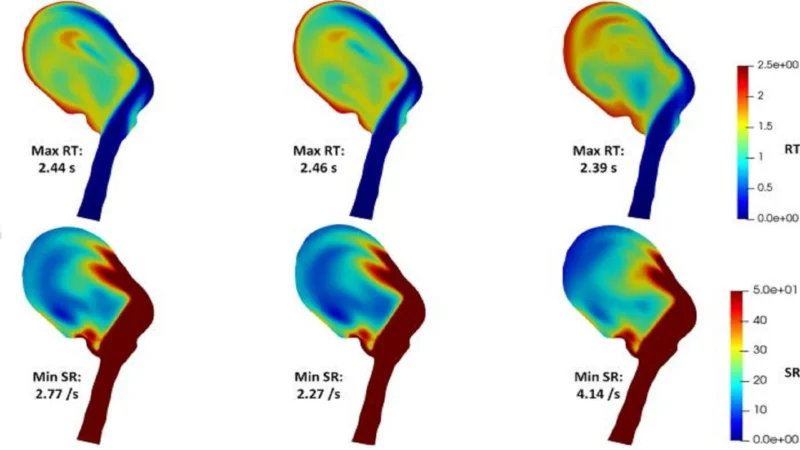
”Research highlight: validating computational models for predicting thrombus formation in brain aneurysms”
Researchers created a simplified model of blood clot formation that is practical for patient-specific simulations and medical device testing.
The model reduces the complexity of traditional thrombus models while retaining key biological mechanisms.
Their study specifically investigated the threshold conditions that trigger clot formation in simulated environments.
Read the full post here.
Stay updated with Hemostasis Today.
-
Sep 30, 2026, 14:13Ashok Choudhury: Portal Vein Thrombosis and Outcomes in Cirrhosis
-
Sep 30, 2026, 13:57Leslye Conde Bazán: When Conventional Imaging Is Not Enough – The Role of IVUS
-
Sep 30, 2026, 13:41Huda Salah Eldin: The Challenge of Balancing Antithrombotic Therapy After PCI
-
Sep 30, 2026, 13:29Abdus Salam: What Can CT Venography Reveal About the Veins?
-
Sep 30, 2026, 13:03Amira Mohy: Diagnostic Flow Cytometry Panels for Hematological Malignancies
-
Sep 30, 2026, 12:52Paul Watton: Could Repetitive Head Impacts Leave a Molecular Memory?
-
Sep 30, 2026, 12:41The Journey to ISTH 2027 Starts in Vancouver
-
Sep 30, 2026, 11:36Basit Ali: A Closer Look at CT Venography
-
Sep 30, 2026, 11:16Christina Pohlman: Could aPL Levels Help Predict Stroke Recurrence?