


Wathsala Manindrani Gives a A Practical Perspective on Red Cell Exchange Transfusion
Wathsala Manindrani, Transfusion Medicine Senior Registrar at National Blood Trasfusion Service, Sri Lanka, shared on LinkedIn:
”Red Cell Exchange Transfusion: Automated vs Manual — A Practical Perspective
Red cell exchange transfusion (RCET) is a powerful therapeutic tool that allows rapid reduction of abnormal red cells while maintaining circulatory stability.
In day-to-day practice, especially in transfusion medicine, we commonly rely on two approaches: automated and manual red cell exchange.
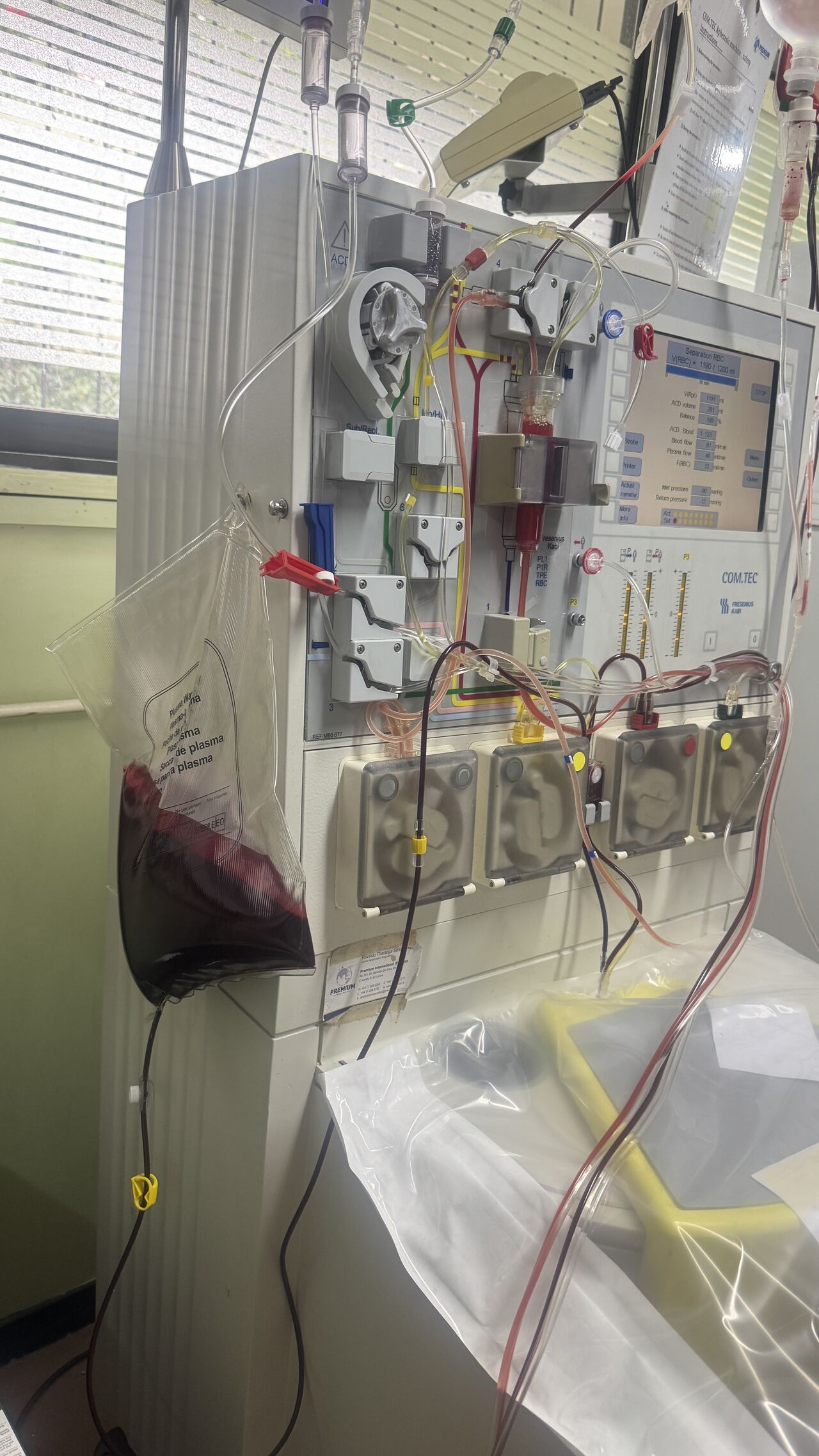
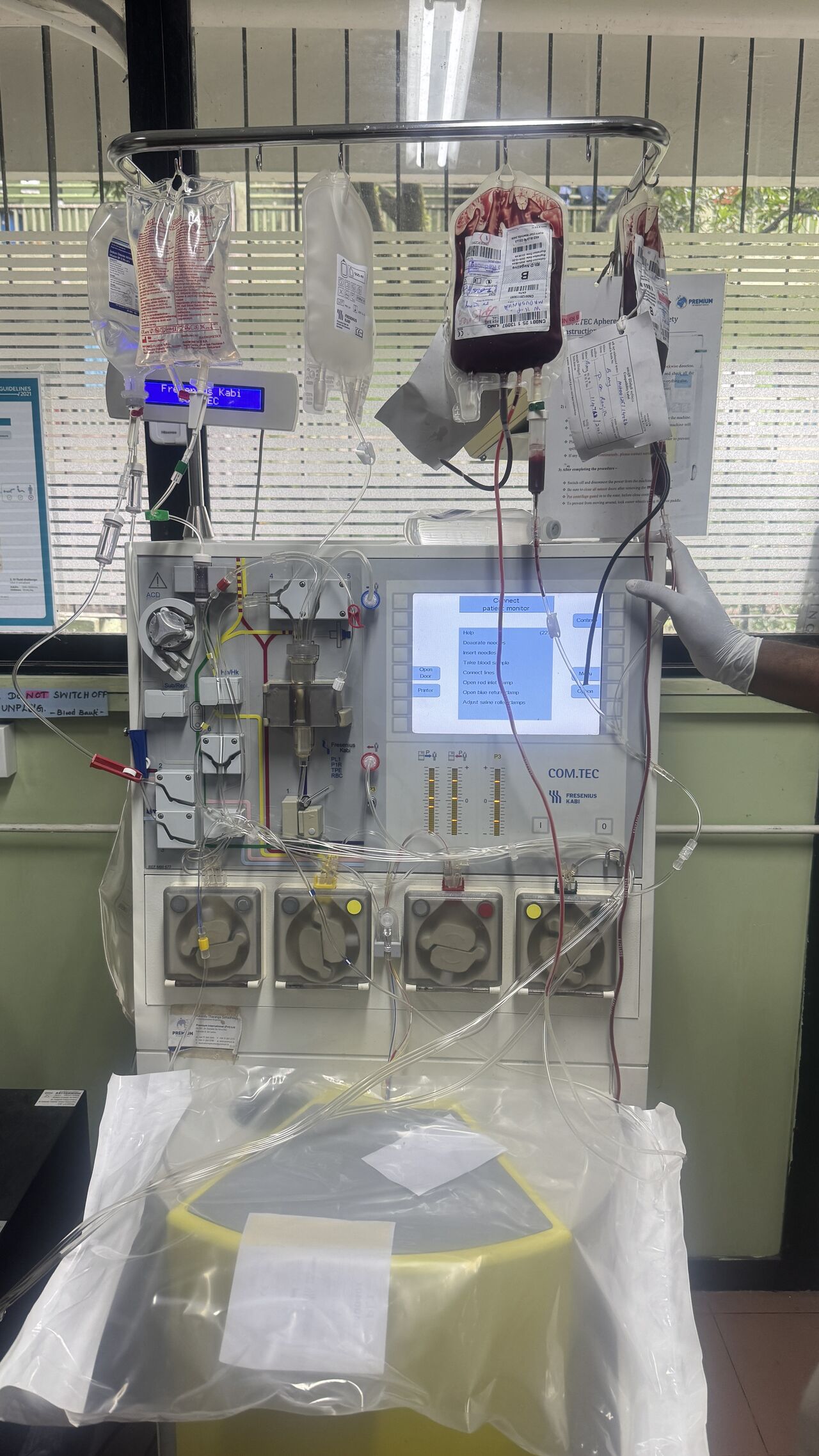
Automated Red Cell Exchange
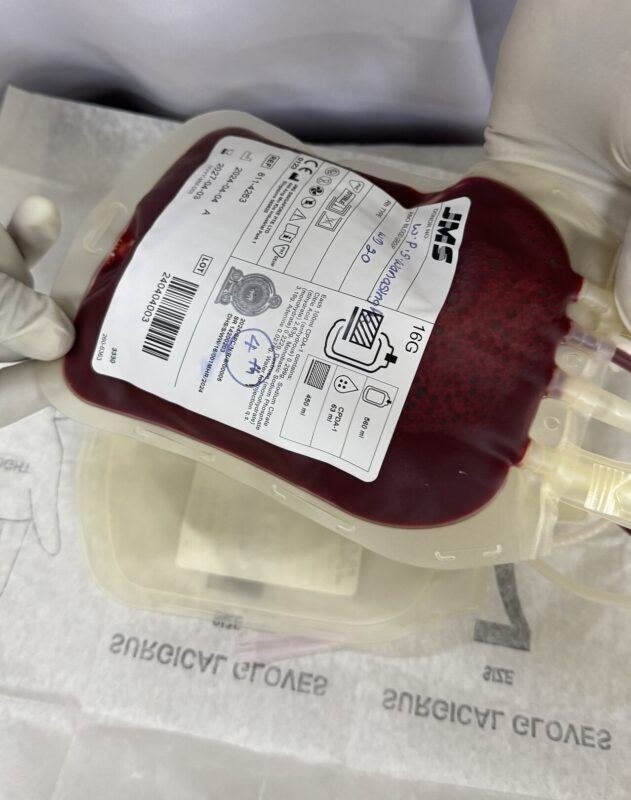
Automated exchange is performed using apheresis cell separators that selectively remove the patient’s red cells and replace them with donor packed red blood cells.
This method offers excellent precision, allowing us to target post-procedure haematocrit and abnormal cell burden accurately.
It is highly efficient, provides better hemodynamic stability, and significantly reduces iron overload when compared to repeated simple transfusions.
However, it requires specialised equipment, trained staff, reliable venous access, and higher resource investment.
Manual Red Cell Exchange
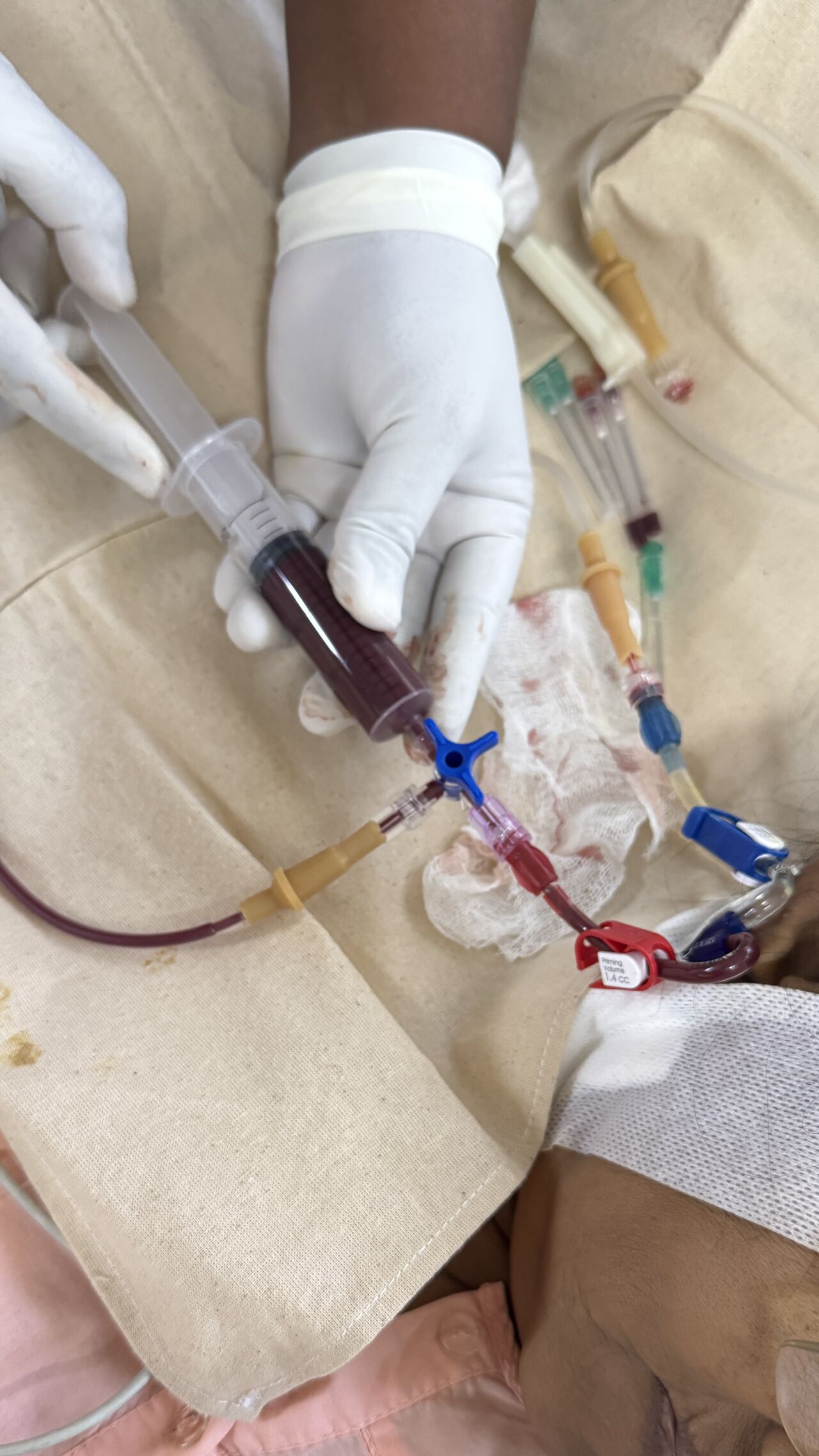
Manual exchange involves sequential phlebotomy followed by transfusion of donor red cells over multiple cycles.
While it is less precise and more time-consuming, it remains an important and practical option in settings where apheresis facilities are not readily available.
In many resource-limited environments, manual red cell exchange continues to be a lifesaving alternative.
Take-home message
Automated red cell exchange is the preferred method whenever resources allow, due to its safety, efficiency, and precision.
At the same time, manual red cell exchange ensures that effective care remains accessible across diverse healthcare settings — reminding us that adaptability is key in transfusion practice.”
Stay updated with Hemostasis Today.
-
Sep 23, 2026, 07:28Isabelle Grenier-Pleau: Targeting Von Willebrand Disease to Transform Women’s Health
-
Sep 23, 2026, 07:07Wolfgang Miesbach: Mechanisms of Liver Injury After Hemophilia A Gene Therapy
-
Sep 23, 2026, 06:24Nicolas Gendron: Everolimus and Venous Thromboembolic Risk in Kidney Transplantation
-
Sep 23, 2026, 06:07Hoori Shahwar: Cerebral Venous Sinus Thrombosis Diagnosis and Management
-
Sep 23, 2026, 06:06Advancing Hemophilia Care and Patient Advocacy in Bangladesh – World Federation of Hemophilia
-
Sep 23, 2026, 05:54Bringing the Global Thrombosis and Haemostasis Community Together in 2027 – ISTH
-
Sep 23, 2026, 04:34David Akande: When Sickle Cell Crises Have No Clear Trigger
-
Sep 23, 2026, 04:13Jean Connors: Safety of Heparin Re-Exposure in Patients with Remote HIT
-
Sep 23, 2026, 04:09Beth Psaila: Applications Now Open for the Gordon Research Conference on Megakaryocytes and Platelets