


Areti Dimakakou: Stroke Rehabilitation Is Not just about Movement
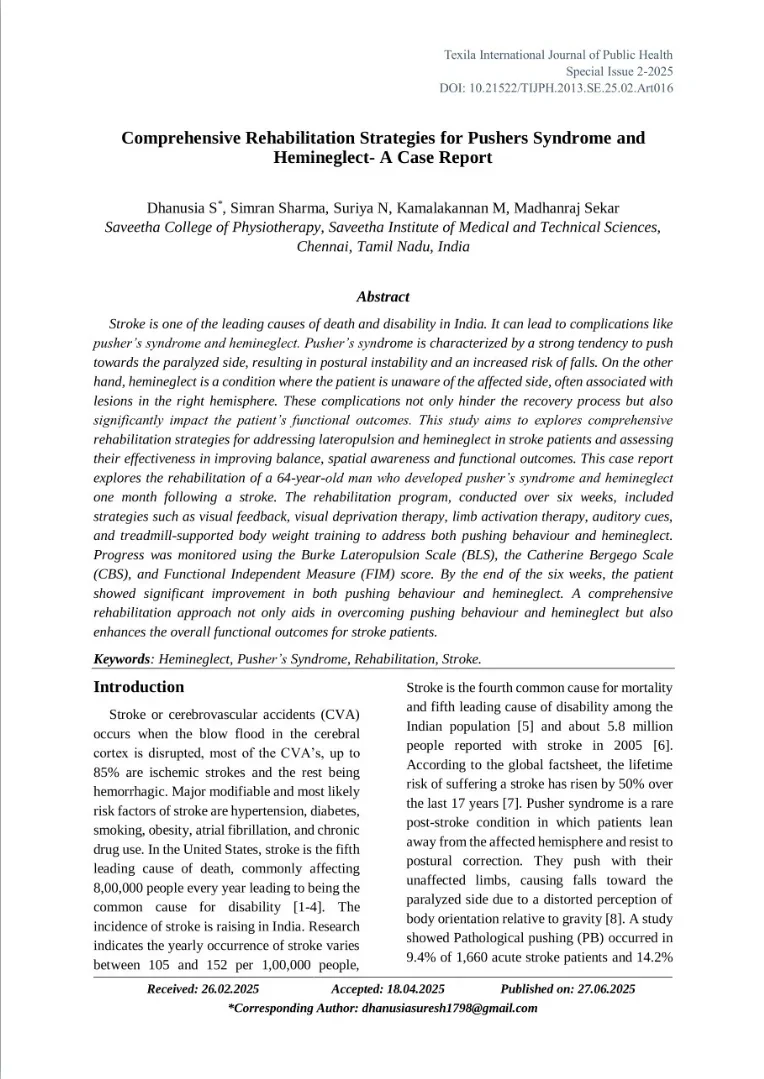
Areti Dimakakou, Physiotherapist at Diaplasis Rehabilitation Center, shared a post on LinkedIn, about resent article by Dhanusia S et al. published in Texila International Journal of Public Health, adding:
“Stroke Rehabilitation is not just about movement.
It’s about perception, awareness, and control.
A recent case report published in the Texila International Journal of Public Health highlights something many clinicians underestimate:
Patients after a stroke may not just be weak — they may be misperceiving their own body in space.
In this case:
A 64-year-old patient developed:
- Pusher Syndrome (a strong pushing tendency toward the affected side)
- Hemineglect (lack of awareness of one side of the body)
- These are not simple motor deficits.
- They are failures of sensory integration and spatial orientation.
What made the difference?
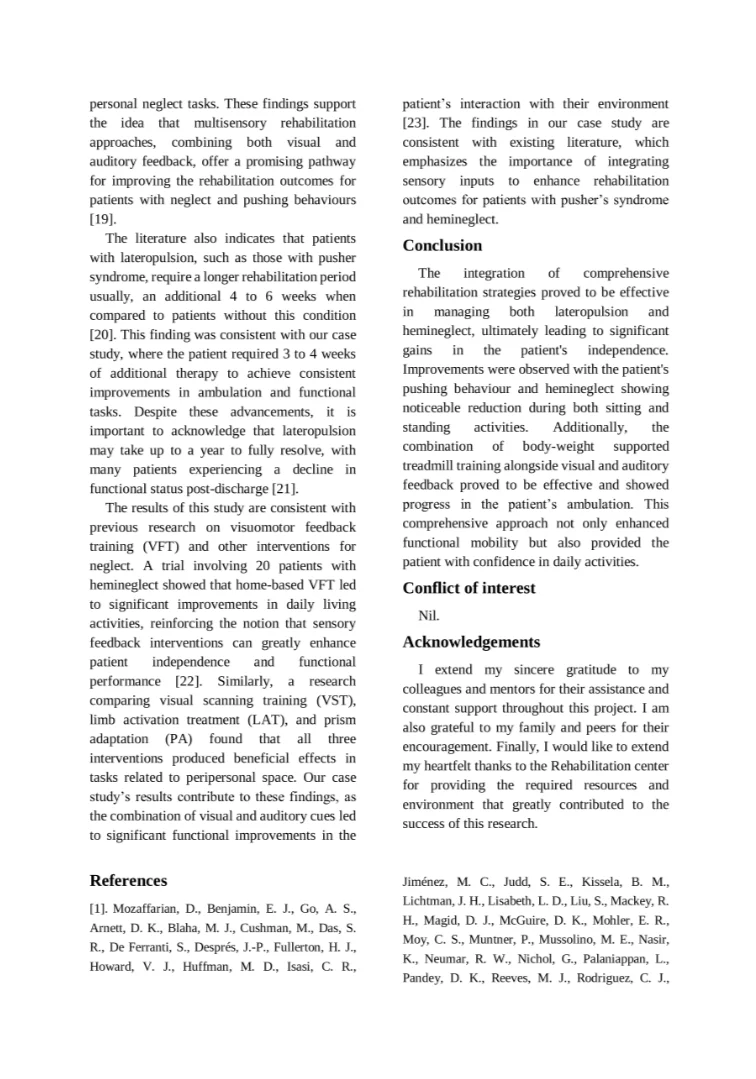
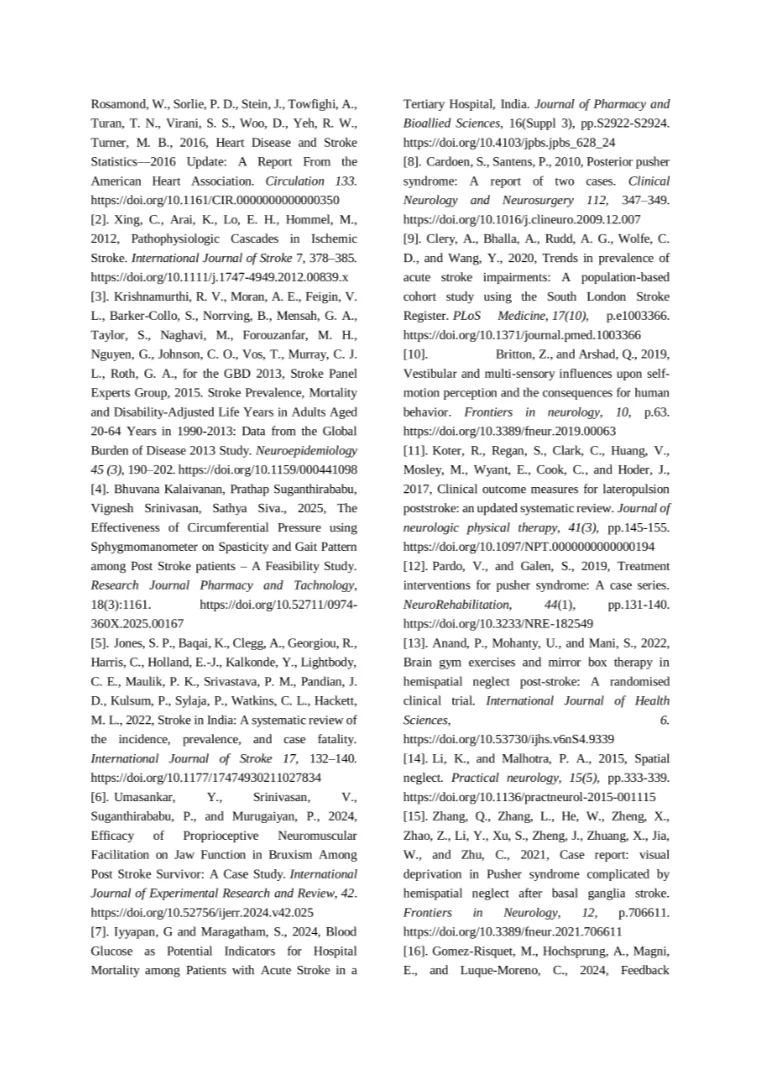
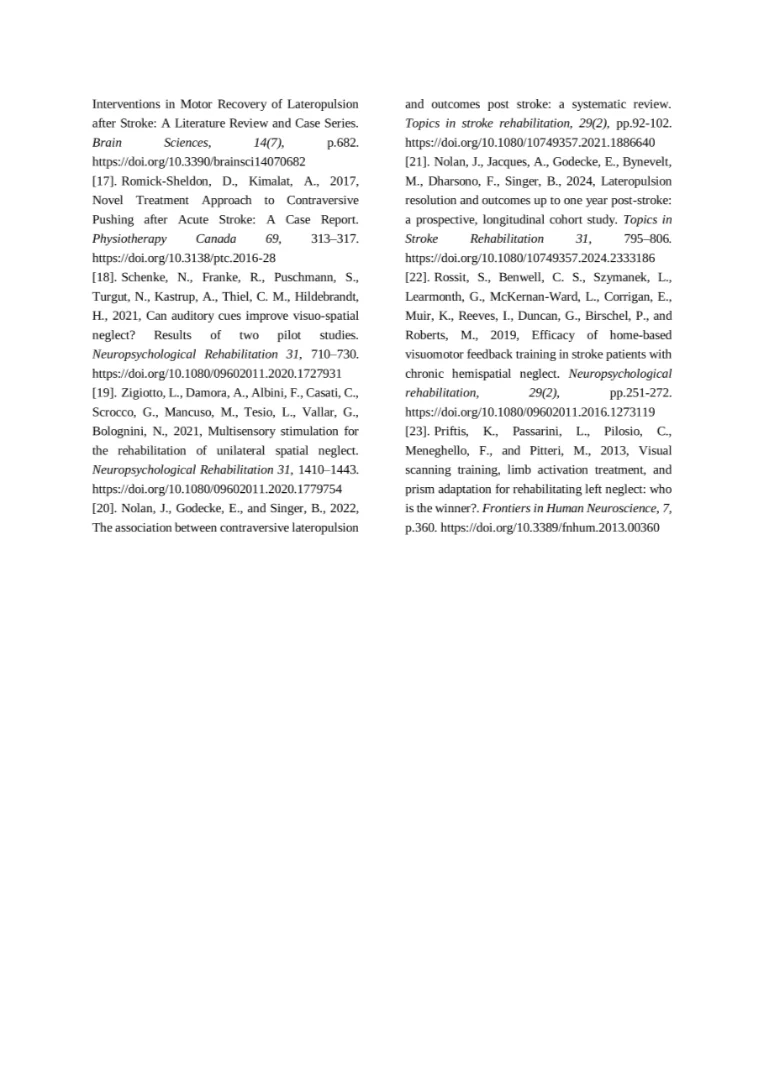
A multimodal rehabilitation approach over 6 weeks that included:
- Visual feedback (mirror therapy)
- Visual deprivation (patching to activate the neglected side)
- Limb activation therapy
- Auditory cues
- Body-weight supported treadmill training
The results were impressive:
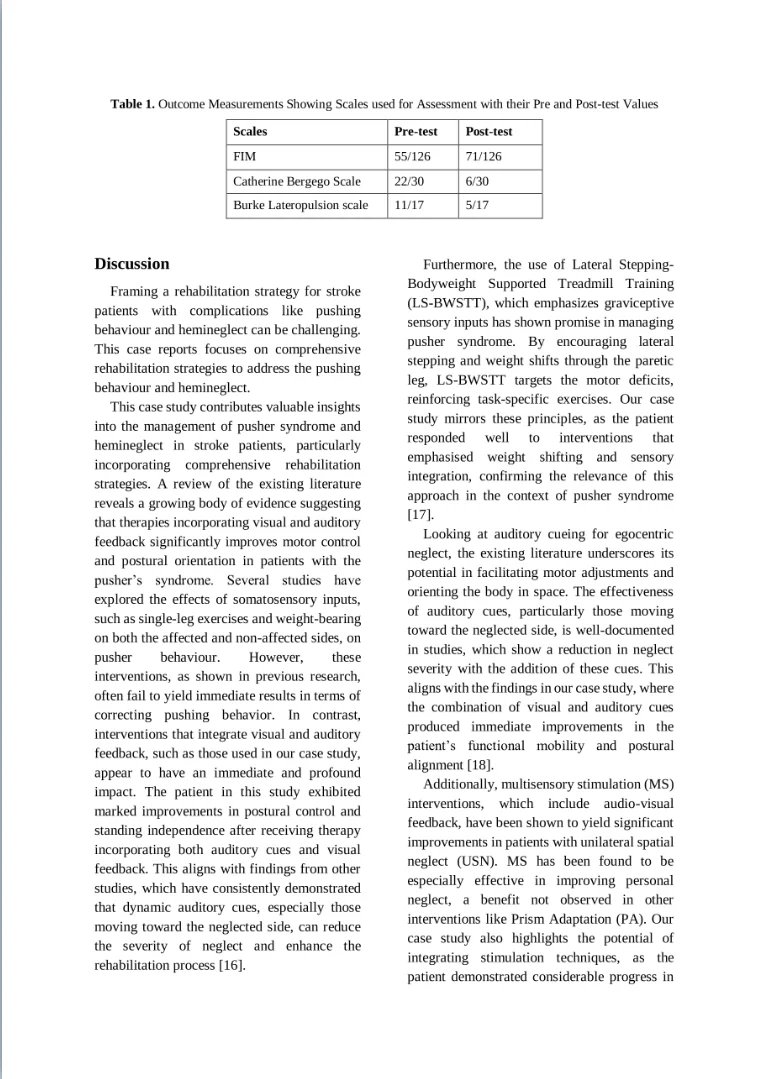
- Significant reduction in pushing behavior
- Improvement in hemineglect
- Increased functional independence (FIM)
Key Clinical Insight:
The brain doesn’t just lose strength after a stroke.
It loses its internal map of the body.
And rehabilitation works best when:
it targets not only movement, but also perception
Takeaway for clinicians:
If your patient:
falls toward one side
does not use a limb
is unaware of their body
Don’t just train muscles.
Train the brain’s perception of reality.”
Title: Comprehensive Rehabilitation Strategies for Pushers Syndrome and Hemineglect- A Case Report
Authors: Dhanusia S, Simran Sharma, Suriya N, Kamalakannan M, Madhanraj Sekar Saveetha
Stay updated on all scientific advances with Hemostasis Today.
-
Sep 29, 2026, 12:37Dan Milikovsky: Uncovering Cerebrovascular Injury in Sickle Cell Disease
-
Sep 29, 2026, 12:02Hajra Malik: Bridging Language Gaps in Hematology With AI
-
Sep 29, 2026, 11:57Joan Montaner: Can Blood Test Identify Intracerebral Hemorrhage Within Minutes?
-
Sep 29, 2026, 11:43From Years Without Answers to Life With Hemophilia Care – WFH
-
Sep 29, 2026, 11:32Sara Al Dallal: Transforming Hemophilia Care Across the Gulf
-
Sep 29, 2026, 11:21Richard Davis: Rapid Rescue in Massive Pulmonary Embolism
-
Sep 29, 2026, 11:14Nissan Brown: Every Step Counts for the Hemophilia Community
-
Sep 29, 2026, 11:03Zain Khalpey: SINGLE AF Adds New Evidence to the Anticoagulation Debate
-
Sep 29, 2026, 10:54How Does Haemophilia Affect Motor Development in Infants? – EAHAD