

Caitlin Raymond: What the Longevity Trial Actually Shows About Plasma Exchange and Biological Aging
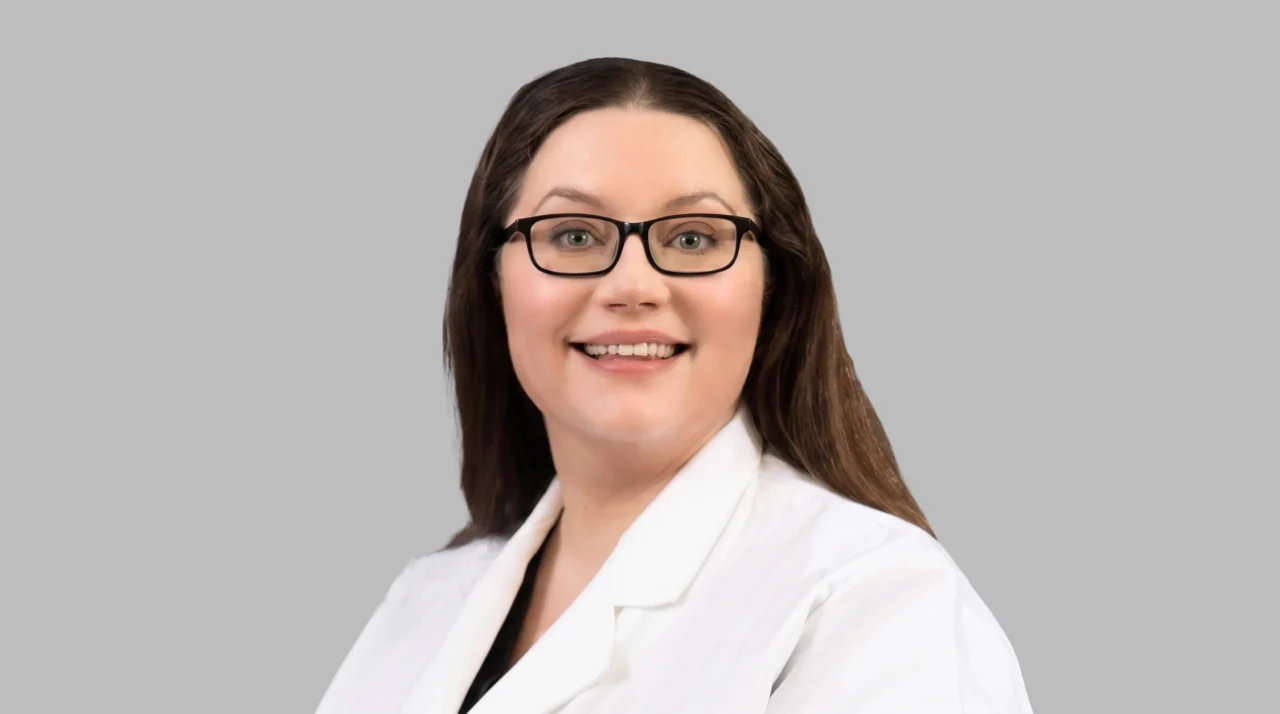
Caitlin Raymond, Assistant Professor of Pathology and Transfusion Medicine at University of Wisconsin-Madison, shared a post on LinkedIn about a recent article by Matias Fuentealba et al., published in Aging Cell, adding:
“I do plasma exchange for a living, so when longevity clinics started offering it to healthy people to reduce aging, I wanted to see the trial everyone cites.
It is a good pilot. Single-blind, registered, with a sham arm that ran the apheresis machine against a container of water. I have a grudging respect for the container of water.
However, there’s a long distance to cross between the abstract and the results.
What I took from a slow read:
- The headline number (2.61 years younger) is a difference versus sham, not a change in the treated group. With about ten people per arm, a drifting comparator can create a gap on its own. Looking closer, the authors report that no group’s biological clock significantly changed from its own baseline. I’m not sold that there was much difference in the biological clock after TPE in the first place.
- The signal was gone by the second follow-up, after five sessions. The authors report this themselves. It is the most interesting result in the manuscript, and it is not in the abstract.
- ‘Randomization’ was largely a queue, with baseline imbalances to match.
- No clinical outcomes were measured. A biomarker difference not linked to any outcome is, for now, a difference in a biomarker.
The Discussion is measured. The oversell happens upstream, in the abstract and the press release, because the abstract is the part everyone quotes.
If an intervention moves a biomarker and then stops moving it, what was the biomarker measuring?
Curious how others in apheresis, aging research, and lab medicine read this one.”
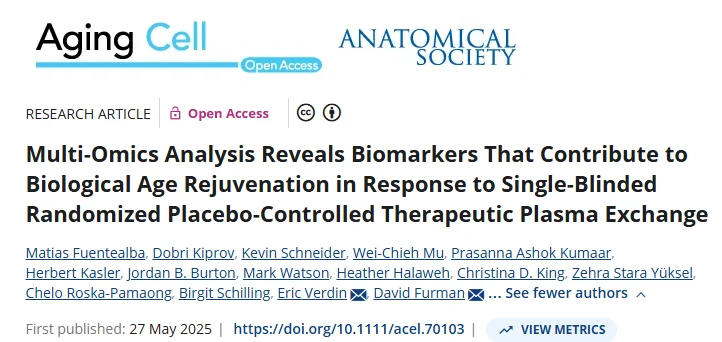
Title: Multi-Omics Analysis Reveals Biomarkers That Contribute to Biological Age Rejuvenation in Response to Single-Blinded Randomized Placebo-Controlled Therapeutic Plasma Exchange
Authors: Matias Fuentealba, Dobri Kiprov, Kevin Schneider, Wei-Chieh Mu, Prasanna Ashok Kumaar, Herbert Kasler, Jordan B. Burton, Mark Watson, Heather Halaweh, Christina D. King, Zehra Stara Yüksel, Chelo Roska-Pamaong, Birgit Schilling, Eric Verdin, David Furman
Other posts featuring Caitlin Raymond on Hemostasis Today.
-
Nov 4, 2026, 18:57Connecting Haemophilia Centres, Certifying Treaters, and Improving National Data in Romania – EHC
-
Nov 4, 2026, 18:45Smitirupa Mishra: A Practical Guide to Coagulation Pathway Assessment and Laboratory Interpretation
-
Nov 4, 2026, 15:59Alessandra Bosch: A Successful Patient Day for the Bleeding Disorders Community in Zürich
-
Nov 4, 2026, 15:47Wolfgang Miesbach: Targeting Hepatic Endothelial Cells for Lentiviral Gene Therapy in Haemophilia A
-
Nov 4, 2026, 15:20Augustina Isioma Ikusemoro: Before You Transfuse, Think PBM
-
Nov 4, 2026, 14:23Advancing Hemophilia Care Through Global Research – WFH
-
Nov 4, 2026, 14:12Jean-Jacques Kiladjian: From JAK Inhibitor-Associated Skin Cancers to Laboratory Discovery
-
Nov 4, 2026, 13:59Rita Li: ASH 2026 Abstract Achievement Award for Gut Microbiome Research
-
Nov 4, 2026, 13:38Omid Seidizadeh: Improving Access to von Willebrand Disease Diagnosis and Treatment Across Europe