

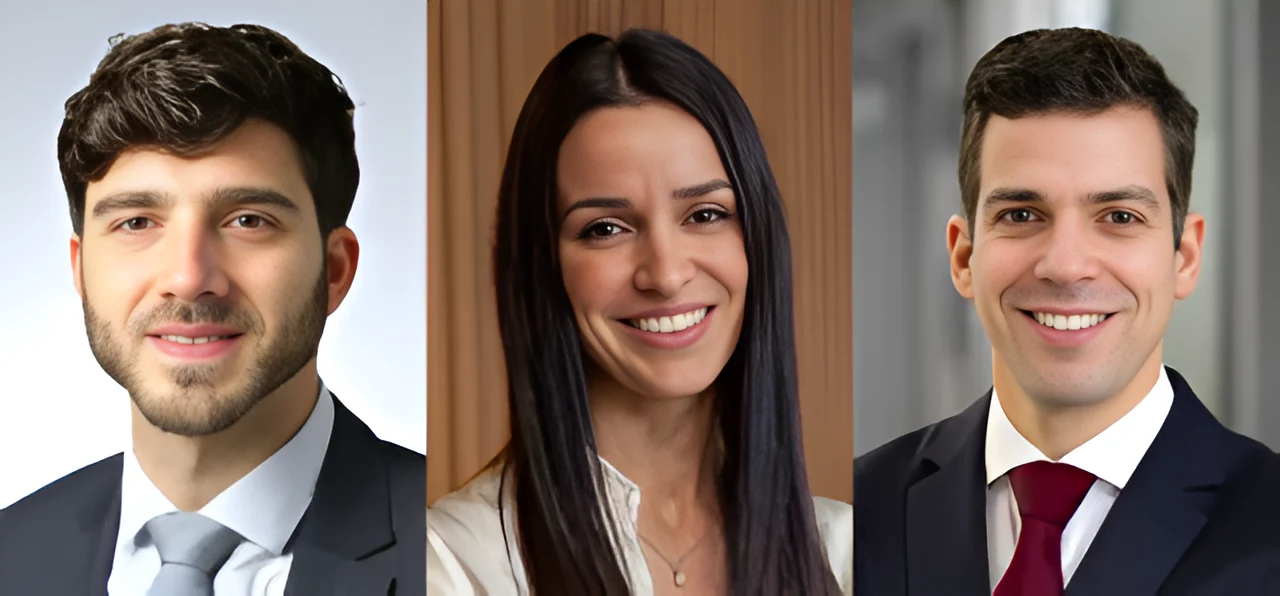
Daniel Lorenzatti: EAT is not Just a Bystander but Also a Great Modifiable Therapeutic Target
Daniel Lorenzatti, Associate Research Scientist at Montefiore Health System and Cardiologist at Hospital Universitari de Vic, shared a post on LinkedIn about a recent article he and his colleagues co-authored:
“Excited to share our latest research published in JACC: Cardiovascular Imaging!
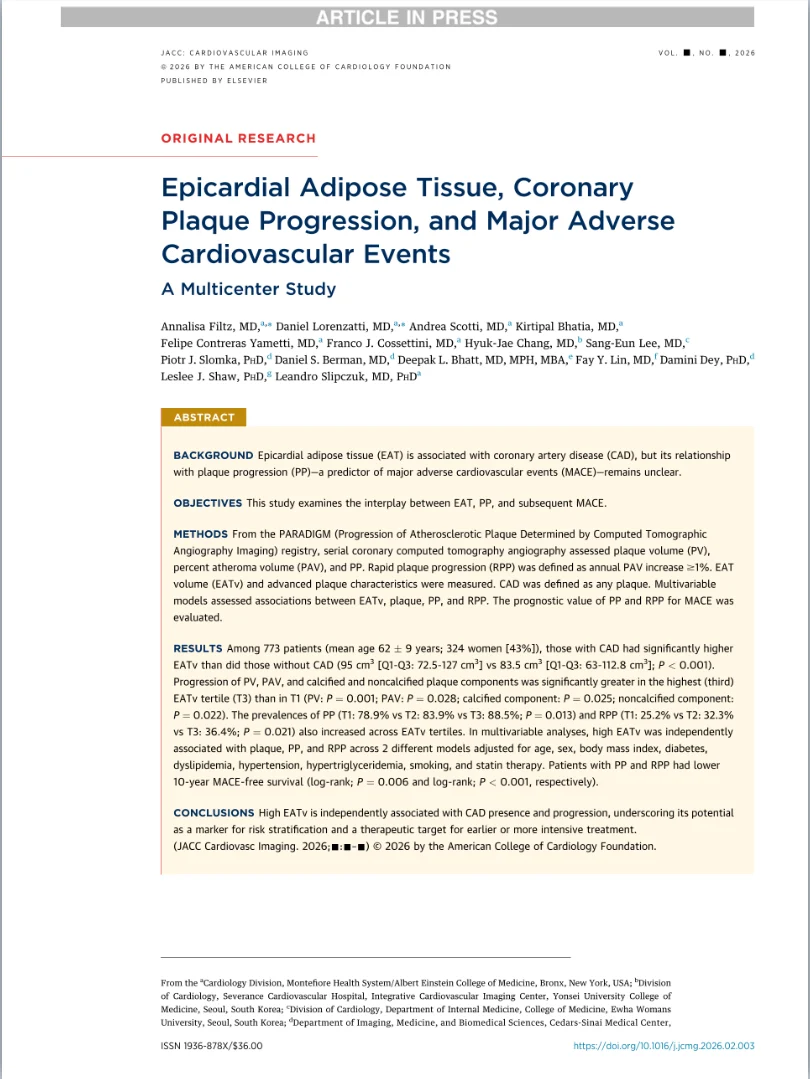
‘Epicardial Adipose Tissue, Coronary Plaque Progression, and Major Adverse Cardiovascular Events: A Multicenter Study’
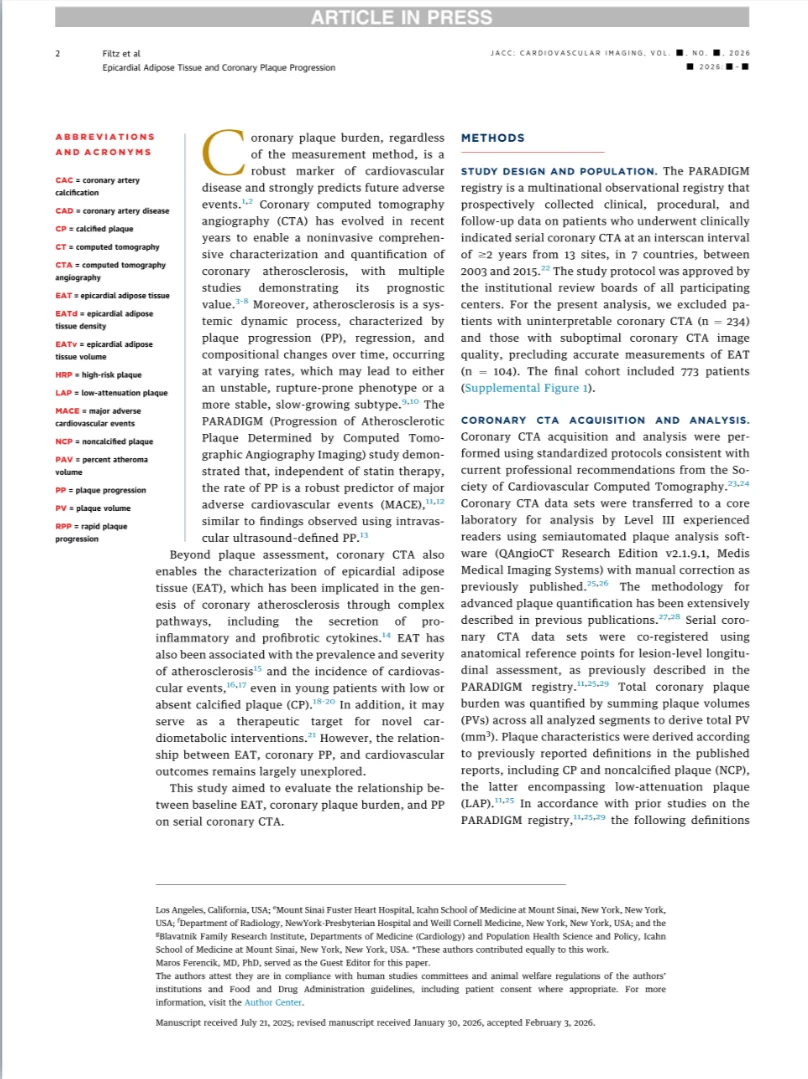
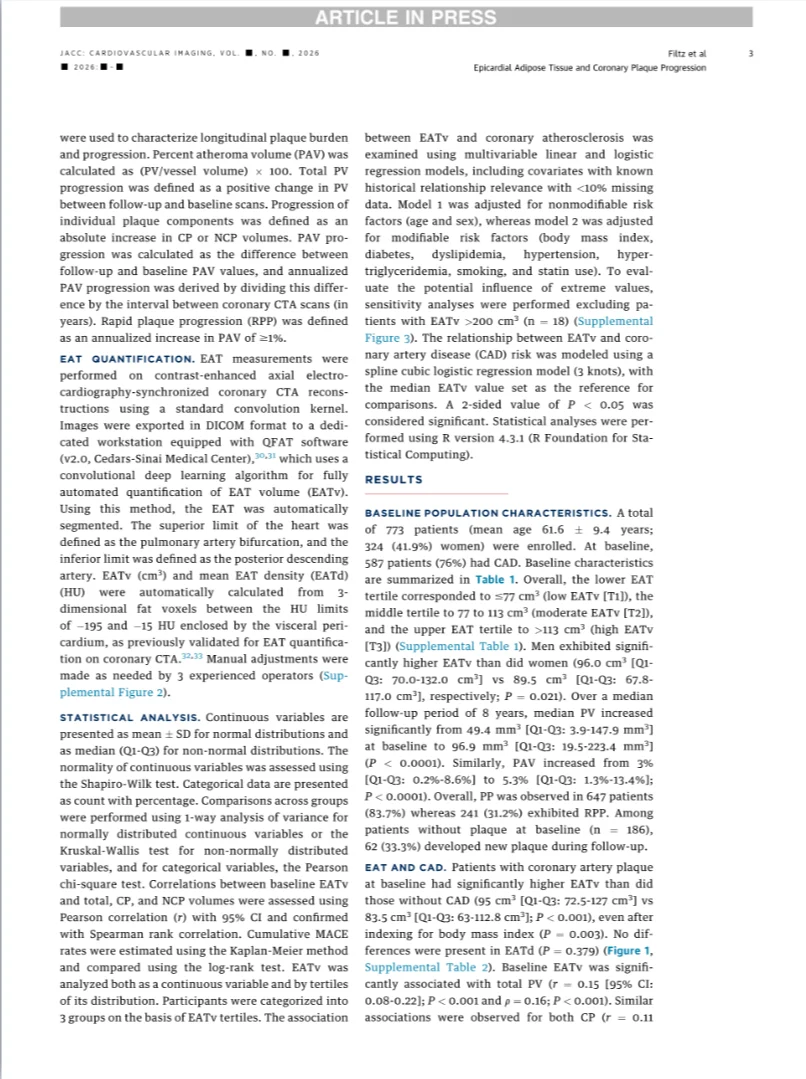
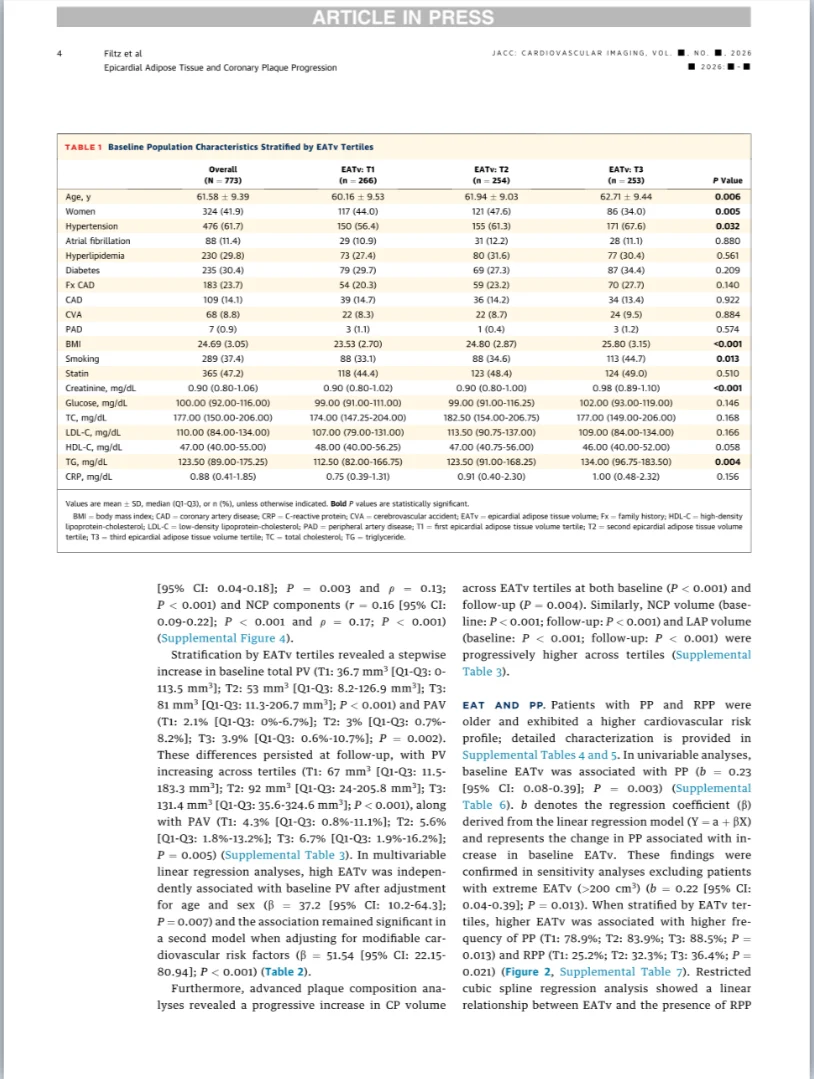
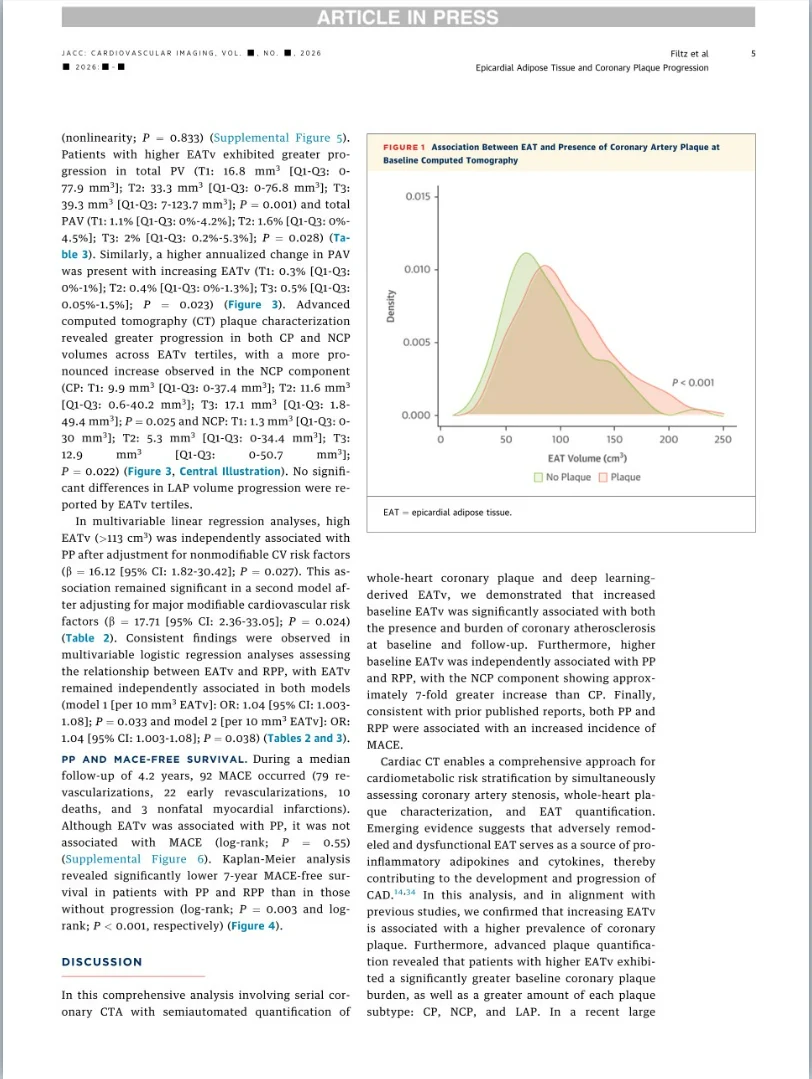
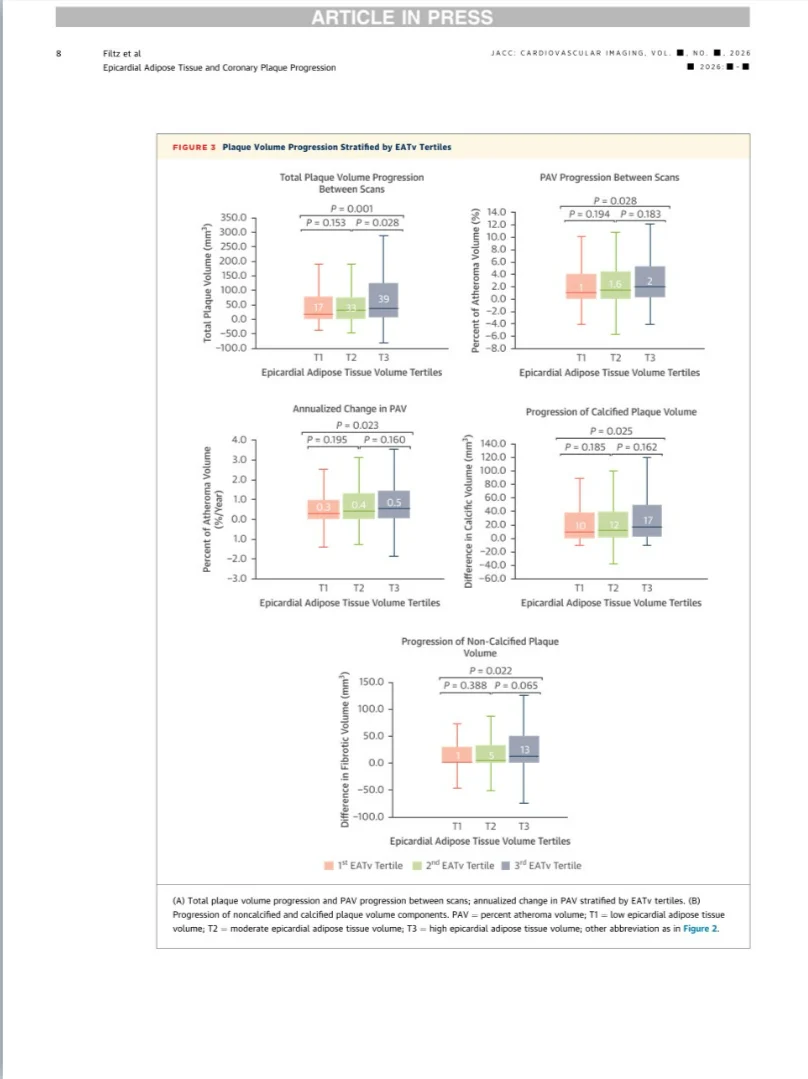
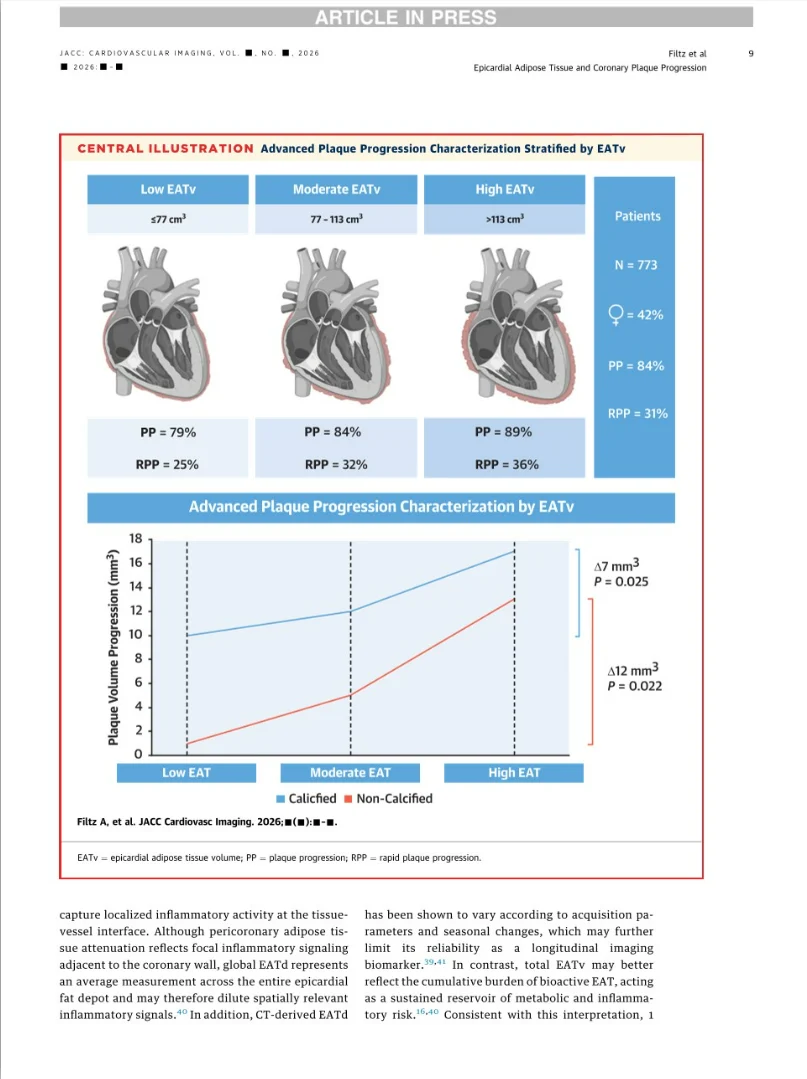
From the PARADIGM (Progression of Atherosclerotic Plaque Determined by Computed Tomographic Angiography Imaging) registry – 773 patients using serial coronary CTA over a median 8-year follow-up.
- Higher EAT volume (EATv) is independently associated with CAD.
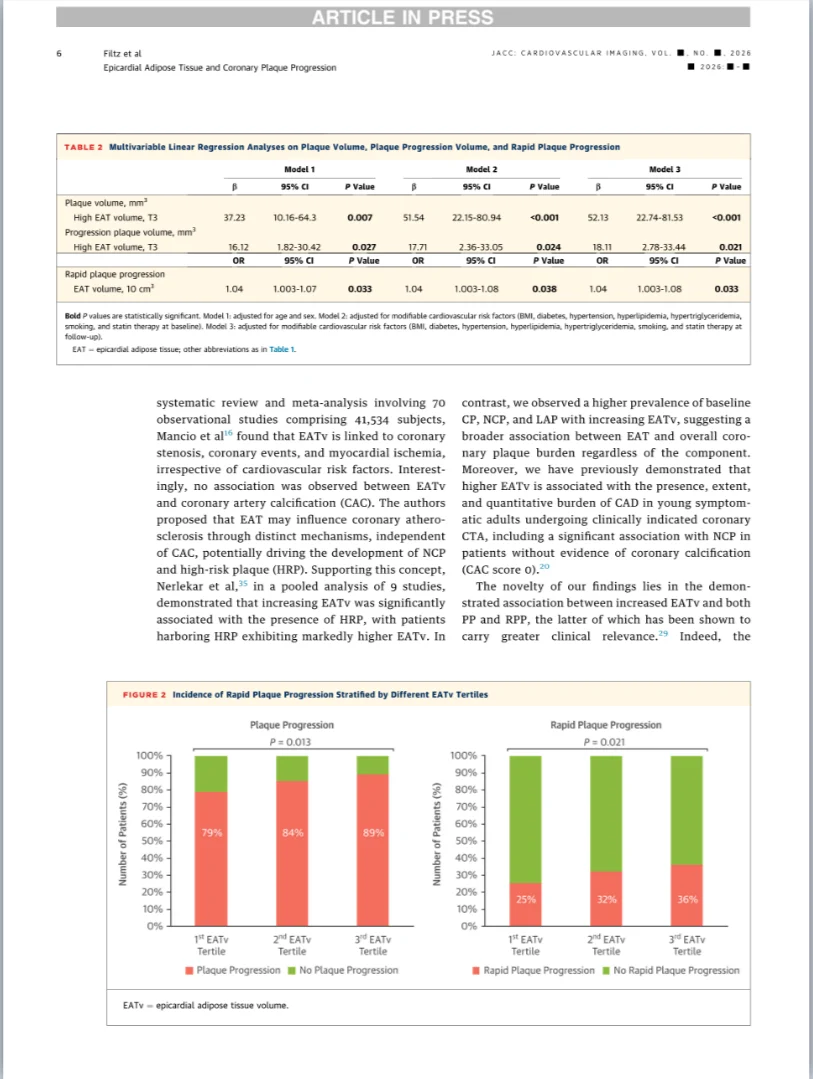
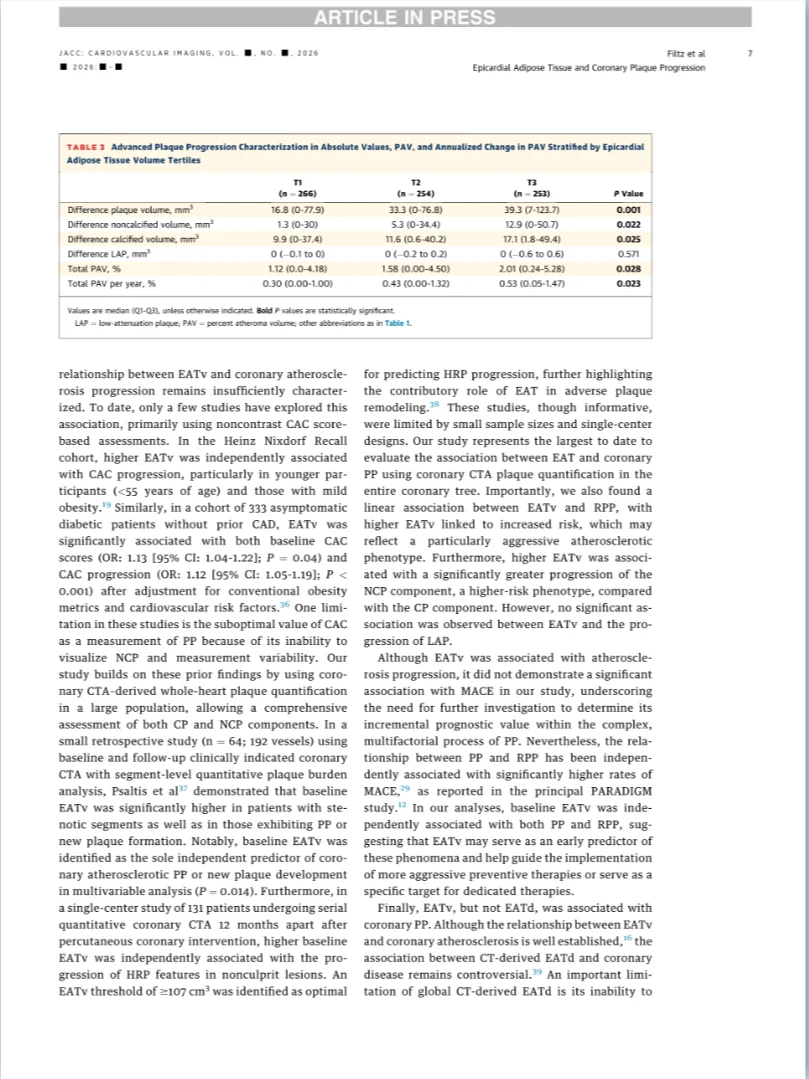
- EATv predicts both plaque progression (PP) and rapid plaque progression (RPP) – independent of traditional CV risk factors
- Noncalcified plaque showed nearly 7 times greater progression in the highest vs. lowest EATv tertile
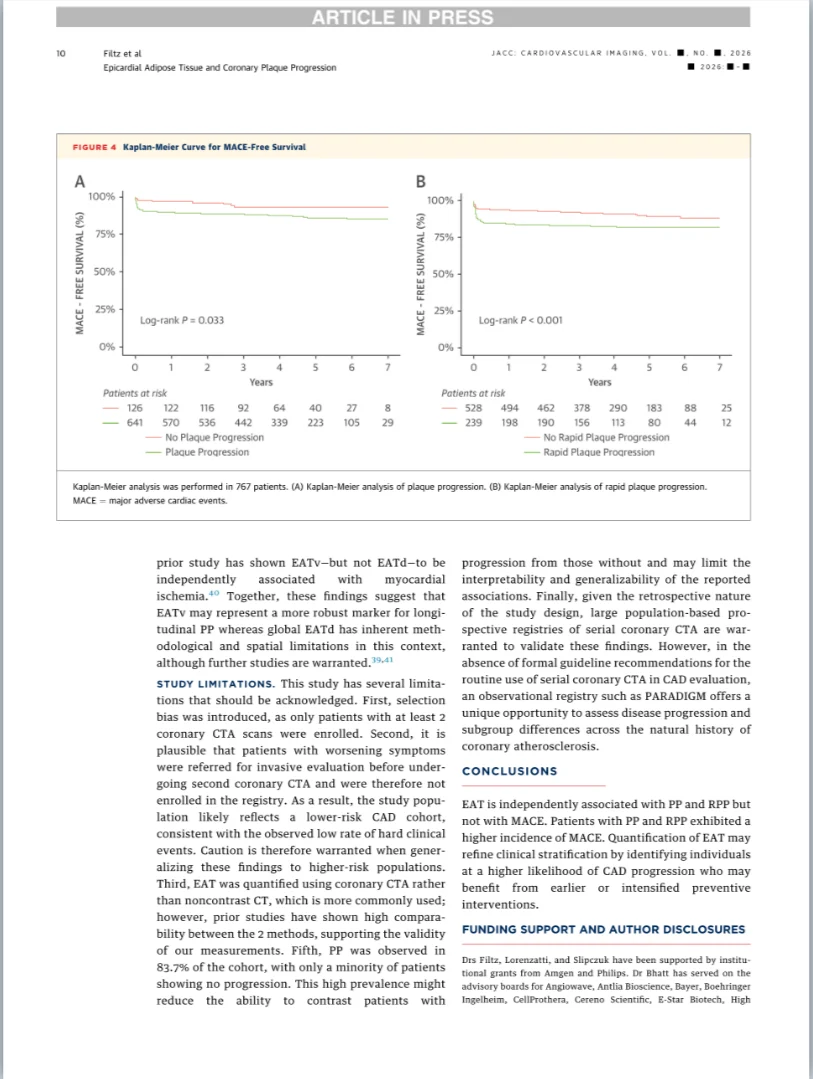
- Patients with PP and RPP had significantly worse 10 – year MACE-free survival (log-rank P equales 0.003 and Pis is lower than 0.001)
EAT quantification – already obtainable from a standard coronary CTA acquisition – can refine risk stratification and identify patients who may benefit from earlier or more intensive preventive therapy.
EAT is not just a bystander; it may be a modifiable therapeutic target.
Proud to work alongside Annalisa Filtz under the guidance of Leandro Slipczuk in this multicenter effort.
Thanks to all the co – authors and specially to the Montefiore Health System incredible team!”
Title: Epicardial Adipose Tissue, Coronary Plaque Progression, and Major Adverse Cardiovascular Events: A Multicenter Study
Authors: Annalisa Filtz, Daniel Lorenzatti, Andrea Scotti, Kirtipal Bhatia, Felipe Contreras Yametti, Franco J. Cossettini, Hyuk-Jae Chang, Sang-Eun Lee, Piotr J. Slomka, Daniel S. Berman, Deepak L. Bhatt, Fay Y. Lin, Damini Dey, Leslee J. Shaw, Leandro Slipczuk
Read Full Article on JACC

Stay updated on Hemostasis Today.
-
Sep 23, 2026, 07:28Isabelle Grenier-Pleau: Targeting Von Willebrand Disease to Transform Women’s Health
-
Sep 23, 2026, 07:07Wolfgang Miesbach: Mechanisms of Liver Injury After Hemophilia A Gene Therapy
-
Sep 23, 2026, 06:24Nicolas Gendron: Everolimus and Venous Thromboembolic Risk in Kidney Transplantation
-
Sep 23, 2026, 06:07Hoori Shahwar: Cerebral Venous Sinus Thrombosis Diagnosis and Management
-
Sep 23, 2026, 06:06Advancing Hemophilia Care and Patient Advocacy in Bangladesh – World Federation of Hemophilia
-
Sep 23, 2026, 05:54Bringing the Global Thrombosis and Haemostasis Community Together in 2027 – ISTH
-
Sep 23, 2026, 04:34David Akande: When Sickle Cell Crises Have No Clear Trigger
-
Sep 23, 2026, 04:13Jean Connors: Safety of Heparin Re-Exposure in Patients with Remote HIT
-
Sep 23, 2026, 04:09Beth Psaila: Applications Now Open for the Gordon Research Conference on Megakaryocytes and Platelets