

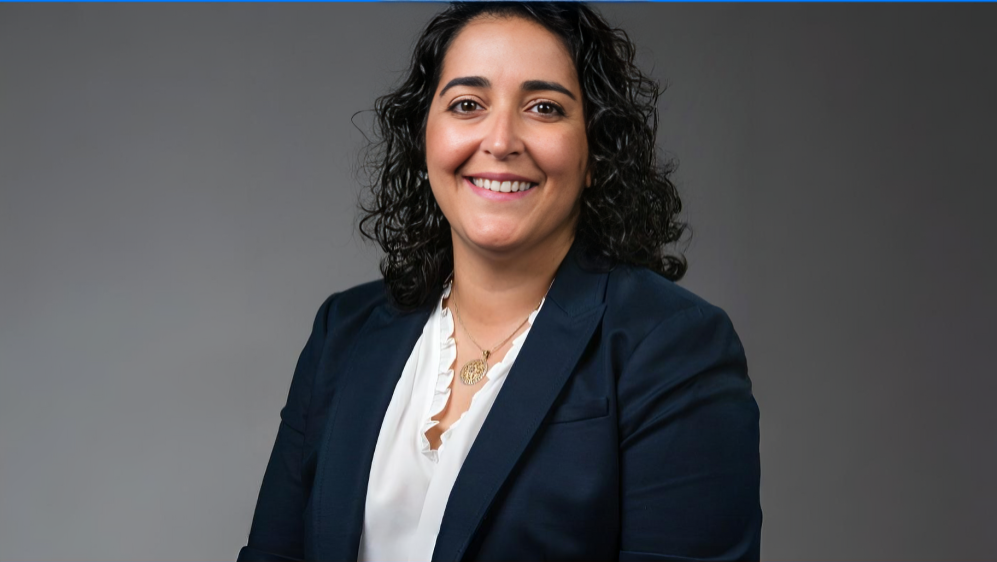
Elaheh Rahbar: Trauma-Induced Coagulation and Thrombosis Challenges
Elaheh Rahbar, Associate Professor at Texas A&M University, reposted from Science Advancement and Outreach on LinkedIn:
”Trauma-induced coagulation is just one of the thrombosis challenges we face today. As one of the biomedical engineering (BME) based research labs (TheERlab), we continue to use cell-based and computer-based models to better understand how we can prevent thromboembolisms post-trauma!”
Quoting Science Advancement and Outreach‘s post:
”Thrombosis remains a leading cause of preventable death. Despite critical species differences in blood flow, vessel structure, and platelet biology, animal experiments continue to consume critical resources that would be better directed toward preventing thrombosis and accelerating patient care.
Cutting-edge human-relevant tools—like microfluidic vein-on-chip systems and AI-based risk prediction—are transforming our understanding and opening doors to better prevention and therapies.
It’s time for science policy to catch up.
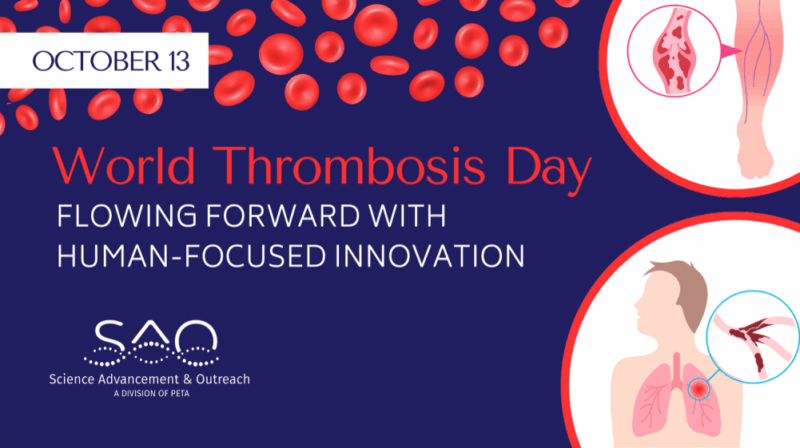
Read how we can break the “clot” of old science and accelerate thrombosis breakthroughs in our World Thrombosis Day article.”
Stay updated with Hemostasis Today.
-
Nov 19, 2026, 16:27263 PolyU Students and Staff Unite to Donate Blood – Hong Kong Red Cross Blood Transfusion Service
-
Nov 19, 2026, 16:16Billy Otieno: The Future of Blood Donation Lies Beyond Collection
-
Nov 19, 2026, 15:58Hema Goyal: Hematocon 2026 Bringing Together Knowledge, Innovation and Excellence in Hematology
-
Nov 19, 2026, 15:44Chukwuemeka Amarachi: Understanding Complex Blood Grouping Beyond Routine ABO And RhD Typing
-
Nov 19, 2026, 14:19Long-Read Sequencing Is Closing Diagnostic Gaps in Inherited Bleeding Disorders
-
Nov 19, 2026, 13:36Raja Prince: Protein S Silencing and the Future of Hemostatic Therapy
-
Nov 19, 2026, 13:26M. Sekip Altunkan: The Thrombotic Risk of Andexanet Alfa
-
Nov 19, 2026, 13:18Felice Gragnano: Personalizing Antiplatelet Therapy After PCI
-
Nov 19, 2026, 13:11When Postpartum Warning Signs Are Ignored – National Blood Clot Alliance