

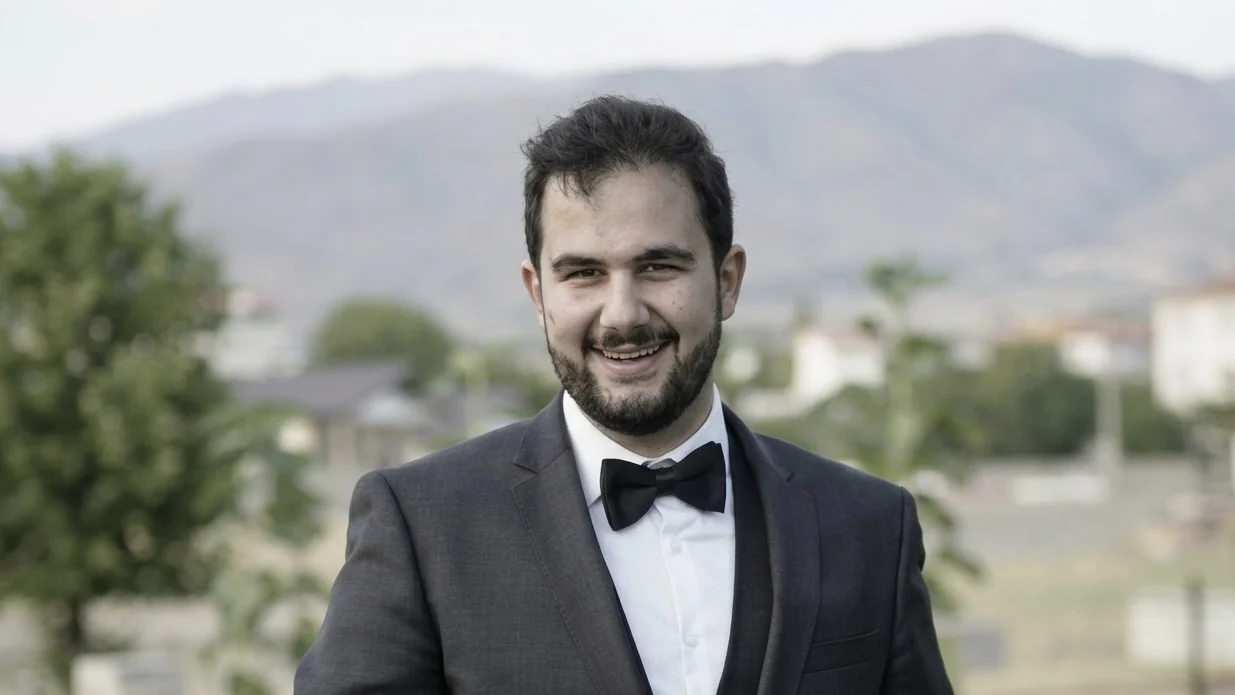
Hamed Helisaz: Machine Learning for Detecting Missing Heart Medications
Hamed Helisaz, Data Scientist, Co-Founder of GranTAZ, shared a post on LinkedIn about a recent article he and his colleagues co-authored, published in JTH, adding:
“Our recent publication has been featured by NEJM Group
We utilize Machine Learning to show that missing heart medications just one day a week poses a much higher risk than previously thought. Global guidelines traditionally considered an 80% adherence rate ‘good enough’ but our advanced computer modeling proved that patients actually need 90% to 95% adherence to safely minimize the risk of stroke.”
1 Title: Optimal adherence thresholds for oral anticoagulants in patients with atrial fibrillation using machine learning and population administrative data
Authors: Abdollah Safari , Hamed Helisaz , Mina Tadrous , Marc W Deyell , Jason G Andrade , Shahrzad Salmasi , Adenike Adelakun , Kristian B Filion , Mary A De Vera , Peter Loewen
Read the Full Article on JTH.

2 Title: Defining Optimal Adherence to Oral Anticoagulants in Patients with Atrial Fibrillation
Authors: Paul S. Mueller
Read the Full Article on NEJM.

Stay updated on all scientific advances with Hemostasis Today.
-
Oct 9, 2026, 16:23David Boone: Distinguishing Stroke Prevention from Rhythm Control in Atrial Fibrillation
-
Oct 9, 2026, 15:27Mohamed Hegazi: Geostatistical Modelling Maps Global β-Thalassaemia Carrier Prevalence
-
Oct 9, 2026, 15:15Maha Othman: Uncovering the Consensus on TXA in TBI – Call for Collaboration on a Landmark Umbrella Review
-
Oct 9, 2026, 15:07Daniel D. Han: How Inhalation Product Exposure Impairs Cardiac and Platelet Recovery After MI
-
Oct 9, 2026, 14:58William Toole: How Ultrasound-Guided PRP Therapy Relieves Joint and Tendon Pain
-
Oct 9, 2026, 14:50Shayan Mohammadmoradi: In Corpus Christi for the 20th Midwest Platelet Conference
-
Oct 9, 2026, 14:37Tariq Tramboo: High Platelet Concentrate for Osteoarthritis Knee – Recent Meta-Analyses
-
Oct 9, 2026, 14:26Yousma Khan: Hematology Series – Beyond RBCs, WBCs and Platelets
-
Oct 9, 2026, 14:13Jesus Ardila Novoa: Why the WHO’s Historic Essential Medicines List Decision Is Just the Beginning