

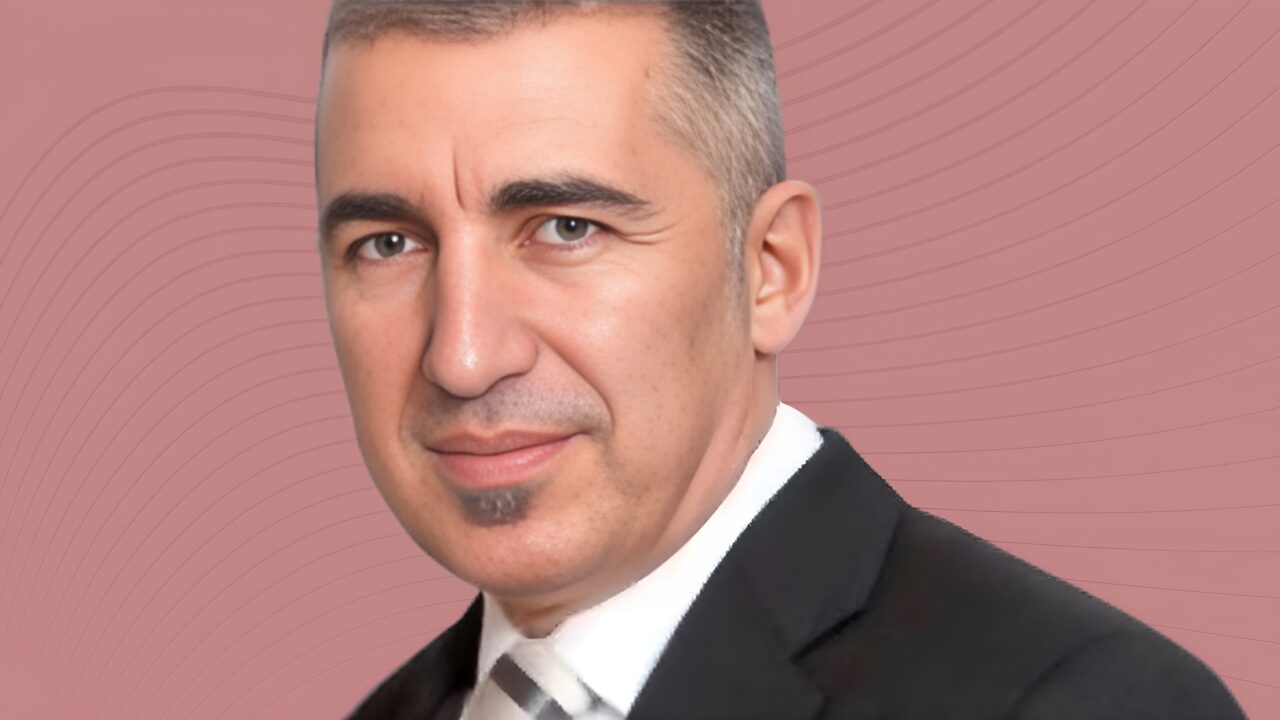
How to Avoid Transfusion Associated Circulatory Overload? José Antonio García Erce on Patient Blood Management Programs
José Antonio García Erce, Director of the Donation Center, Navarre Health Service (Osasunbidea), shared on LinkedIn:
‘‘Cardiogenic Pulmonary Edema (CPE) or Transfusion Associated Circulatory Overload (TACO)
It is the leading cause of transfusion-associated mortality.
It is one of the avoidable complications with the implementation of Patient Blood Management programs.
‘Transfusion-related CLD is defined as acute respiratory failure that appears or worsens with transfusion and/or pulmonary edema that appears during transfusion and up to 12 hours after transfusion.
In addition, changes in the cardiovascular system may be observed that are not explained by the patient’s underlying medical condition, as well as evidence of fluid overload and an increase in a relevant biomarker such as BNP or NT-pro-BNP.”’
Read the Annual Shot Report 2024 here.
Stay updated on all scientific advances in the field of transfusion medicine with Hemostasis Today.
-
Oct 10, 2026, 09:52Yuria Ito: Should Ferritin Testing Become a Routine Part of Prenatal Care in Japan?
-
Oct 10, 2026, 09:48Ahmed Alotaibi: Can We “Remove” the ABO Problem from Group O Platelets?
-
Oct 10, 2026, 09:31Help Shape the New ASH Iron Deficiency Guidelines – American Society of Hematology
-
Oct 10, 2026, 09:05Wolfgang Miesbach: Moving from Bleed Control to Comprehensive Joint Health
-
Oct 10, 2026, 07:59Leila Caroline Souza Reis: Enoxaparin Dosing for VTE Prevention in Adults With Obesity
-
Oct 10, 2026, 07:41Adeeb Bazuhair: New Evidence for Catheter Directed Thrombolysis in Acute PE
-
Oct 10, 2026, 07:22Poppy Clarke: Turning Steps Into Support for Thrombosis Awareness
-
Oct 10, 2026, 07:12Hamzah Khan: The Role of Genuine Curiosity in Driving High-Impact Academic Research
-
Oct 10, 2026, 06:58Nita Radhakrishnan: Turning Evidence Into Action for Hemophilia Care in India