

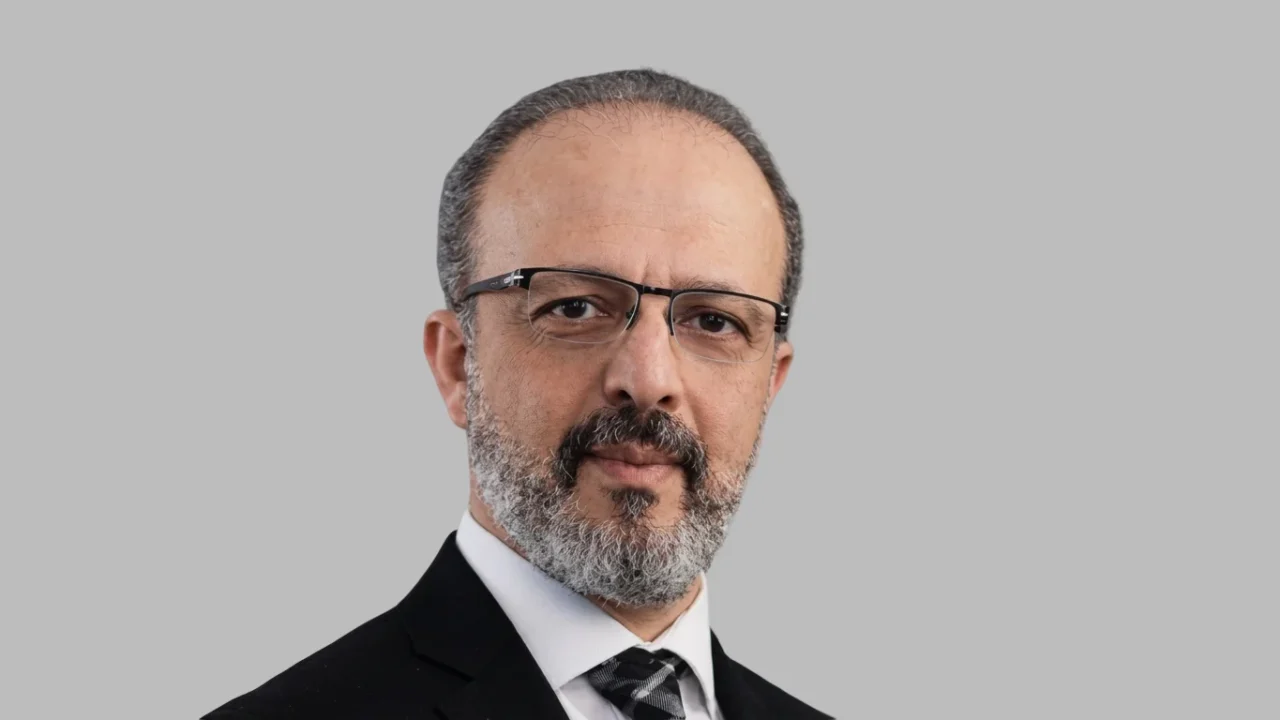
Reza Shojaei: China’s Reliance on Imported Albumin Raises Global Plasma Security Concerns
Reza Shojaei, Chief Operating Officer at Canadian Plasma Resources, shared a post on LinkedIn:
“China’s Albumin Dependency: A Wake-Up Call for Global Plasma Security.
A powerful new CNN investigation lands squarely in our industry’s blind spot: China, the world’s largest consumer of human albumin, sources more than 60 percent of that market from foreign manufacturers, and every drop of it traces back to plasma collected in the United States.
Read the CNN report here.
The human cost is stark.
The report follows a family in Henan province whose mother needed daily albumin infusions after stomach cancer surgery-72 vials over two months-at a price tag equal to roughly seven months of a shop worker’s income.
Why can’t China close this gap domestically?
Decades-old regulatory restrictions, put in place after a blood contamination crisis in the 1990s, still constrain the country’s plasma collection system today, even as demand climbs with an aging population.
Beijing is investing in alternatives, including licensing the world’s first plant-derived recombinant albumin made from rice, but experts note that scaling any substitute to real self-sufficiency remains years away.
The bigger question the article raises is one every plasma executive should be sitting with: what happens to tens of millions of patients if geopolitical tension or a health emergency disrupts the US-to-China plasma pipeline?
This is exactly the kind of structural, geopolitical fragility our industry doesn’t talk about enough, and it’s not just China’s problem.
It’s a preview of the risks facing any nation that outsources a critical therapeutic input rather than building domestic capacity.
The next issue of the ‘Blood and Plasma Pulse‘ newsletter will dig deeper into this story and unpack China’s plasma self-sufficiency gap, the geopolitics of albumin supply chains, and what it means for the future of global plasma sourcing strategy.
Subscribe so you don’t miss it.”

Other posts featuring Reza Shojaei on Hemostasis Today.
-
Oct 11, 2026, 16:57Shiny K. Kajal: Japan Advances Artificial Blood via Haemoglobin Vesicles Trials
-
Oct 11, 2026, 16:45Luca Scarcia: Rescue Stenting Superior When Posterior Circulation Thrombectomy Fails
-
Oct 11, 2026, 16:27Giuseppe Bellelli: Reevaluating Anticoagulation Net Benefit in Frail Older Adults
-
Oct 11, 2026, 16:17Johnathan Whetstine: How Does MYC Go From 2 Copies to an Amplified Oncogene?
-
Oct 11, 2026, 16:03Parth Parmar: Practical Guidelines for Managing Venous Thromboembolism
-
Oct 11, 2026, 15:31Muhammad Alvi: CASPR Study Explores Treatment Response Across ESUS Phenotypes
-
Oct 11, 2026, 15:15Thalassaemia International Federation Joins ASCAT 2026 to Advance Sickle Cell and Thalassaemia Care
-
Oct 11, 2026, 15:14Challenges and Perspectives on Gene Therapy in Hemophilia A – Seminars in Thrombosis and Hemostasis
-
Oct 11, 2026, 15:07Neysa Rahardjo: Platelet Estimation Pitfalls and Discrepancy Resolution