

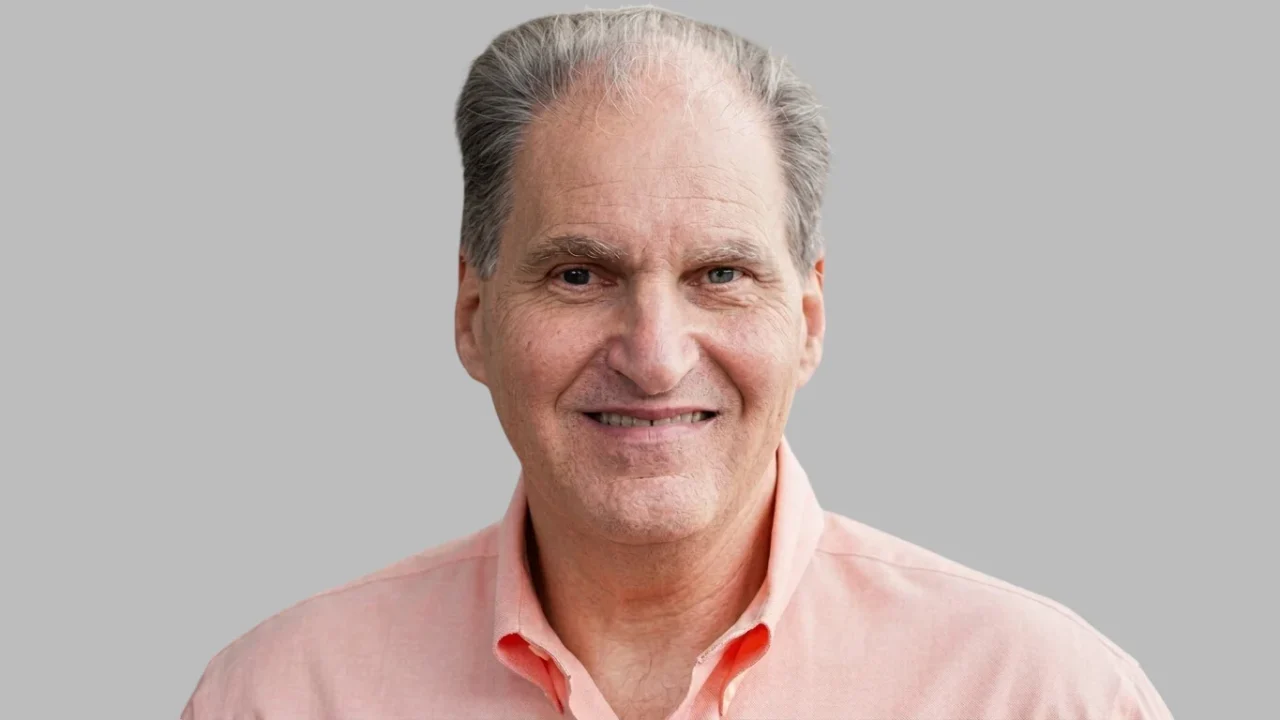
Leonard Valentino: Why Hemophilic Arthropathy Is More Than an Inflammatory Joint Disease
Leonard Valentino, President of WFH USA, shared a post on LinkedIn about a recent article he authored, published in Journal of Thrombosis and Haemostasis, adding:
“I’m excited to share my latest commentary in the Journal of Thrombosis and Haemostasis (JTH): ‘Hemophilic Arthropathy: When Shared Inflammatory Pathways Do Not Imply Shared Pathogenesis.’
For years, we’ve recognized that hemophilic arthropathy shares many inflammatory features with rheumatoid arthritis and osteoarthritis.
Similar cytokines, signaling pathways, synovial inflammation, and tissue remodeling can make these diseases appear biologically connected.
Yet an important question remains: do shared pathways necessarily mean shared mechanisms of disease?
In this commentary, I discuss emerging research suggesting that the answer may be no.
While inflammatory mediators may overlap across joint diseases, hemophilic arthropathy is fundamentally initiated by bleeding into the joint and the unique biological consequences of blood and iron exposure.
These distinct triggers may drive disease progression in ways that cannot be fully understood through comparisons with other arthritides alone.
As we pursue novel therapies to preserve joint health in people with hemophilia, understanding the difference between shared inflammatory signatures and true disease-driving mechanisms is critical.
The most effective treatments will likely come from targeting the pathways that are uniquely relevant to blood-induced joint disease.
I’m grateful to colleagues and investigators whose work continues to deepen our understanding of hemophilic arthropathy and challenge long-held assumptions about its pathogenesis.”
Title: Hemophilic arthropathy: when shared inflammatory pathways do not imply shared pathogenesis
Author: Leonard A. Valentino’
Stay updated on all scientific advances with Hemostasis Today.
-
Sep 28, 2026, 13:48Can the Immune System Be Reprogrammed to Treat Aplastic Anemia?
-
Sep 28, 2026, 13:20Elif Susan Elcin։ PRP for Skin Rejuvenation – Is It Worth the Hype?
-
Sep 28, 2026, 13:07Alexandru Stieber: Looking Beyond MDS in VEXAS Syndrome
-
Sep 28, 2026, 12:53Shifa Maharani: Research Innovation and Recognition at JSMID 8th
-
Sep 28, 2026, 12:40Najmul Hasan Forhad: Platelets – The Unsung Heroes of Hemostasis
-
Sep 28, 2026, 12:29Turki Alqahtani: From Routine Testing to Specialized Hematology Diagnostics
-
Sep 28, 2026, 11:26Andra Tocarciuc: Immune TTP in 2026 – Moving Toward Plasma Exchange–Free Care
-
Sep 28, 2026, 11:13Nathan Pennell: 3 Questions That Matter for the Next Multiple Myeloma Treatment
-
Sep 28, 2026, 11:00Oren Rom: Connecting Amino Acid and Lipid Metabolism in MASH