

How CAR-NK Cells Could Work Better than CAR-T Cells
James Crowley, Professor of Medicine emeritus at Brown University, posted on LinkedIn:
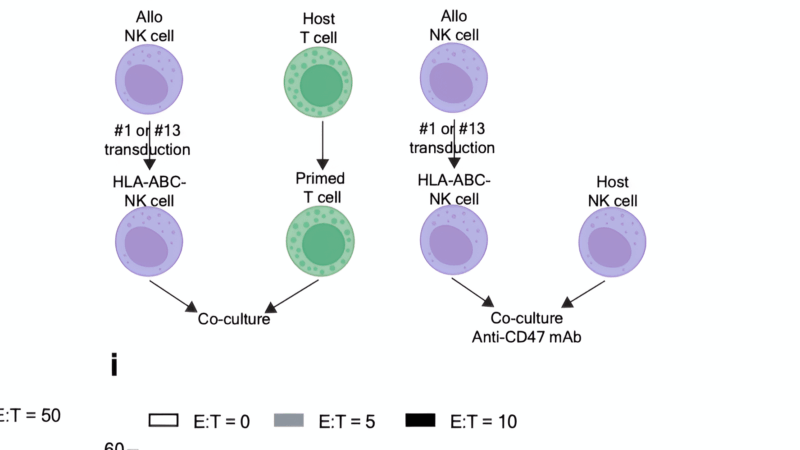
”The major hurdle addressed is donor cell rejection by the recipient’s immune system, which the authors determined is primarily mediated by host CD8+ T cells.
To overcome rejection, the researchers engineered a single gene construct that combines a selective shRNA to knock down rejection-related HLA Class I molecules, a Chimeric Antigen Receptor (CAR) for tumor targeting, and the expression of immune checkpoint ligands like PD-L1 or single-chain HLA-E (SCE).
This integrated approach not only enabled the CAR-NK cells to evade host-mediated rejection in mouse models but also surprisingly enhanced their anti-tumor activity and provided a favorable safety profile by reducing inflammatory cytokines.”
Stay updated with Hemostasis Today.
-
Oct 6, 2026, 04:33Hessam Kakavand: Rethinking Thrombotic Risk in Modern Cancer Therapy
-
Oct 6, 2026, 04:07Moussa Zein Aldine: Acute Coronary Syndrome Every Minute Matters
-
Oct 6, 2026, 03:13Patrick Taylor: Glow Stack Trend What the Evidence Really Shows
-
Oct 6, 2026, 02:59Preventing Hospital Associated Venous Thromboembolism – Thrombosis Canada
-
Oct 6, 2026, 02:42Treatment of Iron Deficiency With and Without Anemia – American Society of Hematology
-
Oct 6, 2026, 02:36Mouna Sassi: When Clinical and Laboratory Perspectives Meet in Thrombosis Care
-
Oct 6, 2026, 02:35Lucia Stefanini: Platelet Dysfunction and Oxidized Phospholipids in MASLD
-
Oct 6, 2026, 02:18Pablo Corral: Association of Lp(a) With Coronary Atherosclerosis and CV Events
-
Oct 5, 2026, 22:55Steve Humphreys: A Big Thank You to BSHT for Providing Me With a Recent Skills Exchange Award