

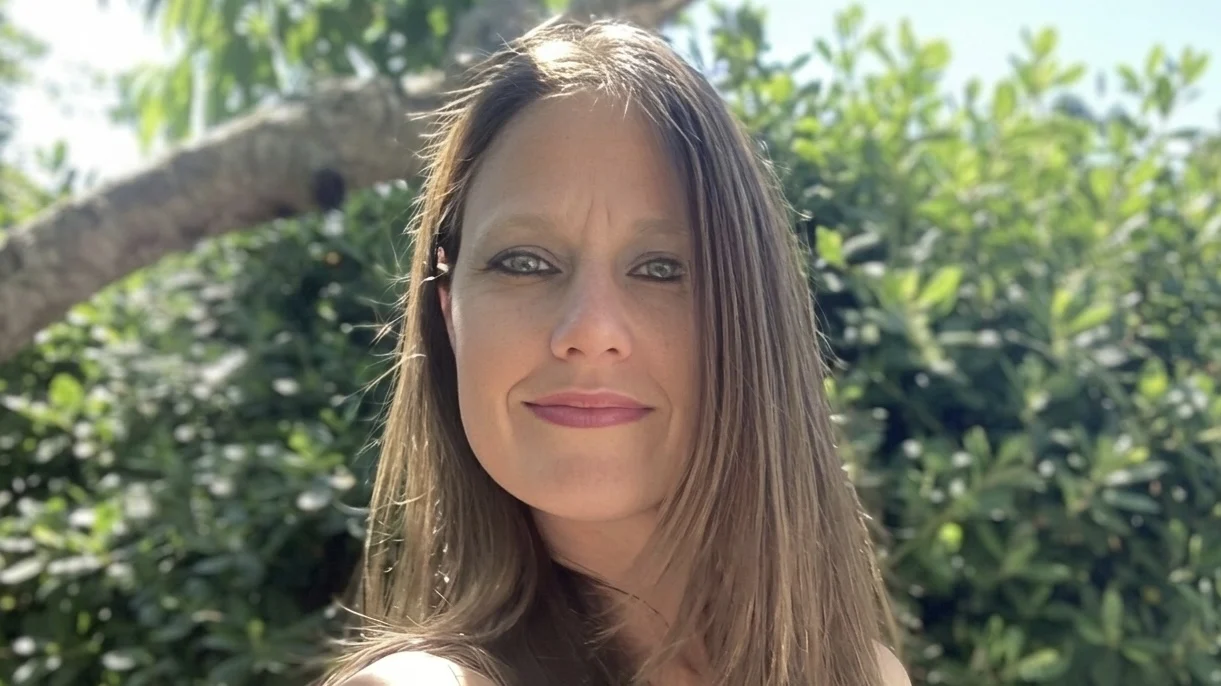
Amanda Johnson: The Stretch of Science in the History of EDS
Amanda Johnson, Founder and Creator of Limited Edition Friends, shared a post on LinkedIn:
“The Stretch of Science: Charting the History of EDS
The History of Ehlers-Danlos Syndromes (EDS)
Ehlers-Danlos Syndromes (EDS) are a group of rare, inherited disorders that primarily affect the body’s connective tissues, resulting in a wide range of clinical symptoms and complications.
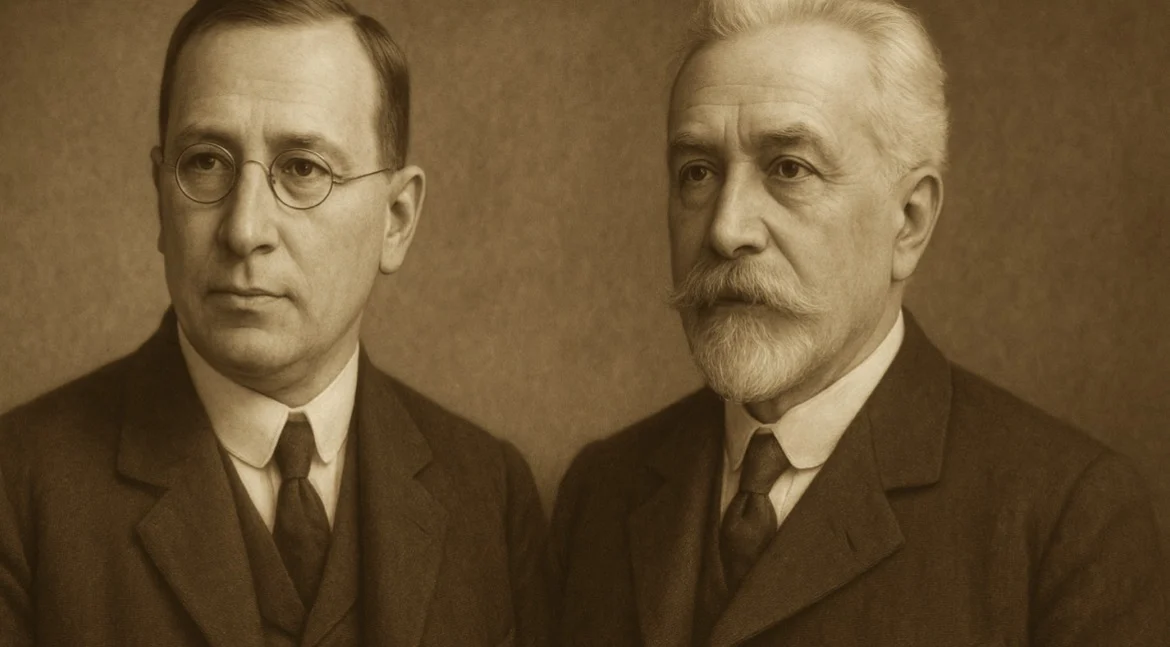
Named after Danish dermatologist Edvard Ehlers and French dermatologist Henri-Alexandre Danlos, who independently described cases in the early 20th century, EDS has since evolved into a recognized and continually studied group of genetic conditions. This article explores the history of EDS, from its discovery to its modern classification and ongoing research.
Early Observations
The first medical descriptions of what would become known as EDS occurred in the early 1900s. In 1901, Edvard Ehlers documented a patient with unusual skin hyperelasticity and joint laxity.
In 1908, Henri-Alexandre Danlos expanded upon this by detailing additional cases involving fragile, stretchable skin and tissue abnormalities.
Though the two physicians worked independently, their combined observations laid the foundation for identifying this unique group of connective tissue disorders.
Recognition and Classification
Throughout the 20th century, as more cases emerged, physicians began recognizing that EDS manifested in various forms.
In 1997, a group of international experts developed the Villefranche nosology, a classification system that grouped EDS into six major types: classical, hypermobility, vascular, kyphoscoliotic, arthrochalasia, and dermatosparaxis. Each subtype was defined based on its clinical presentation, inheritance patterns, and, in some cases, associated genetic mutations.
In 2017, an updated classification—The 2017 International Classification of the Ehlers-Danlos Syndromes—expanded the number of recognized subtypes to 13, reflecting advances in genetic research and clinical understanding.
Genetic Discoveries
Scientific breakthroughs in molecular genetics have deepened our understanding of EDS. Researchers have identified several genes associated with specific subtypes, most notably COL5A1 and COL5A2 in classical EDS, and COL3A1 in vascular EDS.
These genes encode different forms of collagen, a crucial protein that provides strength and elasticity to connective tissues. Mutations disrupt collagen synthesis or structure, leading to the various manifestations of EDS.
The identification of these mutations has not only improved diagnostic accuracy but also paved the way for genetic counseling and the future development of targeted treatments.
Clinical Challenges and Symptoms
EDS presents with a wide spectrum of symptoms, making diagnosis particularly challenging. Common features include joint hypermobility, skin that is unusually elastic or fragile, easy bruising, chronic pain, and delayed wound healing.
Because symptoms overlap with other connective tissue disorders—and can vary significantly between individuals—many patients face delayed or missed diagnoses.
Multidisciplinary care involving geneticists, rheumatologists, cardiologists, physiotherapists, and pain specialists is often essential for proper management.
Current Research and Treatment
There is currently no cure for EDS, but treatments focus on symptom management and improving quality of life. Physical therapy, bracing, pain management, and sometimes surgical intervention (with caution) are typical components of care.
Genetic testing can help confirm diagnosis in certain subtypes, while ongoing research into gene therapy and regenerative medicine holds long-term promise.
Studies continue to explore how to improve early diagnosis, develop targeted therapies, and better understand less-defined subtypes such as Hypermobile EDS (hEDS), for which no causative gene has yet been identified.
Patient Advocacy and Support
Support and advocacy have become crucial aspects of life for those affected by EDS. Organizations like The Ehlers-Danlos Society and other regional support groups offer educational resources, raise public alertness, and connect patients with specialists and peer communities. These efforts help reduce the isolation often felt by individuals navigating life with a rare and complex condition.
Conclusion
The history of Ehlers-Danlos Syndromes reflects over a century of evolving medical understanding. From the early case reports by Ehlers and Danlos to today’s expanding genetic discoveries and international collaboration, the journey of EDS research underscores the importance of persistence in rare disease investigation.
With continued support from the medical and patient communities, the future offers hope for more effective treatments and improved quality of life for those affected by these challenging conditions.”
Stay updated with Hemostasis Today.
-
Oct 8, 2026, 14:17Sudhanshi Raina: Predicting Germline Mutations in Aplastic Anemia Using Telomere Length
-
Oct 8, 2026, 14:10Rebecca Akpeloo: PE as an Overlooked Threat in Sickle Cell Disease
-
Oct 8, 2026, 14:05Christina Pohlman: World Thrombosis Day – Raising Awareness of DVT
-
Oct 8, 2026, 13:59Patience Nkabe Odey: What Drives Rhesus D Screening Uptake Among Pregnant Women?
-
Oct 8, 2026, 13:50Todd Rice: ECMO at the Intersection of Anticoagulation and Respiratory Failure
-
Oct 8, 2026, 13:35Manuel Monreal: Why IVC Filter Retrieval Matters for VTE Outcomes
-
Oct 8, 2026, 12:53Hellen Ishikawa-Ankerhold: PhD and Postdoctoral Positions in Advanced Microscopy and Immunothrombosis at LMU Munich
-
Oct 8, 2026, 12:45Pedro Perez: World Thrombosis Day 2026 – Raising Awareness of Women’s VTE Risk
-
Oct 8, 2026, 12:20Berrin Gunaydin: Functional Biomarkers of Iron Deficiency in Pregnancy