

Pablo Corral/LinkedIn
Jan 13, 2026, 05:05
Pablo Corral Shares Key Takeaways on Reducing LDL-Cholesterol to Very Low Levels
Pablo Corral, Pharmacology Professor at FASTA University, Past President of Argentine Lipid Society, shared on LinkedIn:
”Reducing LDL-Cholesterol to Very Low Levels: Benefits vs. Risks
Key Takeaways
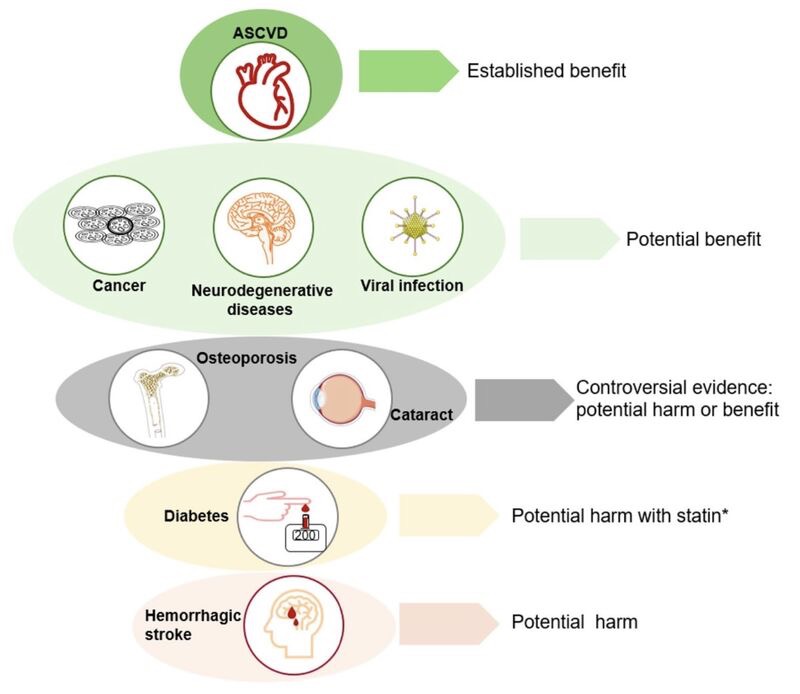
- LDL-C is causal for ASCVD: There is a clear log-linear relationship between absolute LDL-C reduction and cardiovascular risk reduction. Lower is better—no proven lower safety threshold.
- Very low LDL-C is physiologically acceptable: Human cells maintain cholesterol homeostasis even at LDL-C levels <25–40 mg/dL; newborns and genetic models support this.
- Genetic evidence is reassuring: Lifelong very low LDL-C (e.g., PCSK9 loss-of-function) is associated with lower ASCVD risk and no major safety signals.
- No confirmed increase in cancer or neurodegenerative disease with intensive LDL-C lowering; some data even suggest potential benefit.
- Diabetes risk is treatment-specific: Statins show a dose-dependent increase in new-onset diabetes; this has notbeen observed with PCSK9 inhibitors, inclisiran, or bempedoic acid.
- Hemorrhagic stroke: A small potential risk signal exists, mainly in patients with uncontrolled hypertension—blood pressure control is key.
- After ACS, strike early and hard: Achieving LDL-C <30 mg/dL early post-ACS stabilizes and regresses plaque and reduces recurrent events.
Do not de-escalate therapy solely due to very low LDL-C in high-risk patients; the net cardiovascular benefit clearly outweighs potential risks.
10.1007/s40292-025-00708-x ”
Read the full article here.
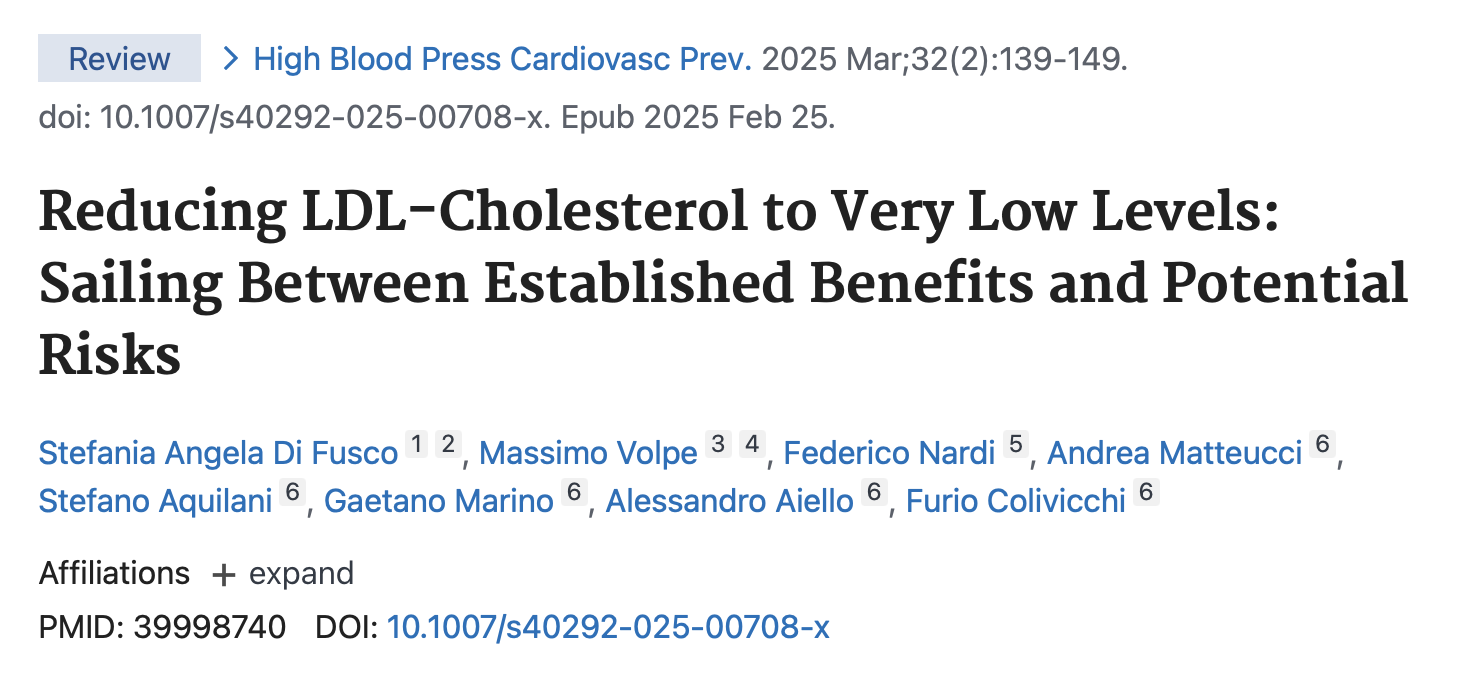
Article: Reducing LDL-Cholesterol to Very Low Levels: Sailing Between Established Benefits and Potential Risks
Authors: Stefania Angela Di Fusco, Massimo Volpe, Federico Nardi, Andrea Matteucci, Stefano Aquilani, Gaetano Marino, Alessandro Aiello, Furio Colivicchi
Stay updated on all scientific advances with Hemostasis Today.
-
Sep 24, 2026, 13:41Mahmoud Samir Bayomi: Raise ITP Awareness and Improve Patient Care
-
Sep 24, 2026, 12:56Maria Helena Parrinello: A New Score for Chronic GvHD Risk Assessment at the SIE Congress
-
Sep 24, 2026, 12:44Shehab Mohamed: TP53 Mutations and Outcomes in Myeloproliferative Neoplasms
-
Sep 24, 2026, 12:34Francesca Palandri: Is There Still a Place for Splenectomy in ITP in the Modern Era?
-
Sep 24, 2026, 12:15Cedric Hermans: RPTH Illustrated Review on Von Willebrand Disease
-
Sep 24, 2026, 11:48Factor XII Inhibition and the Future of Contact Pathway Targeting
-
Sep 24, 2026, 08:55Andres Gudino: Clot Characterization Through Hounsfield Units in Ischemic Stroke
-
Sep 24, 2026, 06:52Gina Sado: Screening-Detected Atrial Fibrillation Carries High Risk of Heart Failure
-
Sep 24, 2026, 06:33Benjamin Vipler: Optimal Oral Anticoagulation Choice in Atrial Fibrillation and Advanced CKD