


Pablo Corral Shares New Insights: Genome Editing and Gene Therapy for Lipid Disorders
Pablo Corral, Past President of Argentine Lipid Society, has shared a post on LinkedIn:
“A must read article
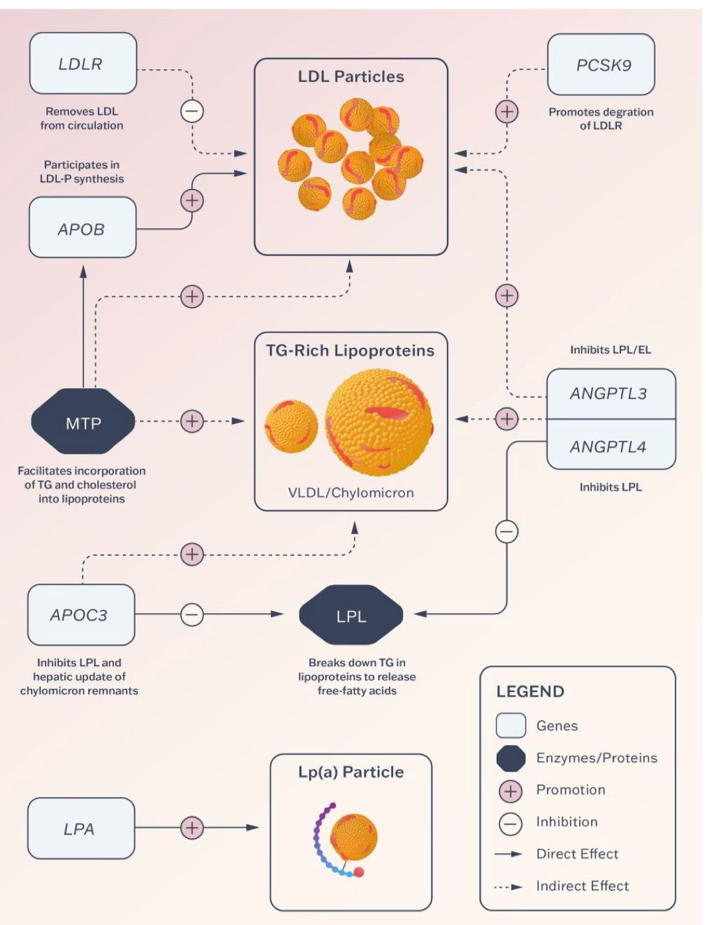
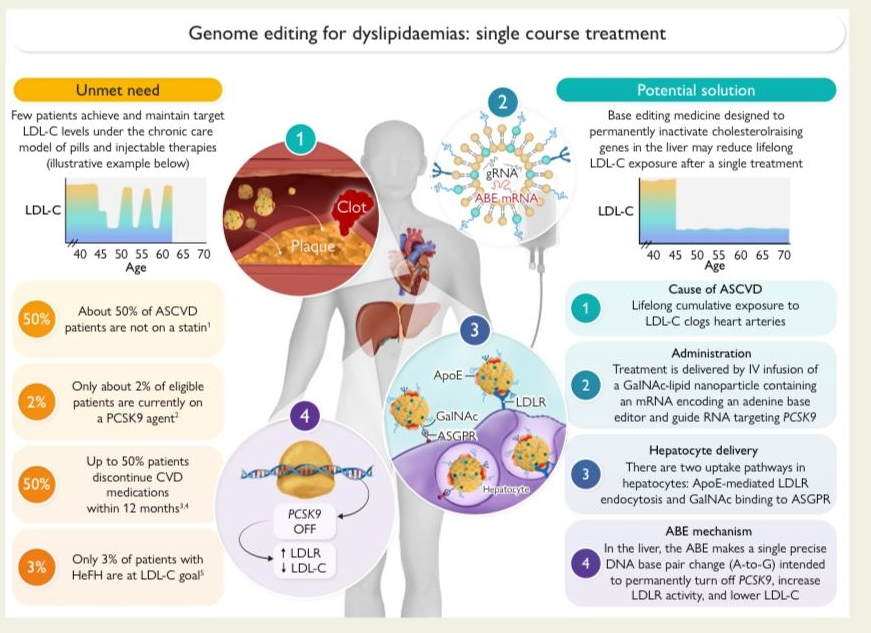
‘Gene therapy and genome editing for lipoprotein disorders‘ provides a comprehensive and timely overview of how advances in genetic medicine—including AAV gene addition, CRISPR editing, and RNA-based strategies—are reshaping the prevention and management of dyslipidaemias and ASCVD.
This open-access article highlights how innovative approaches may overcome limitations of lifelong lipid-lowering therapy, address unmet clinical needs in familial and polygenic disorders, and integrate polygenic risk scores and machine learning to personalize cardiovascular prevention.
An excellent resource for clinicians, researchers, and students interested in the rapidly evolving field of cardiovascular genetics.”
Title: Gene therapy and genome editing for lipoprotein disorders
Authors: Chen Gurevitz, Archna Bajaj, Amit V Khera, Ron Do, Heribert Schunkert, Kiran Musunuru, Robert S Rosenson
Read the full paper here.
Stay informed with Hemostasis Today.
-
Oct 9, 2026, 15:27Mohamed Hegazi: Geostatistical Modelling Maps Global β-Thalassaemia Carrier Prevalence
-
Oct 9, 2026, 15:15Maha Othman: Uncovering the Consensus on TXA in TBI – Call for Collaboration on a Landmark Umbrella Review
-
Oct 9, 2026, 15:07Daniel D. Han: How Inhalation Product Exposure Impairs Cardiac and Platelet Recovery After MI
-
Oct 9, 2026, 14:58William Toole: How Ultrasound-Guided PRP Therapy Relieves Joint and Tendon Pain
-
Oct 9, 2026, 14:50Shayan Mohammadmoradi: In Corpus Christi for the 20th Midwest Platelet Conference
-
Oct 9, 2026, 14:37Tariq Tramboo: High Platelet Concentrate for Osteoarthritis Knee – Recent Meta-Analyses
-
Oct 9, 2026, 14:26Yousma Khan: Hematology Series – Beyond RBCs, WBCs and Platelets
-
Oct 9, 2026, 14:13Jesus Ardila Novoa: Why the WHO’s Historic Essential Medicines List Decision Is Just the Beginning
-
Oct 9, 2026, 14:07Chokri Ben Lamine: Pain After Allogeneic Stem Cell Transplantation in Sickle Cell Disease