

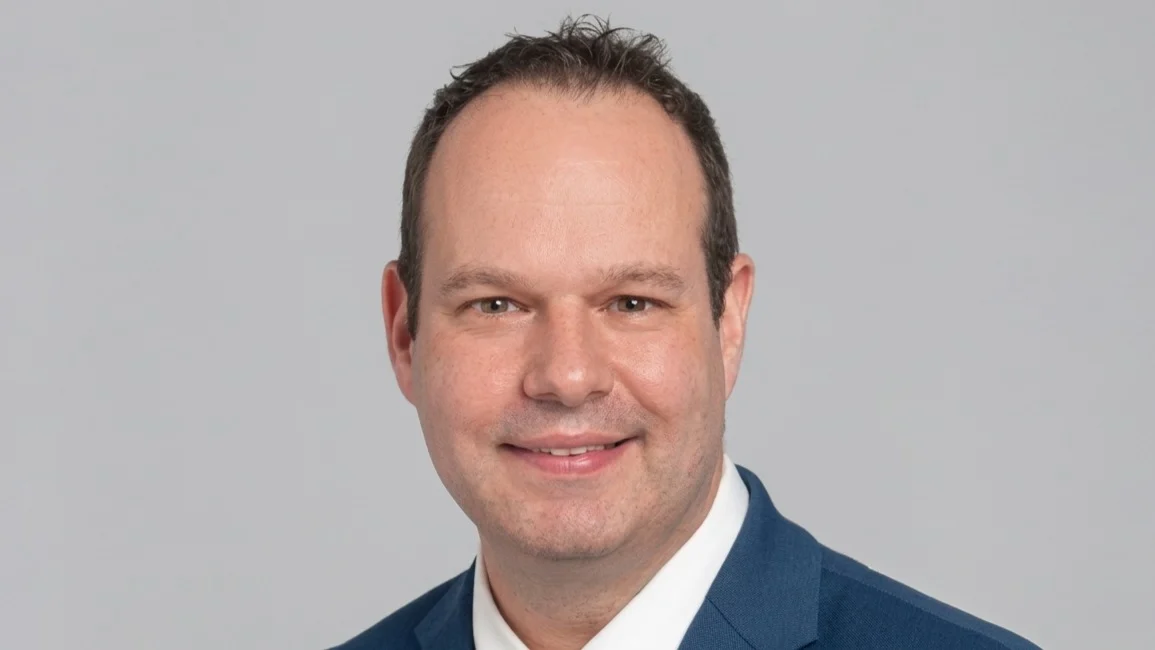
Scott Cameron: Olfactory Receptor Signaling as a Druggable Target in Cardiovascular Disease
Scott Cameron, Vascular cardiologist at Cleveland Clinic, Section Head of Vascular Medicine, shared a post on LinkedIn about a recent article he and his colleagues co-authored, published in Circulation, adding:
“Listen carefully to your patients.
Especially if you’re a physician-scientist.
They may point you to your next discovery.
Early in my time as a Cardiac ICU attending, I admitted a patient with extensive thrombosis, cardiogenic shock, and complete heart block (big heart attack).
He asked a simple question: Can odors cause blood clots?
A month earlier, I had detected an odorant receptor in platelet RNA, but assumed it was contamination and set it aside.
After that conversation, I repeated the experiment.
Same result.
Next, I introduced the cloned receptor into a cell and was puzzled at its biochemical behavior.
I did not believe the data as it behaved like nothing I had seen previously.
So I read the literature and found the work of Dr. Jennifer Pluznick at Johns Hopkins Medicine and I wrote to her.
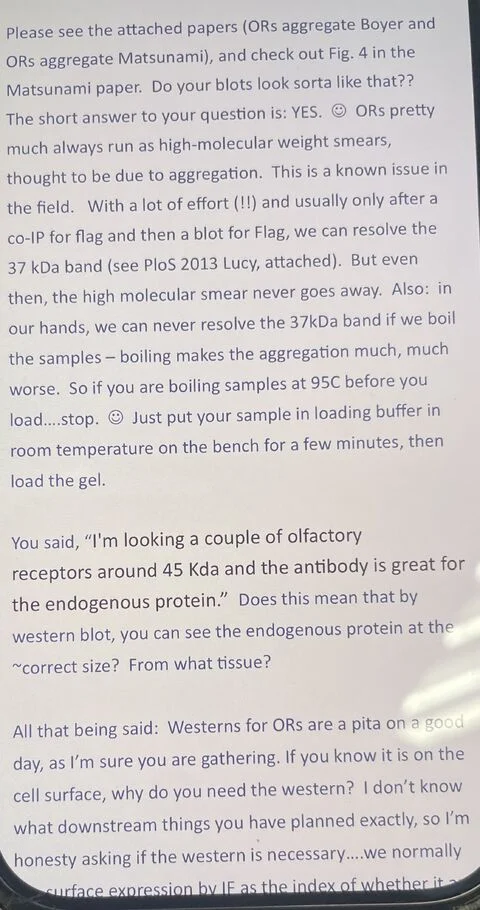
She was so gracious – writing back right away: ‘do your blots look sorta like that??’
Platelets can ‘smell.’
Some odors activate them.
Some odors inhibit them.
Digging deeper, I found a small, decades-old report linking smell disorders to platelet dysfunction in a JAMA paper and never followed up.
That observation, a patient’s story, combined with mentorship and collaboration, ultimately led us to study OR2L13 as a functional, druggable G-Protein-Coupled Receptor in platelets.
And now we have found it elsewhere in the cardiovascular system…
I’m grateful to see this work published in Circulation after five years of effort by a remarkable, multidisciplinary team across Cleveland Clinic and collaborators at Harvard.
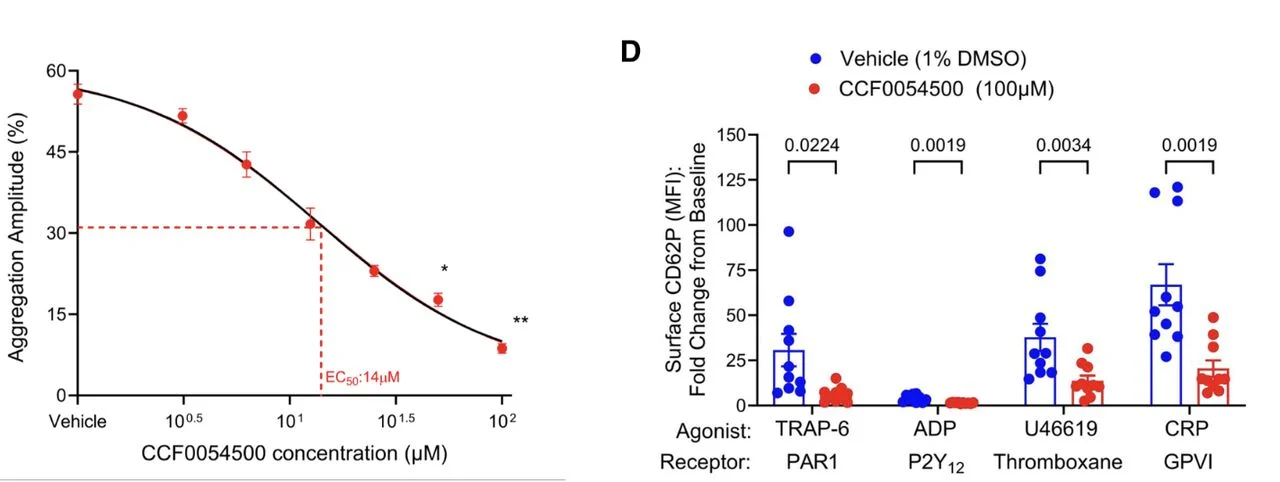
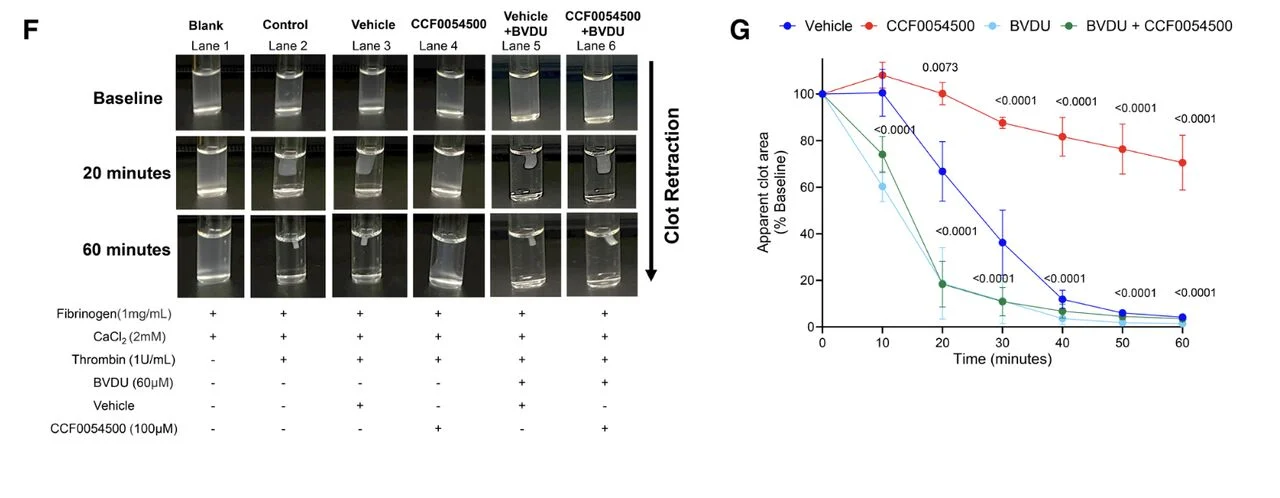
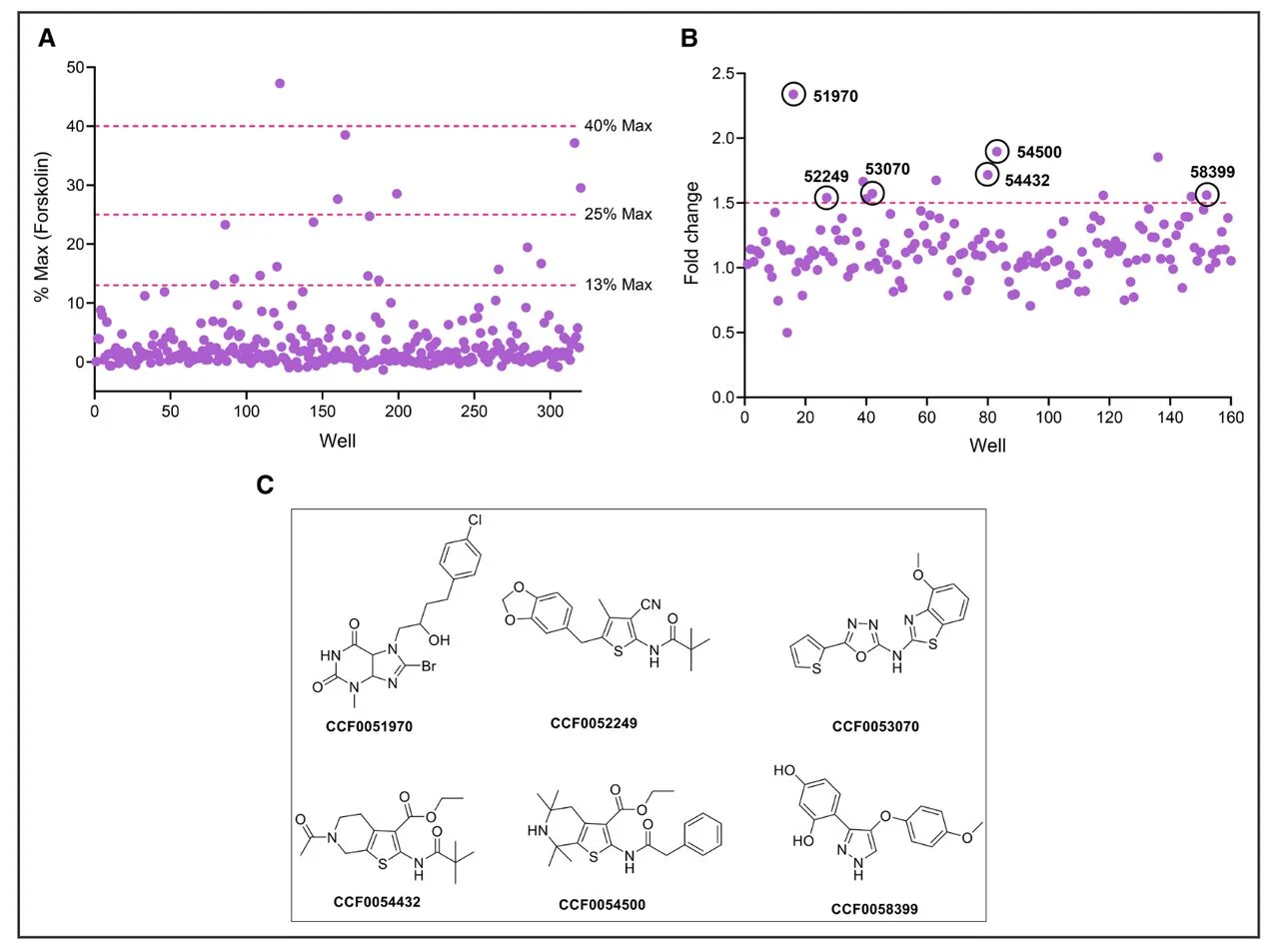
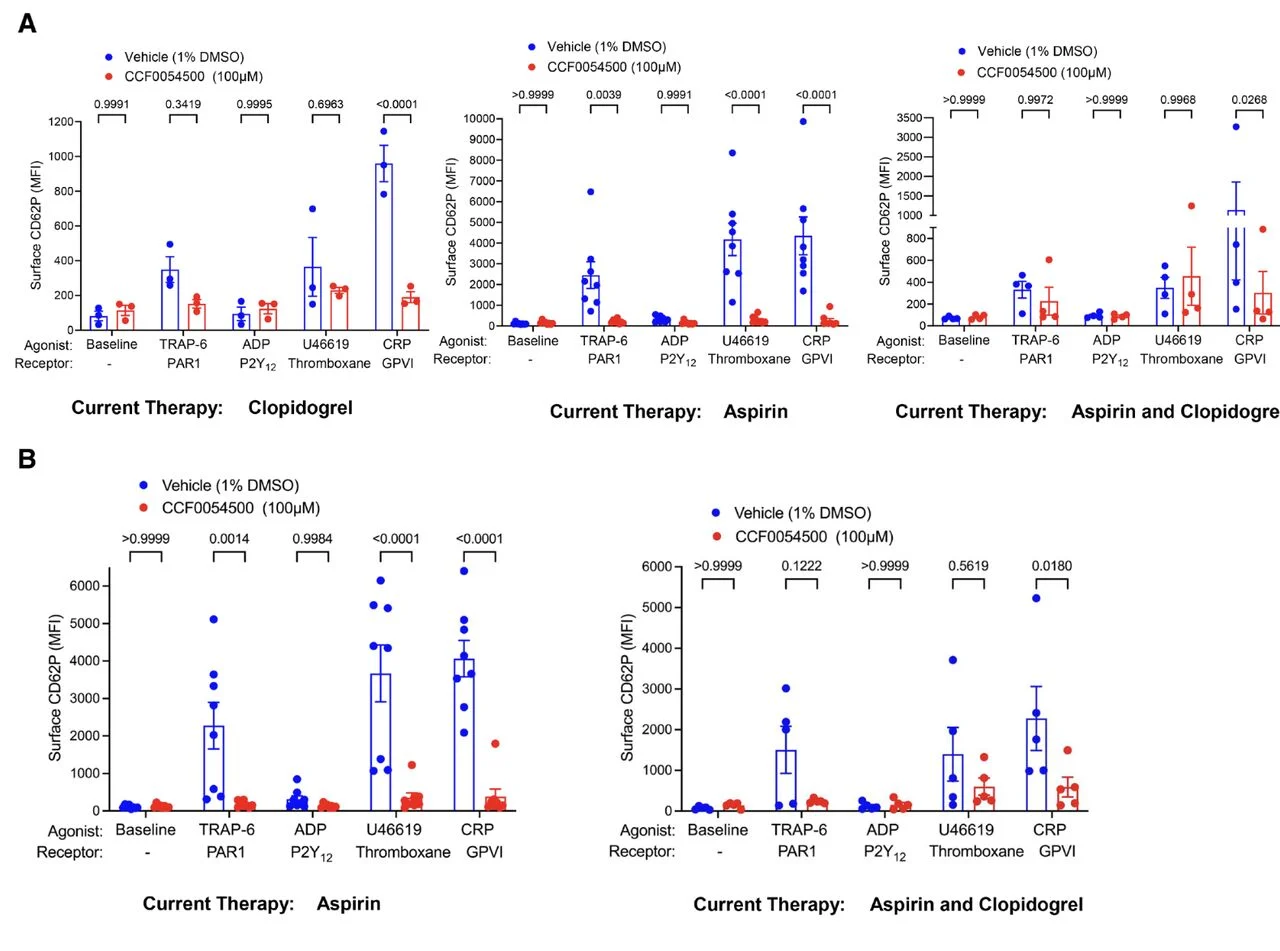
Lead by Anu Aggarwal with key contributions from Keith McCrae, Thomas Mcintyre, Justin Lathia, Anthony R. Sloan, Sarah (Schumacher), Naseer Sangwan Bass, Vara Prasad and Shaun Stauffer and his team at Cleveland Clinic, we show that OR2L13 signaling can reduce high residual platelet reactivity (an important clinical challenge in coronary artery disease and peripheral artery disease).
Supported by American Heart Association and NHLBI – Blood Research and Education.
We made it Open Access at greater than 5000 dollars cost so that anyone can read it to help them in their own research.
A few lessons reinforced along the way:
Listen to your patients: their insights often reveal the most important questions.
Patients will be your greatest teacher.
Collaborate generously: advancing science matters more than individual credit.
Yes, you might be able to do a technique but if your colleague is already doing it and you need help, just ask.
They’ll usually help you.
Stay persistent: meaningful discoveries take time and reproducibility.”
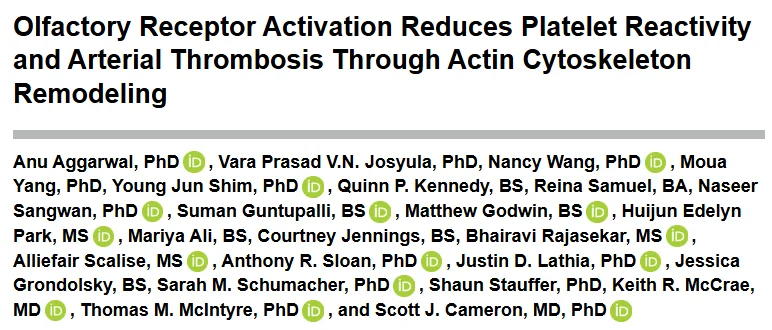
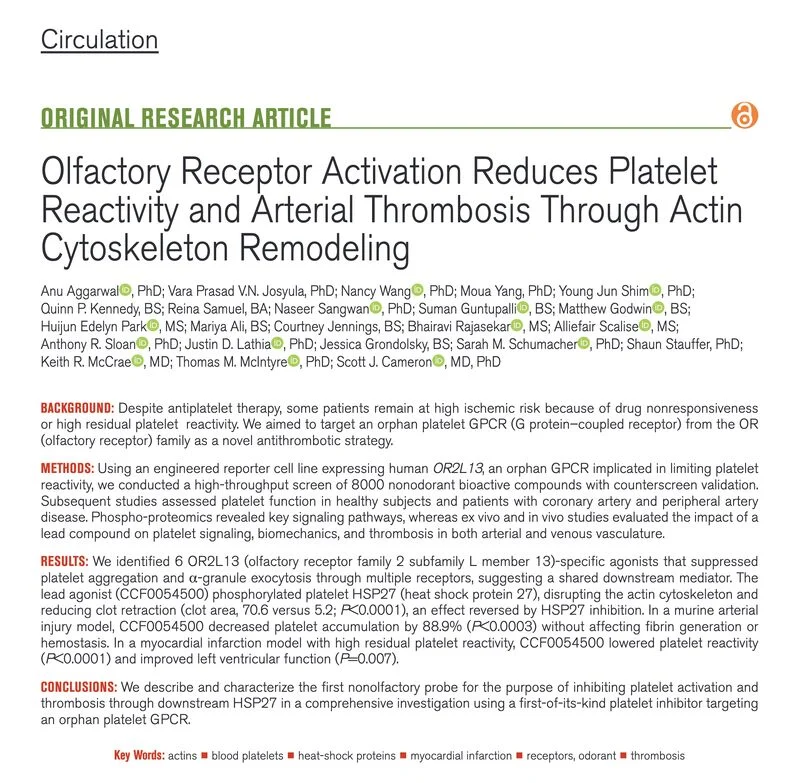
Title: Olfactory Receptor Activation Reduces Platelet Reactivity and Arterial Thrombosis Through Actin Cytoskeleton Remodeling
Authors: Anu Aggarwal, Vara Prasad V.N. Josyula, Nancy Wang, Moua Yang, Young Jun Shim, Quinn P. Kennedy, Reina Samuel, Naseer Sangwan, Suman Guntupalli, Matthew Godwin, Huijun Edelyn Park, Mariya Ali, Courtney Jennings, Bhairavi Rajasekar, Alliefair Scalise, Anthony R. Sloan, Justin D. Lathia, Jessica Grondolsky, Sarah M. Schumacher, Shaun Stauffer, Keith R. McCrae, Thomas M. McIntyre, Scott J. Cameron
Stay updated on all scientific advances with Hemostasis Today.
-
Sep 29, 2026, 03:53Nahrwan Masaoodi: Iron Deficiency Can Exist Without Anemia
-
Sep 29, 2026, 03:38Muhammad Yousaf: Iron Deficiency Beyond Diet
-
Sep 29, 2026, 03:21Parvez Ahmed Chowdhury: Synthesizing Aspirin in the Organic Chemistry Lab
-
Sep 29, 2026, 03:12Ahmed Hamandi: Building the Future of Hematopoietic Transplantation in Iraq
-
Sep 29, 2026, 03:09M V Chandrakanth: Aspirin in CRC – Old Drug, New Precision Oncology?
-
Sep 29, 2026, 03:07Caroline Pothet: Advancing Treatment Development in Sickle Cell Disease and Thalassaemia
-
Sep 29, 2026, 02:53Astha Jain: Thalassemia Care Through a Public Health Lens
-
Sep 29, 2026, 02:50Emma Groarke: Starting a New Career Path in Homeland
-
Sep 28, 2026, 19:14Aditya Sharma: An Outstanding Start to the Final Day of VSS 2026!