

Even Distribution of Protective Hemoglobin Prevents Sickle Cell Symptoms
Versiti Blood Research Institute posted on LinkedIn:
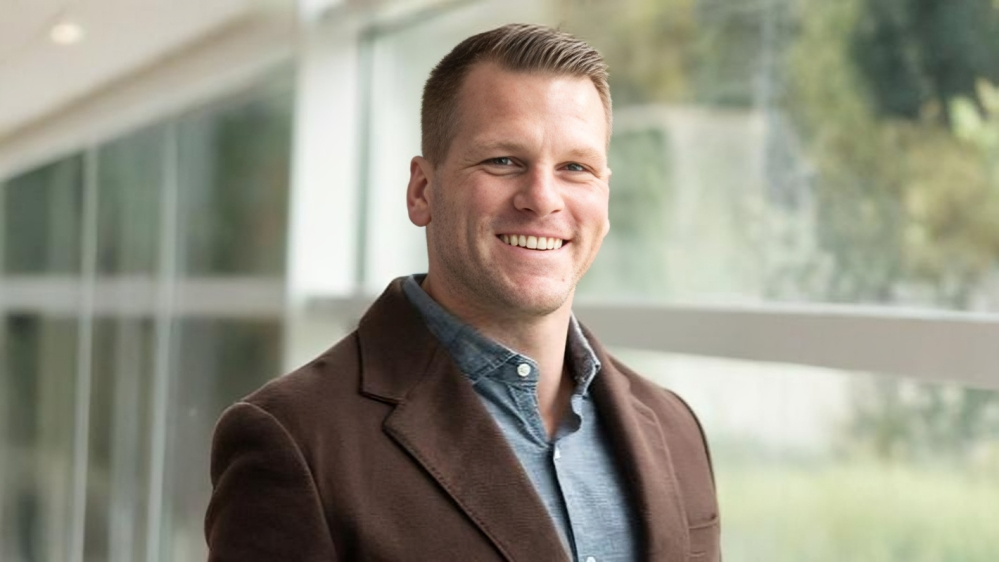
”New research from VBRI investigator Phillip Doerfler uncovers new insights into sickle cell disease protection: uniform expression of fetal hemoglobin matters as much as its quantity.
Doerfler and colleagues from St. Jude Children’s Research Hospital, Christian Medical College Vellore, and University of Minnesota used single-cell RNA sequencing to examine blood cells from patients with two genetic variations that increase fetal hemoglobin, a protein that prevents sickling.
Patients whose cells expressed fetal hemoglobin consistently had no sickle cell symptoms. Patients with dramatic variation (some cells carrying high levels, others with very little) suffered pain crises and acute chest syndrome despite similar average hemoglobin percentages.
The difference is immense. Traditional tests measure what percentage of cells express fetal hemoglobin, but cannot detect how much each cell produces. How can we know whether a patient is protected?
The discovery offers crucial guidance for gene therapy approaches that reactivate fetal hemoglobin. Consistency of expression across the cell population may predict clinical benefit better than average levels alone.
Read the article in Blood Journals Portfolio’s Blood.
Advances here.”
Title: Single-cell transcriptomics reveals heterocellular g-globin gene expression in Agdb-thalassemia
Authors: Phillip A Doerfler, Yichao Li, Yu Yao, Ruopeng Feng, Thiyagaraj Mayuranathan, Jingjing Zhang, Emilia Kooienga, David Cullins, Rohith Jesudas, Dillon C Williams, Jane S Hankins, Yong Cheng, David K Wood, Mitchell J. Weiss

Stay updated with Hemostasis Today.
-
Sep 21, 2026, 13:56Alex Knapp: Emerging Tech, Space Tow Trucks, and New Advances in Hemophilia Treatment
-
Sep 21, 2026, 13:51Abdalhakim Shubietah: pLAAO Fails Noninferiority to OAC in Landmark Meta-Analysis of 7 RCTs
-
Sep 21, 2026, 13:21In His Last UNGA, António Guterres Delivers a Urgent Call for Global Unity
-
Sep 21, 2026, 13:14Fatih Mehmet Gul: Are We Moving Faster Than Our Ability to Ask ‘Should We?’
-
Sep 21, 2026, 13:08Sangita Reddy: How Does Our Own Healthcare Journey in India Look Through the Same Lens?
-
Sep 21, 2026, 12:53Conan McIlwrath: Strengthening Haemophilia Care Through International Collaboration
-
Sep 21, 2026, 12:41Tinatin Muradashvili: Advancing Hemophilia Care Through Education and Collaboration
-
Sep 21, 2026, 12:15Kholoud Al Busaidi: Cold Agglutination and Its Impact on CBC and Blood Grouping Results
-
Sep 21, 2026, 11:03Shaurav Bhattacharyya: Honoring the 2026 Lasker Award Winners