


New Research: Hysterectomy Increases Stroke Risk by Up to 18 Percent
Dato Capt. Mahesan Subramaniam, Co-Founder of United Health Tourism, shared a post on LinkedIn:
”New research shows that removing the uterus – and especially both ovaries – can come with serious long-term health consequences.
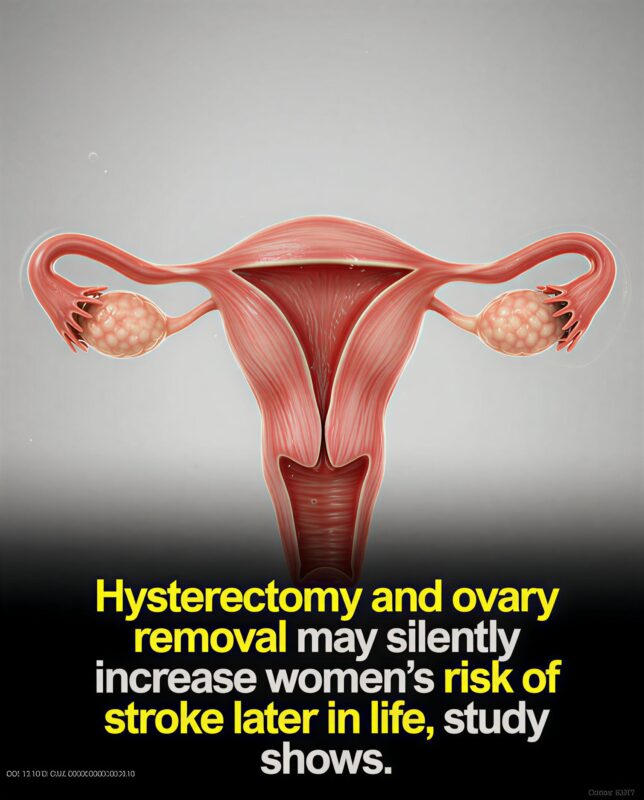
A large meta-analysis of over 2 million people found that women who undergo a hysterectomy have a 5 percent higher risk of stroke, while those who also have both ovaries removed face an 18 percent higher risk. The ovaries produce hormones that help regulate cardiovascular health, and their removal can trigger premature menopause, which may partially explain the increased stroke risk.
Hysterectomy and oophorectomy are common procedures in the US, often performed for conditions like fibroids, endometriosis, prolapse, or cancer.
Historically, removing both ovaries during hysterectomy was more common, but newer evidence suggests this practice carries significant risks for heart and brain health.
Studies show that age at surgery, hormone replacement therapy, and individual health factors influence stroke risk, meaning careful patient assessment is essential before surgery.
Research Paper here”
Title: Stroke risk in women with or without hysterectomy and/or bilateral oophorectomy: evidence from the NHANES 1999-2018 and meta-analysis
Authors: Chuan Shao, Chao Xu, Dewei Zou, Gang Zhang, Haotian Jiang, Cheng Zeng, Tao Tang, Hui Tang, Nan Wu
Stay updated with Hemostasis Today.
-
Oct 9, 2026, 13:48Maxime Dely: Raising Awareness for Blood Donation
-
Oct 9, 2026, 13:48Vera Ghali: Anemia in Myelofibrosis and Its Impact on Treatment Outcomes and Overall Survival
-
Oct 9, 2026, 13:32W David Freeman։ The Mechanical Penumbra in Intracerebral Hemorrhage and Its Potential for Tissue Recovery
-
Oct 9, 2026, 13:11Ayshathul Noora։ Carbetocin vs Oxytocin in Preventing Postpartum Hemorrhage
-
Oct 9, 2026, 13:07The Rebalanced Patient: New Therapies and New Thrombotic Risks in Hemophilia
-
Oct 9, 2026, 12:48Santiago Cepeda Chafla: CereBleed Simplifies Brain Hemorrhage Assessment
-
Oct 9, 2026, 12:34Abdul Muqtadir Abbasi: Pancytopenia Is a Finding, Not a Diagnosis
-
Oct 9, 2026, 12:24Mercy Lung’aho: When Diet Quality and Nutritional Biomarkers Tell Different Stories
-
Oct 9, 2026, 12:22Eugene Fan: Bridging Therapeutic Breakthroughs and Equitable Thalassaemia Care