

Wolfgang Miesbach: Protecting Liver Health in Bleeding Disorders
Wolfgang Miesbach, Professor of Medicine at Frankfurt University Hospital, shared a proud post on LinkedIn:
”World Hepatitis Day 2025 – Protecting Liver Health in Bleeding Disorders. Despite curative therapies for hepatitis B and C, people with congenital bleeding disorders (PWBD) remain at elevated risk for liver complications—including fibrosis, cirrhosis, and hepatocellular carcinoma (HCC). Landmark data show that even after viral eradication, factors such as metabolic dysfunction, obesity, diabetes, and alcohol drive ongoing liver injury.
New International Guidance (EAHAD, EHC, ISTH, WFH) by La Mura et al. provides a unified, evidence-based framework to proactively monitor, prevent, and manage liver complications in PWBD:
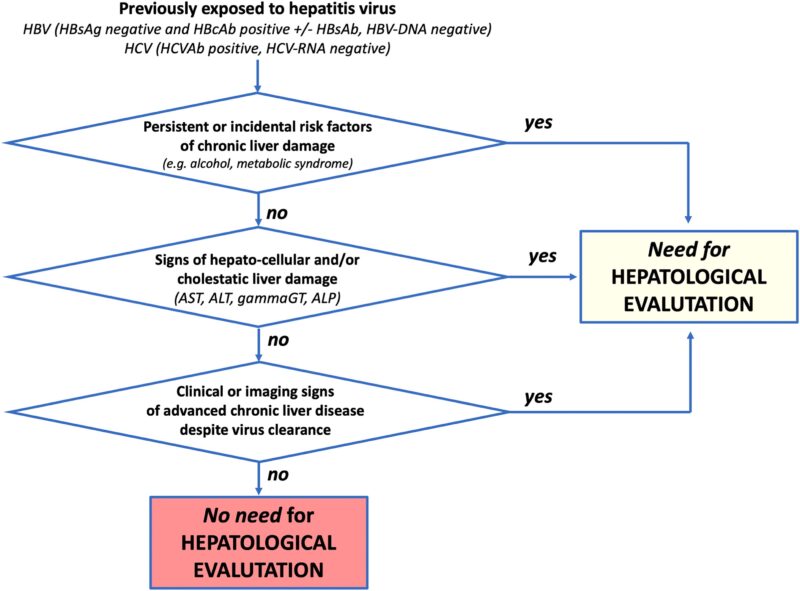
– Universal viral hepatitis screening for all PWBD exposed to blood derivatives, including assessment for occult HBV prior to immunosuppression/gene therapy
– Routine metabolic assessment (focus on MASLD and alcohol), as non-viral liver disease now rivals viral hepatitis in this population
– Non-invasive fibrosis stratification using FIB-4 and FibroScan, reducing need for biopsies and identifying patients at risk of progression
– HCC surveillance (liver ultrasound + AFP every 6 months) for those with advanced fibrosis or cirrhosis—even post-cure
– Gene therapy safety: Comprehensive liver evaluation is essential pre- and post-AAV gene therapy; advanced liver disease remains a contraindication”
Read the full article here.
Article: ”The management of liver disease in people with congenital bleeding disorders: guidance from European Association for Haemophilia and Allied Disorders, European Haemophilia Consortium, ISTH, and World Federation of Hemophilia”
Journal: JTH (Journal of Thrombosis and Haemostasis)
Authors: Vincenzo La Mura, Massimo Colombo, Graham R. Foster, Paolo Angeli, Wolfgang Miesbach, Robert Klamroth, Glenn F. Pierce, Brian O’Mahony, Ming Y. Lim, Virginia Hernandez-Gea, Michael Makris, Flora Peyvandi
Stay updated on the latest scientific advancements in the field of bleeding disorders with Hemostasis Today.
-
Oct 4, 2026, 13:35Sumyea Kabir: Optimizing Plasma Selection for Therapeutic Plasma Exchange in TTP
-
Oct 4, 2026, 13:31Swati Raikwar: Microplastics as a Threat to Cerebral Blood Flow
-
Oct 4, 2026, 13:18Maria Elisa Mancuso: EHC 2026 Opens with Focus on Haemophilia Care, Access and Rare Disorders
-
Oct 4, 2026, 13:16Anita Brikman: Inside the Plasma Donation Journey
-
Oct 4, 2026, 13:13Overcoming FVIII Inhibitors With Efanesoctocog Alfa – JTH
-
Oct 4, 2026, 13:04World Federation of Hemophilia Invites Global Community to GPAS 2026
-
Oct 4, 2026, 12:57Tooth Extraction in Patients with Haemophilia – RPTH Journal
-
Oct 4, 2026, 12:36Maia Meier: Advancing Hemophilia Care in Nepal – Project Elevate Her Visits Civil Service Hospital
-
Oct 4, 2026, 12:30Shailaja Kota Amplifies World Inherited Blood Disorders Month and Global Action Network’s Call to Action