

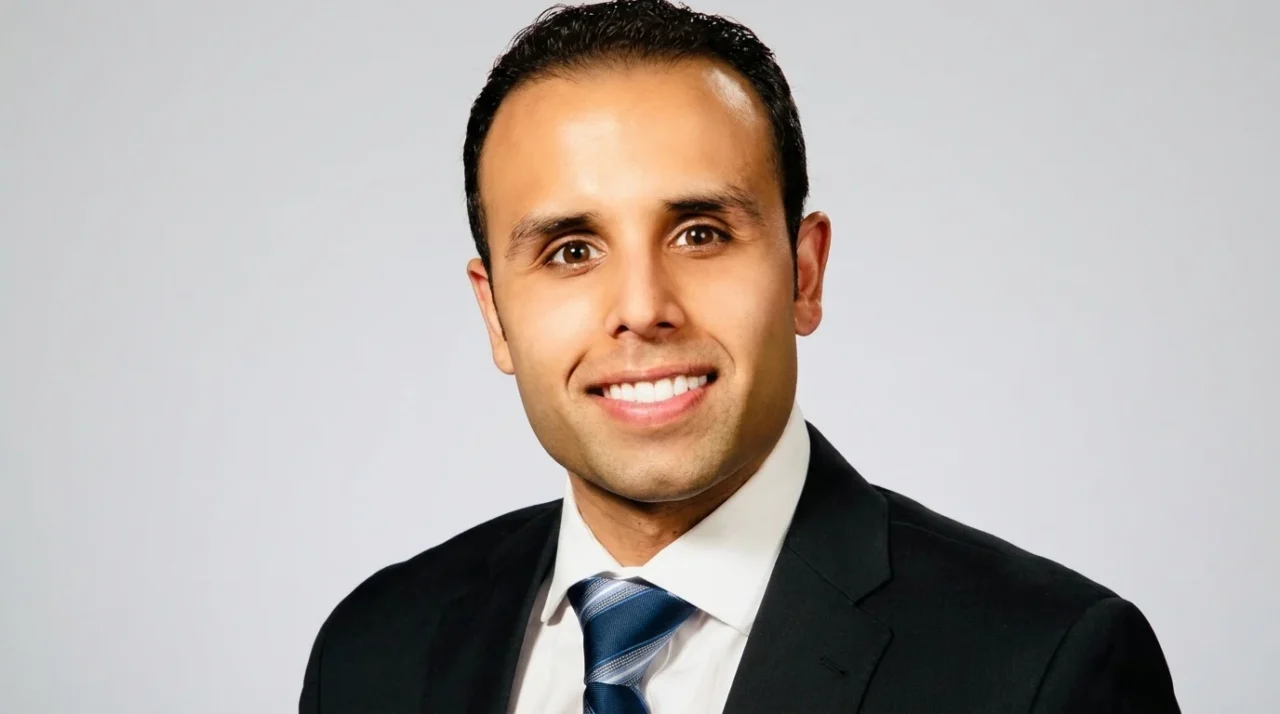
Shailendra Singh: Two Different Pulmonary Embolism Cases, One Critically Important Lesson
Shailendra Singh, Co-Director of Interventional Vascular Cardiology, Co-Chair of Acute Coronary Syndrome, Associate Director of Interventional Cardiology and Cardiac Catheterization Laboratories at Lehigh Valley Health Network, shared a post on LinkedIn:
“Not every pulmonary embolism requires an intervention. But every pulmonary embolism deserves timely recognition and appropriate risk stratification.
Jalen Hurts is 28, at the peak of his athletic career, and out for the season with deep vein thrombosis (DVT) and bilateral pulmonary emboli (PE). Venous thromboembolism (VTE) can affect anyone. Fortunately, the Eagles have reported that Jalen is clinically stable, with an excellent prognosis, and is being treated with anticoagulation.
As an interventional cardiologist who treats patients with pulmonary embolism, I think this is an important opportunity to raise awareness about a condition that can range from relatively stable to immediately life-threatening. For most patients, anticoagulation remains the cornerstone of treatment.
However, when a pulmonary embolism causes significant right ventricular strain, hemodynamic compromise, or clinical deterioration, advanced therapies, including catheter-based mechanical thrombectomy, may be lifesaving.
This brings me to a patient story our team at Lehigh Valley Health Network, part of Jefferson Health, recently had the privilege of sharing.
Rick, a retired respiratory therapist, presented to LVH–Macungie with profound shortness of breath. Imaging revealed a large saddle pulmonary embolism with extensive bilateral clot burden, significant right heart strain, and concerning hemodynamic findings.
Thanks to rapid recognition by our emergency department colleagues and seamless coordination across our health system, Rick was urgently transferred to LVH–Cedar Crest, where our team performed catheter-based mechanical thrombectomy.
The results were remarkable. His oxygenation improved dramatically, his right ventricular function normalized, and today he’s back to doing what he loves: gardening, traveling with his wife, and playing golf every week.
Two very different patients. Two very different clinical presentations.
One critically important lesson: early recognition saves lives. Wishing Jalen Hurts a complete and speedy recovery. As both a physician and an Eagles fan, I’m rooting for him.
I’m also incredibly grateful to our outstanding emergency medicine, critical care, and cardiovascular teams whose collaboration made Rick’s recovery possible. And most importantly, thank you to Rick for allowing us to share his journey in the hope that it may help others recognize the warning signs.
The right diagnosis, the right treatment, at the right time can make all the difference.”
Stay updated with Hemostasis Today.
-
Oct 22, 2026, 14:14Caitlin Raymond: Estimating Infection Rates After Therapeutic Plasma Exchange in a Large Real-World Population
-
Oct 22, 2026, 14:11Lesley Van Wyk: The Bombay Blood Group Explained
-
Oct 22, 2026, 14:10Mandy Moore’s Pregnancy Journey With Immune Thrombocytopenia
-
Oct 22, 2026, 14:07Xavier Griffin: Celebrating NIHR-Funded Trials and Exploring How to Do Research Better
-
Oct 22, 2026, 13:46Claire van Teunenbroek: Recruiting and Retaining Young Blood Donors Through Better Coordination
-
Oct 22, 2026, 11:03Frailty and Healthy Aging in People With Hemophilia – JTH
-
Oct 22, 2026, 10:53Divyaswathi Citla-Sridhar: Immune Risks Following Gene Therapy for Hemophilia A
-
Oct 22, 2026, 10:01Matthew Hazell: AABB 2026 – Beyond the Antibody Screen in Complex Immunohematology Reference Testing
-
Oct 22, 2026, 09:54Dr. Geoffrey Barnes Highlights Blood Clot Risks Following NFL Star Jalen Hurts’ Diagnosis – ISTH