


Samwel Mikaye: Polycythemia and the Risk of Blood Clots
Samwel Mikaye, Chief Executive Officer at Samik Medical Center, shared in the Laboratory Professionals International group on LinkedIn:
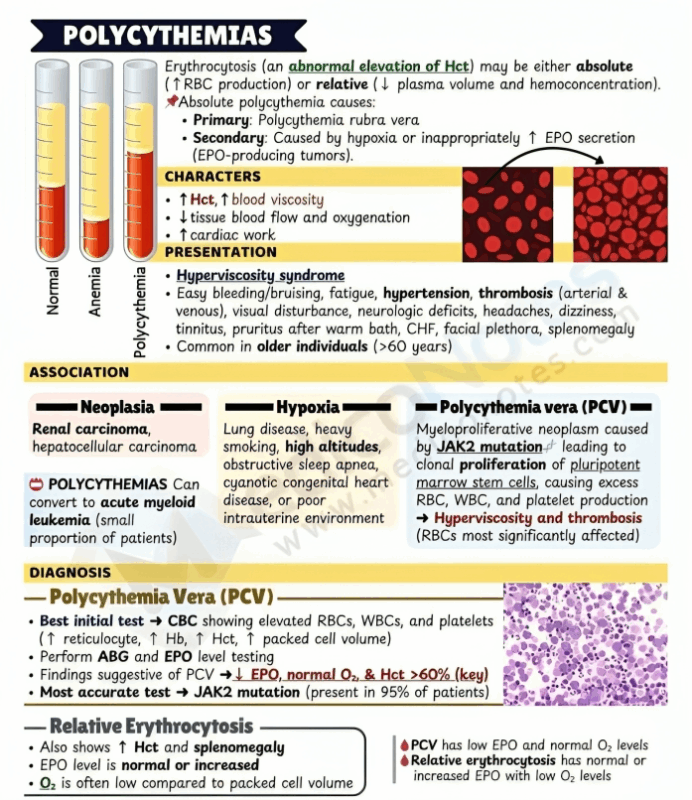
“Polycythemia is a blood disorder characterized by an abnormally high number of red blood cells (RBCs) in the bloodstream. This increases blood viscosity (thickness), which can slow blood flow and raise the risk of blood clots, stroke, or heart attack.
Types of Polycythemia
Primary Polycythemia (Polycythemia Vera)
- A bone marrow disorder caused by genetic mutations (commonly JAK2 mutation).
- The bone marrow produces too many RBCs, and sometimes excess white blood cells and platelets.
- It is considered a myeloproliferative neoplasm (blood cancer).
Secondary Polycythemia
Occurs due to increased erythropoietin (EPO) production in response to:
- Chronic hypoxia (low oxygen levels):
- COPD, chronic lung disease
- Living at high altitudes
- Obstructive sleep apnea
- Congenital heart disease
- EPO-secreting tumors:
- Renal cell carcinoma
- Hepatocellular carcinoma
- Uterine or adrenal tumors
- Smoking and carbon monoxide exposure.
Relative Polycythemia
- Caused by reduced plasma volume, not true increase in RBCs.
- Seen in:
- Dehydration
- Burn
- Severe vomiting or diarrhea
- “Gaisböck syndrome” (stress polycythemia in middle-aged men)
Signs and Symptoms
- Headache
- Dizziness
- Blurred vision
- Red or flushed skin (especially face)
- Itching after a hot shower/bath (aquagenic pruritus)
- Fatigue or weakness
- Tingling or burning in hands and feet
- Enlarged spleen
- High blood pressure
- Blood clots (DVT, stroke)
Complications
- Thrombosis (stroke, MI, DVT, PE)
- Hemorrhage
- Gout (due to high uric acid)
- Splenomegaly
- Progression to myelofibrosis or acute leukemia (in primary polycythemia)
Diagnosis
- CBC: Elevated hemoglobin, hematocrit, RBC count
- EPO level: Low in primary, high in secondary
- JAK2 mutation test
- Bone marrow biopsy
- Oxygen saturation
- Renal and liver imaging (if secondary cause suspected)
Management
Primary Polycythemia (Polycythemia Vera)
- Phlebotomy (remove blood to reduce RBC count)
- Aspirin (low dose) to prevent clots
- Hydroxyurea (if high risk or older patient)
- Ruxolitinib (JAK2 inhibitor in resistant cases)
- Manage itching and uric acid levels
Secondary Polycythemia
- Treat underlying cause:
- Oxygen therapy
- Stop smoking
- Manage lung/heart disease
- Remove tumors
Relative Polycythemia
- Rehydrate
- Treat cause of fluid loss
Key Takeaway:
Polycythemia increases blood thickness and clot risk. Early diagnosis and proper management greatly reduce complications.”
Stay updated with Hemostasis Today.
-
Oct 16, 2026, 16:01Obi Light Ogbonnia: The Greatest Reward Is Changing Lives, Not Winning Awards
-
Oct 16, 2026, 15:18Carmine Liberatore: Limited Accuracy of VTE Risk Scores in Multiple Myeloma
-
Oct 16, 2026, 14:55Alex Borstein and the Bleeding Phenotype of Hemophilia A Carriers
-
Oct 16, 2026, 13:59Aya Akmal Amin: Antiphospholipid Syndrome Management and Risk Stratification
-
Oct 16, 2026, 13:10Emanuel Sueldo: CAHT 2026 Celebrates Scientific Progress and Team Achievements
-
Oct 16, 2026, 13:05Maha Othman: Queen’s Health Sciences Advances CAT Risk Models and Pediatric ISTH-BAT Cut-Offs
-
Oct 16, 2026, 13:03Thrombosis Awareness Must Lead to Timely Action – Roche
-
Oct 16, 2026, 12:49Wolfgang Miesbach: 5-Year CBDR Data Confirms Emicizumab Safety and Efficacy in Hemophilia A
-
Oct 16, 2026, 12:40Edward Lee Carter: How Factor XI Inhibition Could Transform Anticoagulation Therapy