


Dr. Rawnak Sharif: Managing Proximal Lower-Limb DVT or PE is No Longer Just About Choosing an Anticoagulant
Dr. Rawnak Sharif, Resident Medical Officer at Apollo Imperial Hospital, posted on LinkedIn:
“Modern, Evidence-Based Management of DVT: A Practical 2025 Guide
Here’s the thing. Managing proximal lower-limb DVT or PE is no longer just about choosing an anticoagulant. The real work is deciding how long to treat and who needs lifelong protection. The latest ASH, ESC, NICE, CHEST, and ISTH updates all point in the same direction: simplify the pathway and individualize duration.
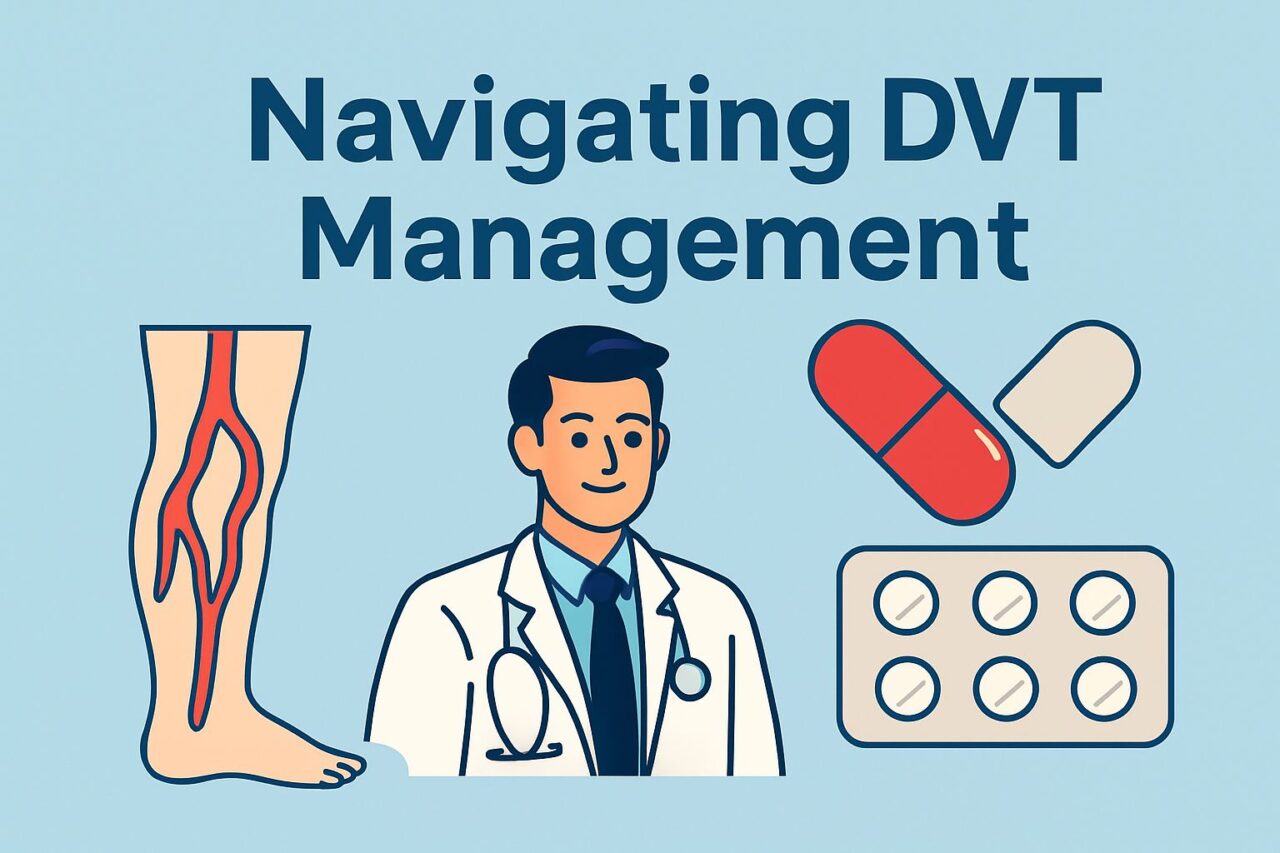
1. First Line Therapy (First 3 Months)
All confirmed proximal DVT or PE requires at least three months of therapeutic anticoagulation.
Preferred options remain DOACs:
Apixaban 10 mg BID for 7 days, then 5 mg BID
Rivaroxaban 15 mg BID for 21 days, then 20 mg daily
Dabigatran 150 mg BID (after 5–10 days of heparin)
Edoxaban 60 mg daily (after heparin lead-in)
Warfarin only if DOACs are unsuitable.
Evidence across guidelines consistently supports DOACs for superior safety and convenience.
2. After 3 Months: The Key Decision
This is where outcomes diverge.
Provoked DVT (clear temporary risk factor)
Surgery, trauma, immobility, long-haul travel, estrogen therapy.
Stop at 3 months. No D-dimer. Recurrence is very low.
Unprovoked DVT or PE
Recurrence risk is high. Extended therapy is recommended unless bleeding risk is prohibitive.
You can stay on full-dose DOAC or switch to reduced-dose long-term prophylaxis.
A D-dimer 4–6 weeks after stopping helps refine risk:
Normal → observation reasonable.
Elevated → restart anticoagulation.
Persistent Risk Factors
Cancer, major thrombophilia, chronic inflammatory disease, recurrent events.
These patients need indefinite therapy. D-dimer does not guide decisions here.
3. Extended-Phase Anticoagulation (After 3–6 Months)
Reduced-dose DOACs have become the standard for ongoing protection:
Apixaban 2.5 mg BID
Rivaroxaban 10 mg daily
These doses maintain 80–90% recurrence reduction with minimal bleeding risk.
4. D-Dimer: When to Use It and When to Avoid It
Use only in unprovoked cases and only after stopping treatment for 4–6 weeks.
Avoid during acute illness, pregnancy, postpartum, cancer, or while on anticoagulation—results will mislead you.
What this really means is that modern DVT care is simpler than it looks. Assess the trigger, weigh the long-term risk, and use DOACs thoughtfully. Once you internalize those steps, the rest falls into place.
References (Short)
ASH VTE Guidelines 2018/2020
ESC Pulmonary Embolism Guidelines 2019
NICE VTE NG158 (2023 updates)
CHEST VTE Antithrombotic Therapy 2021/2024
ISTH Scientific and practice guidance (2019–2024)”
Stay informed with Hemostasis Today.
-
Sep 23, 2026, 13:58The New B12 Diagnostic Algorithm: From Serum Cobalamin to Functional Deficiency
-
Sep 23, 2026, 13:56Noha Soror: Preparing for Hematology and Medical Oncology Board Certification
-
Sep 23, 2026, 13:46Ugochi Ogu: What Can Platelet Proteomics Reveal about Pain and Neurocognitive Vulnerability in Sickle Cell Disease?
-
Sep 23, 2026, 13:42Melissa Hollo: Connecting Obesity and Anemia for Earlier Maternal Risk Intervention
-
Sep 23, 2026, 13:16Beverley Hunt: Advances in Haemostatic Management of Postpartum Haemorrhage
-
Sep 23, 2026, 13:13Ioanna Mela: Recruiting a Research Associate on DNA nanotechnology
-
Sep 23, 2026, 13:04Ben Samelson-Jones: Do Gene Variants Drive PK Differences in FIX-Fusion and N9-GP Therapies?
-
Sep 23, 2026, 12:57Shelly Reed: Advocating for HTCs and CDC Funding with the Hemophilia Federation of America
-
Sep 23, 2026, 12:51Domenico Girelli: How Verona Hospital Transformed ED Anemia Care with Patient Blood Management