

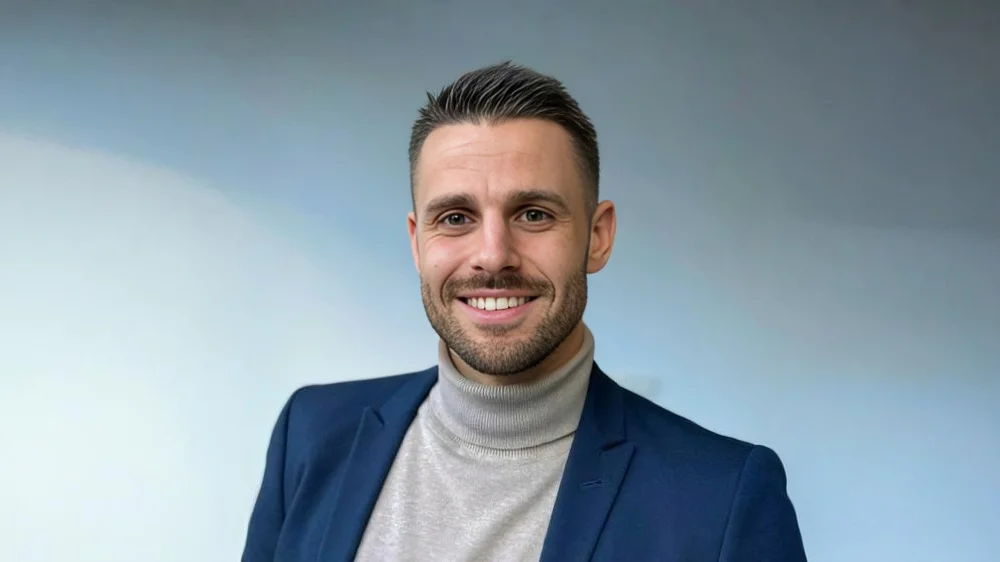
Maxime Dely Suggested New Algorithm to Choose Blood Donor
Maxime Dely, Sales and Application Specialist in Therapeutic Apheresis and Cell Therapy, shared a post on LinkedIn:
“What if blood transfusion was… Tinder?
Today, algorithms shape almost everything: the music we listen to, the routes we take… and even the people we meet.
So why not push the analogy all the way to blood transfusion?
Just like on Tinder, everything starts with a matchmaking process: on one side a donor, on the other a patient. The goal? Finding the perfect match.
And in both cases… you’d rather avoid a bad date.
Except in medicine, the algorithm is far more demanding:
ABO blood group typing,
Rh factor,
Crossmatching,
Antibody screening,
Verification of immunological compatibility…
A scientific “swipe” ensuring no immune reaction ruins the meeting between these two profiles.
When everything aligns, we get the key moment:
It’s a match!
No pink animation, but a compatibility that can stabilize, treat, or save a life.
In the end, Tinder or transfusion—it’s the same logic:
- Find the right connection,
- Avoid incompatibilities,
- Make sure the match actually works.
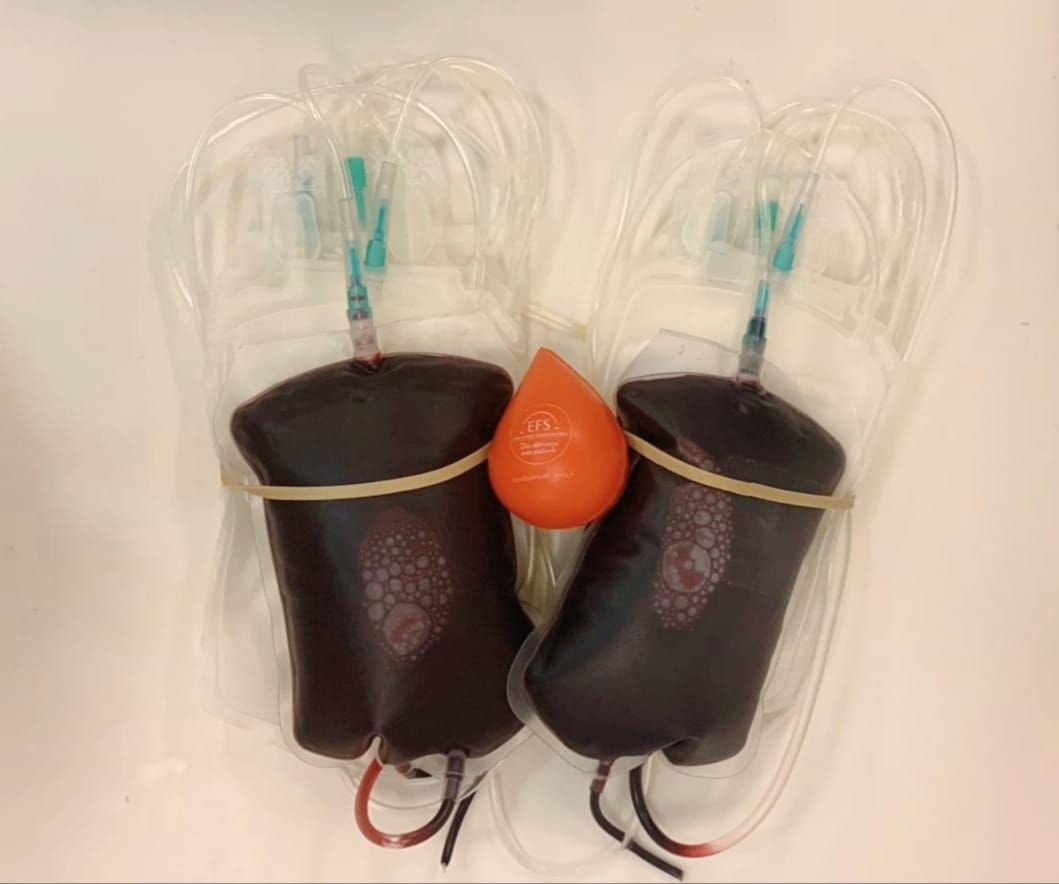
And maybe the most meaningful match of all… is the one created when you donate blood.”
Never miss an update from Hemostasis Today.
-
Sep 10, 2026, 11:56William Pao: Celebrating a Landmark Breakthrough in Hemophilia Care
-
Sep 10, 2026, 11:25Andreas Glenthøj: New Sickle Cell Trait Data in UpToDate
-
Sep 10, 2026, 10:53A New Era of Hemophilia Screening and Diagnosis in Women and Girls – ISTH
-
Sep 10, 2026, 10:03Investing in Youth, Transforming Hemophilia Care – WFH
-
Sep 10, 2026, 09:51Ronke Oke BEM: 20 Years of Newborn Sickle Cell Screening in England
-
Sep 10, 2026, 09:41Seunghwan Song: Hemlibra and the Science That Changed Hemophilia A Care
-
Sep 10, 2026, 09:20Mark Dawson: A Radical Rethink of Hemophilia Treatment
-
Sep 10, 2026, 07:26Carly Newton: Every Donation Helps Save Lives
-
Sep 10, 2026, 07:152023 ACR/EULAR APS Classification Criteria – APS Foundation of America