

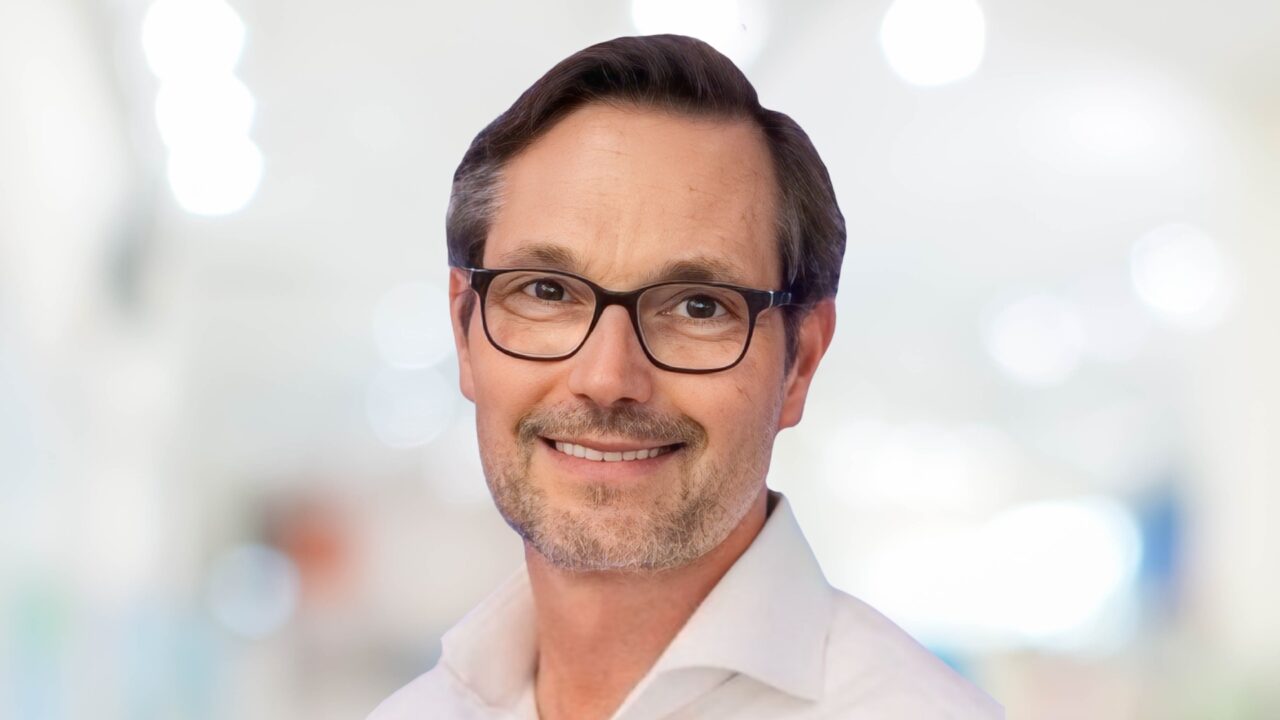
Thomas Reiser: Final Day as Executive Director – Closing a Remarkable Chapter at ISTH
Thomas Reiser, Executive Director at the International Society on Thrombosis and Haemostasis, shared a post on LinkedIn:
“Today is my final day as Executive Director at the International Society on Thrombosis and Haemostasis (ISTH).
I close this remarkable 14+ year chapter with immense gratitude for the trust placed in me, for the privilege of serving a mission and organization I believe so deeply in, and for the many extraordinary people who made this journey meaningful every step of the way.
To the ISTH team, Council, volunteers, members, partners, and the hashtag#thrombosis and hashtag#hemostasis community around the world: Thank you for allowing me to be part of this amazing community, the collaboration, dedication, and the friendships that will stay with me long after today.
I leave with great pride for all we have been able to accomplish together.
At the same time, I look forward to continuing to create impact, wherever the next chapter may lead me.
With heartfelt thanks and deep appreciation.”
Find more posts featuring Thomas Reiser on Hemostasis Today.
-
Oct 10, 2026, 17:58Archo Farzana Batool: Exploring Medical Writing Through an Article on Iron Deficiency Anemia
-
Oct 10, 2026, 17:53Assessing Frailty in Adults With Hemophilia – JTH
-
Oct 10, 2026, 17:52Fatma Sadeghi: Reducing Maternal Health Inequalities Through Nursing Advocacy
-
Oct 10, 2026, 17:50Grzegorz Hensler: How Apheresis Transformed Blood Cell Separation and Collection
-
Oct 10, 2026, 17:47Hemant K Sharma: Japan’s Universal Artificial Blood Research – A Potential Breakthrough in Transfusion Medicine
-
Oct 10, 2026, 17:40John Strouse: Learning About Bleeding Disorders and Sickle Cell Disease at FWGBD
-
Oct 10, 2026, 17:34Mae Caime: Speaking at the Annual Women’s Retreat for the Hemophilia Community in Florida
-
Oct 10, 2026, 17:30Chokri Ben Lamine: PNH beyond the Textbook Triad
-
Oct 10, 2026, 17:29Ruah Alyamany: Thrombosis and Anticoagulation in Hematological Malignancies at SOHO KSA 2026